
Politics
धरना-प्रदर्शनों का नया कारोबार: लोकतंत्र की आड़ में आखिर किसके हित साधे जा रहे हैं?
October 10, 2026
1,612 views
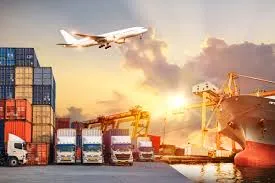
India's economic landscape is currently facing a significant transformation as the country's reliance on Gulf nations intensifies. This shift comes at a time when geopolitical tensions and conflicts in the region pose substantial risks to India's export economy. With a growing dependence on Gulf markets for both trade and investment, the potential for disruptions in these relationships could have far-reaching implications for Indian exporters and the overall economy.
The Gulf Cooperation Council (GCC) countries, which include Saudi Arabia, the UAE, Qatar, Kuwait, Oman, and Bahrain, have become vital partners for India. This is due in part to the enormous remittances sent back home by Indian workers in these nations, which contribute significantly to India's foreign exchange reserves. In addition, the Gulf region is a major market for Indian goods, including textiles, pharmaceuticals, and agricultural products.
As the economic interdependence deepens, the risk of external conflicts affecting trade increases. For instance, any escalation in tensions between Gulf countries and other nations could lead to trade sanctions or disruptions in logistics, which would directly impact India's export figures. The ongoing conflicts in the region, particularly in areas like Yemen and Syria, are already showing signs of influencing trade policies and relationships.
Several sectors are particularly vulnerable to changes in the Gulf market dynamics. The textile industry, which relies heavily on exports to the UAE and Saudi Arabia, could face severe challenges if political instability arises. While Indian textiles are renowned for their quality, any disruption in trade routes or increased tariffs could lead to significant financial losses for manufacturers.
Similarly, the pharmaceutical sector, which has seen substantial growth due to the high demand for generic medicines in the Gulf region, may suffer from increased scrutiny or regulatory changes. Additionally, the agricultural sector, which exports key commodities like basmati rice and spices, is at risk if geopolitical tensions lead to restrictions on imports from India. The reliance on a single region for such a large volume of exports creates a precarious situation for these industries.
In light of these risks, experts are advocating for a strategy of diversification. By broadening the export base and seeking new markets outside the Gulf region, India can mitigate the impact of potential conflicts. Countries in Southeast Asia, Africa, and even Latin America present untapped opportunities for Indian exporters.
The Indian government and trade bodies are encouraged to enhance their diplomatic ties with these regions to facilitate smoother trade agreements and create a more resilient export strategy. Initiatives like the Make in India campaign have already started to promote domestic manufacturing, which could further reduce dependency on foreign markets for certain goods.
Furthermore, building strategic partnerships with countries that are not directly involved in Gulf conflicts can provide additional avenues for trade. For instance, India could strengthen its ties with nations such as South Africa, Brazil, and Vietnam, which could serve as alternative markets for Indian goods. Additionally, engaging with regional trade agreements like the Regional Comprehensive Economic Partnership (RCEP) could enhance India’s standing in the international trading community.
In parallel, enhancing domestic production capabilities is crucial. By investing in infrastructure and technology, India can boost its manufacturing sectors, making them more competitive globally. This not only serves to protect against external shocks but also creates jobs and stimulates economic growth within the country.
The rise in reliance on Gulf nations for India's exports undoubtedly comes with its own set of challenges. While the Gulf markets present lucrative opportunities, the potential risks posed by ongoing conflicts in the region cannot be ignored. It is imperative for India to adopt a proactive approach that includes diversification, strategic partnerships, and strengthening domestic industries. By doing so, India can navigate these turbulent waters and ensure sustainable growth for its export economy.


Loading more news...
You've reached the end of our news feed. Check back later for more updates!