Politics
धरना-प्रदर्शनों का नया कारोबार: लोकतंत्र की आड़ में आखिर किसके हित साधे जा रहे हैं?
October 10, 2026
1,612 views

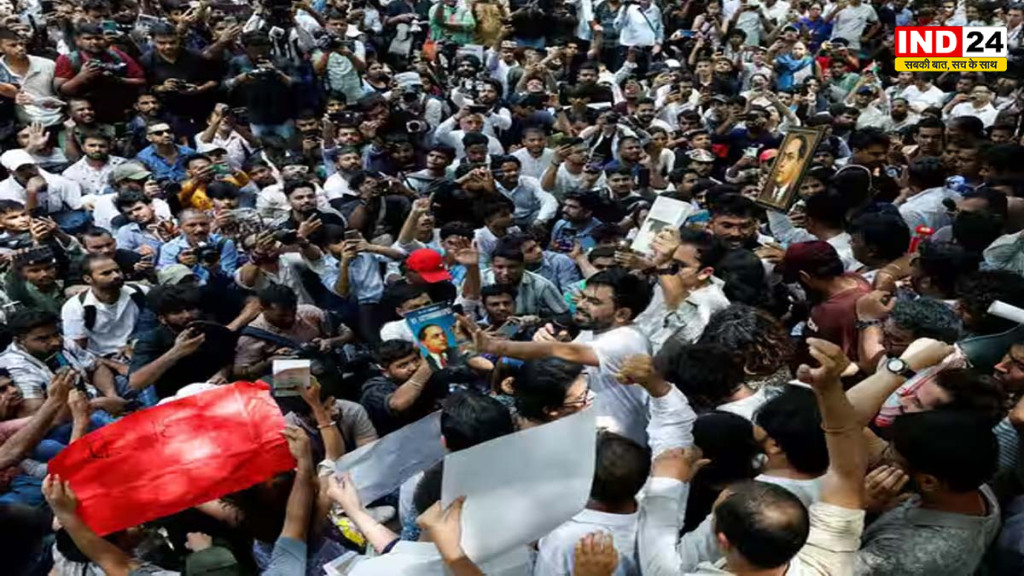
In a fervent display of political dissent, Congress leader Rahul Gandhi has labeled Prime Minister Narendra Modi as the "most anti-youth PM" in India's history. This statement comes amid increasing tensions between the government and youth protesters across the nation. The opposition has rallied together to condemn the government's heavy-handed approach to recent demonstrations, which have seen thousands of young people express their discontent over various issues, including unemployment, rising costs of education, and lack of adequate job opportunities.
The protests that have ignited this political firestorm began several weeks ago, primarily among students and young professionals. Many have taken to the streets, demanding a more robust response from the government regarding job creation and educational reforms. As these protests escalated, reports emerged of police crackdowns, with many demonstrators facing arrests and even violence. The opposition has seized upon these incidents as evidence of the government's failure to listen to the voices of its youth.
In recent speeches, Gandhi has pointed to the government's tactics as a clear indication of its disregard for the younger generation. "The Modi government has consistently ignored the aspirations and voices of the youth," he stated during a protest rally in New Delhi. "Instead of addressing the pressing issues that are driving our young people to the streets, they choose to silence them through intimidation and force." His comments have resonated with many young voters, who feel increasingly alienated from a government that appears unresponsive to their challenges.
The opposition parties have banded together in a rare show of unity, with leaders from various factions joining forces to support the student-led protests. Political analysts have noted that this collaboration could pose a significant challenge to the ruling party in upcoming elections, as youth turnout has historically played a pivotal role in shaping electoral outcomes. Leaders from the Trinamool Congress, Aam Aadmi Party, and other regional parties have voiced their support, emphasizing the need for the government to engage in constructive dialogue with the youth rather than resorting to force.
In response to the escalating unrest, the government has maintained that it is committed to addressing the concerns of the youth but insists that law and order must be upheld. Home Minister Amit Shah has defended the police actions, stating that while the government supports peaceful protests, it cannot allow violence and disruption. Critics, however, argue that this stance only further alienates young people who are seeking a platform to voice their grievances.
Social media has played a crucial role in mobilizing young protesters, with platforms like Twitter and Instagram becoming vital tools for organizing demonstrations and sharing information. The hashtag ModiIsAntiYouth has trended nationally, drawing attention to the perceived disconnect between the government and the younger demographic. Many users have shared personal stories of unemployment and disillusionment, further fueling the movement. This digital activism has posed new challenges for the government, which is often criticized for its attempts to control online discourse.
As the situation continues to unfold, the opposition is preparing to leverage the youth's discontent in the lead-up to the next general elections. Rahul Gandhi has called for a "youth renaissance," urging young Indians to reclaim their power and demand accountability from their leaders. "It is time for the youth of India to stand up and say enough is enough. We deserve a government that listens, a government that acts," he declared passionately. The coming weeks will be critical in determining whether this movement will translate into a significant political shift or remain a fleeting moment of dissent.
In conclusion, the ongoing protests and the opposition's response highlight a significant moment in Indian politics. With youth dissatisfaction at an all-time high, the government's approach could have long-lasting implications for its relationship with one of the country's most vital demographics. As young people continue to assert their voices, the future of India's political landscape remains uncertain, yet undeniably charged with potential.

Loading more news...
You've reached the end of our news feed. Check back later for more updates!