
Politics
धरना-प्रदर्शनों का नया कारोबार: लोकतंत्र की आड़ में आखिर किसके हित साधे जा रहे हैं?
October 10, 2026
1,612 views
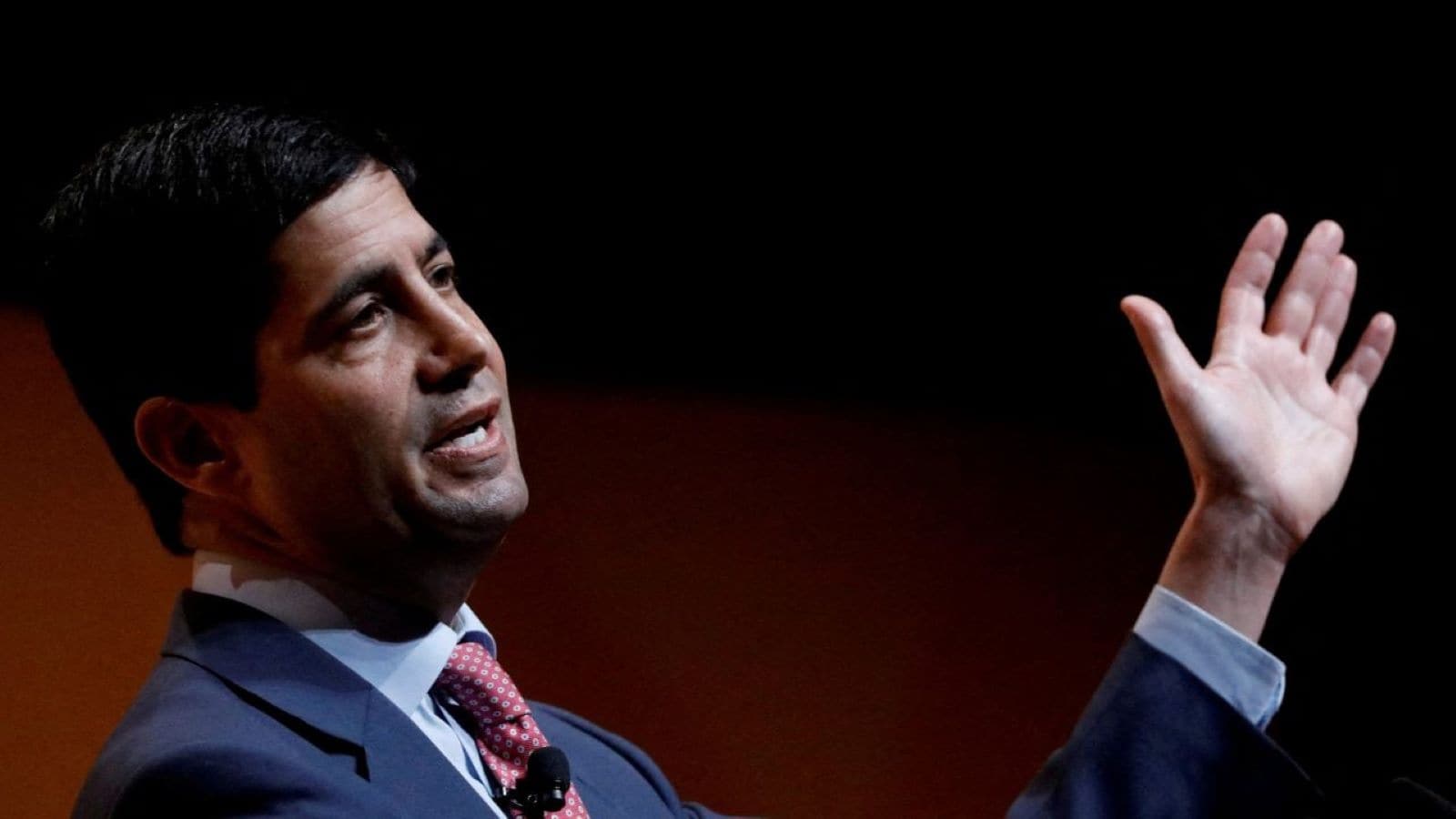
In a significant move that could shape the future of U.S. monetary policy, Federal Reserve chair nominee Kevin Warsh addressed the Senate Banking Committee, asserting his commitment to independence from political influence. Warsh's declaration that he would not serve as Donald Trump’s “sock puppet” came amidst growing concerns over the intertwining of politics and economic policy in the current administration. His statements are critical at a time when the credibility of the Federal Reserve is under intense scrutiny, and the implications of its decisions are being felt across the economy.
During the Senate hearing, Warsh emphasized the importance of maintaining the Federal Reserve's autonomy from political pressures. "I am committed to making decisions based solely on what I believe is best for the economy, not what is politically expedient," he stated. This assertion is particularly relevant given the historical context of the Fed's operations, which have often been challenged by political figures seeking to influence monetary policy for immediate electoral gains. Warsh’s stance aims to reassure lawmakers and the public alike that he will prioritize the long-term economic health of the nation over short-term political interests.
The Federal Reserve plays a crucial role in the U.S. economy, primarily through its ability to set interest rates and regulate the money supply. Warsh’s nomination comes at a time when the Fed is grappling with rising inflation rates and the repercussions of the COVID-19 pandemic on economic stability. With inflation hitting levels not seen in decades, the importance of a credible and independent Federal Reserve has never been more apparent. Lawmakers from both sides of the aisle have expressed their concerns about how political meddling could undermine the Fed's effectiveness in managing these challenges.
Kevin Warsh’s nomination is set against a backdrop of increasing polarization in U.S. politics. Many analysts believe that the integrity of the Federal Reserve is at risk if it becomes overly influenced by the whims of political figures. Warsh’s assertion that he will not be a “sock puppet” for Trump aims to quell fears that his leadership could be compromised by partisan interests. His comments reflect a broader concern among economists and policymakers that the Fed must operate free from political affiliations to effectively respond to economic crises.
Warsh, who previously served as a Federal Reserve governor, brings a wealth of experience to the table. His tenure at the Fed from 2006 to 2011 provided him with firsthand insight into the challenges of monetary policy during tumultuous economic times. Furthermore, Warsh has been vocal in advocating for a more rules-based approach to monetary policy, emphasizing the need for transparency and predictability in the Fed’s decision-making process. His experience and views on monetary policy could prove beneficial as the Fed navigates the complexities of the current economic landscape.
The reaction to Warsh's nomination has been mixed, with some economists praising his commitment to independence while others express skepticism about his potential alignment with Trump’s economic agenda. Critics argue that any ties to the Trump administration could undermine the Fed’s credibility, especially if Warsh is perceived as being lenient on inflation or prioritizing political goals over economic stability. Supporters, however, argue that Warsh’s experience and commitment to independence make him a strong candidate capable of leading the Fed through challenging times.
As the Senate continues to deliberate on Warsh’s nomination, the broader implications for U.S. monetary policy remain uncertain. The Federal Reserve’s ability to maintain its independence will be crucial as it addresses ongoing economic challenges. Warsh’s commitment to not being a “sock puppet” for political interests is a promising step toward restoring confidence in the Fed’s decision-making process. As the country grapples with inflation and economic recovery, the need for a strong, credible, and independent Federal Reserve has never been more important.

Loading more news...
You've reached the end of our news feed. Check back later for more updates!