Politics
धरना-प्रदर्शनों का नया कारोबार: लोकतंत्र की आड़ में आखिर किसके हित साधे जा रहे हैं?
October 10, 2026
1,612 views
Bengaluru hotel owner writes to PM Modi flagging economic impact on women entrepreneurs amid reported LPG shortage
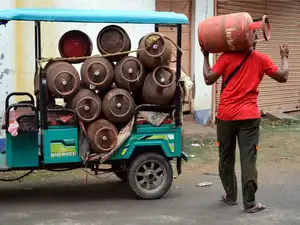
In a significant move that underscores the challenges faced by women entrepreneurs in India, Roopa Shastri, a hotel owner from Bengaluru, has reached out to Prime Minister Narendra Modi to address the ongoing commercial liquefied petroleum gas (LPG) shortage. The situation has spiraled into a crisis, particularly impacting the hospitality sector dominated by women-led businesses. Shastri's appeal sheds light on the urgent need for governmental intervention to stabilize LPG supplies, which are crucial for the operation of hotels and restaurants.
The hospitality industry, especially in urban centers like Bengaluru, has seen a surge in women entrepreneurs who are venturing into hotel management and culinary businesses. However, the recent LPG shortage has posed a severe threat to their operations. Roopa Shastri pointed out that many women-run hotels are struggling to maintain their services due to the unavailability of commercial LPG, which is essential for cooking and heating. Without a steady supply, these businesses face the risk of closure, leading to significant financial losses and job cuts.
Shastri emphasized that the LPG crisis is not just an economic issue but also a social one. Women entrepreneurs, who often juggle multiple responsibilities, are disproportionately affected by such shortages. The emotional and financial strain of running a business amidst these challenges can deter many women from pursuing their entrepreneurial dreams. In her letter to the Prime Minister, she highlighted the need for policies that specifically address the needs of women-led businesses.
The ongoing LPG shortage in India has been partially attributed to geopolitical tensions, particularly the conflict in West Asia. As a major supplier of oil and gas, any disruption in this region can have far-reaching consequences for countries like India that rely heavily on imports. Shastri pointed out that while global conflicts are beyond control, the government must take proactive measures to mitigate their impact on local businesses.
She called for immediate action to secure a stable supply of commercial LPG and proposed that the government prioritize the needs of women-run establishments. By doing so, the government could not only support these businesses but also foster a more inclusive economy that empowers women to succeed.
The government has a pivotal role to play in supporting women entrepreneurs, especially during crises like the current LPG shortage. It can implement policies that prioritize the allocation of resources to women-led businesses, ensuring they receive the necessary support to thrive. Programs aimed at providing financial assistance, training, and resources could significantly bolster the resilience of women entrepreneurs in the hospitality sector.
Moreover, the government could facilitate discussions with LPG suppliers to create a more robust supply chain that is less vulnerable to external shocks. By establishing strategic reserves and diversifying sources of LPG imports, India can better insulate itself from global disruptions.
Roopa Shastri's appeal is a clarion call for action. The plight of women entrepreneurs in the hospitality industry cannot be overlooked, and it is essential for the government to recognize the unique challenges they face. The immediate steps that can be taken include:
The call for action is not just about ensuring the supply of LPG; it is about creating an ecosystem where women entrepreneurs can thrive despite challenges. By addressing the specific needs of women in the business sector, the government can foster a more equitable and sustainable economic environment.
Roopa Shastri’s appeal to Prime Minister Narendra Modi highlights the pressing need for immediate action to address the commercial LPG shortage and its adverse effects on women entrepreneurs. As the world faces escalating conflicts and economic uncertainties, the resilience of women-led businesses must be prioritized. It is time for the government to take decisive steps to support these entrepreneurs, ensuring they have the resources they need to succeed. Only then can we build a stronger, more inclusive economy that benefits all.


Loading more news...
You've reached the end of our news feed. Check back later for more updates!