World TB Day 2026: Ignoring These 5 Symptoms Can Be Fatal - Don't Ignore the Warning Signs of Tuberculosis
As we mark World TB Day 2026, it is crucial to acknowledge the alarming statistics surrounding this ancient disease. Tuberculosis (TB) continues to be a significant public health concern, with millions of people affected worldwide. One of the primary reasons for the persistence of TB is the lack of awareness about its symptoms, leading to delayed diagnosis and treatment. In this article, we will highlight the importance of recognizing the warning signs of TB and the need for prompt medical attention.
The Silent Killer: TB Symptoms Often Go Unnoticed
TB is a contagious disease caused by the bacterium Mycobacterium tuberculosis. It primarily affects the lungs, but can also spread to other parts of the body. The symptoms of TB are often subtle, making it challenging to identify the disease in its early stages. In fact, many people with TB may not exhibit any noticeable symptoms until the disease has progressed to an advanced stage.
5 Warning Signs of TB You Shouldn't Ignore
The World Health Organization (WHO) estimates that if left untreated, TB can be fatal in up to 50% of cases. Therefore, it is essential to be aware of the warning signs of TB and seek medical attention if you or someone you know is experiencing any of the following symptoms:
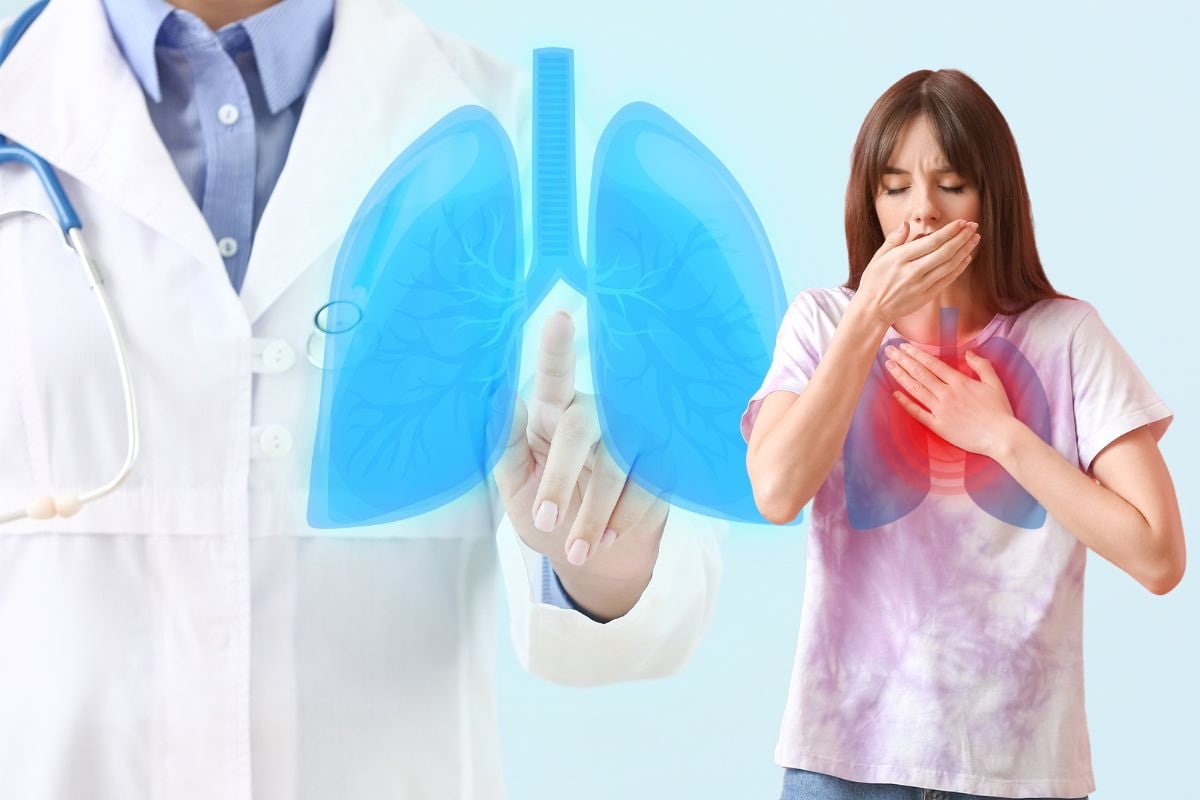
1. Coughing for Three Weeks or More: A persistent cough is one of the most common symptoms of TB. If you have been coughing for three weeks or more, it is crucial to consult a doctor to rule out TB.
2. Blood in Phlegm: Coughing up blood or phlegm with a rust-colored or pinkish hue is a clear indication of TB. This symptom is often a sign of advanced TB, which requires immediate medical attention.
3. Weight Loss: Unexplained weight loss, especially in people with TB, can be a sign of malnutrition or a compromised immune system. If you are experiencing significant weight loss without any apparent reason, consult a doctor to determine the cause.
4. Night Sweats: Night sweats are a common symptom of TB, particularly in people with advanced disease. This symptom is often accompanied by fever, chills, and fatigue.
5. Fatigue: Feeling extremely tired or exhausted for an extended period can be a sign of TB. This symptom is often accompanied by other symptoms, such as a persistent cough, weight loss, and night sweats.
The Importance of Early Diagnosis and Treatment
TB is a treatable disease, but only if diagnosed and treated promptly. Delayed diagnosis and treatment can lead to severe complications, including respiratory failure, meningitis, and even death. Therefore, it is essential to seek medical attention if you or someone you know is experiencing any of the symptoms mentioned above.
Prevention is Key
Preventing the spread of TB is crucial to controlling the disease. Here are some ways to reduce your risk of contracting TB:
* Get vaccinated: The BCG vaccine is effective in preventing TB, especially in children and young adults.
* Practice good hygiene: Cover your mouth and nose when coughing or sneezing, and wash your hands frequently.
* Avoid close contact: Avoid close contact with people who have active TB, especially if you have a compromised immune system.
* Get tested: If you have been exposed to someone with TB or have traveled to an area with a high incidence of TB, get tested for TB.
Conclusion
World TB Day 2026 serves as a reminder of the importance of recognizing the warning signs of TB. By being aware of the symptoms and seeking medical attention promptly, we can reduce the risk of complications and improve treatment outcomes. Let us work together to control the spread of TB and create a healthier world for all.