Word of the Day: Disinflation - Understanding Its Meaning, Usage, and Crucial Relevance in Today's AI-Driven Economy
In a world increasingly shaped by artificial intelligence, understanding the nuances of economic terminology is more vital than ever. Today, we delve into a concept that, while often confused with its more aggressive counterpart, plays a critical role in the stability and trajectory of our markets: Disinflation.
What Exactly is Disinflation?
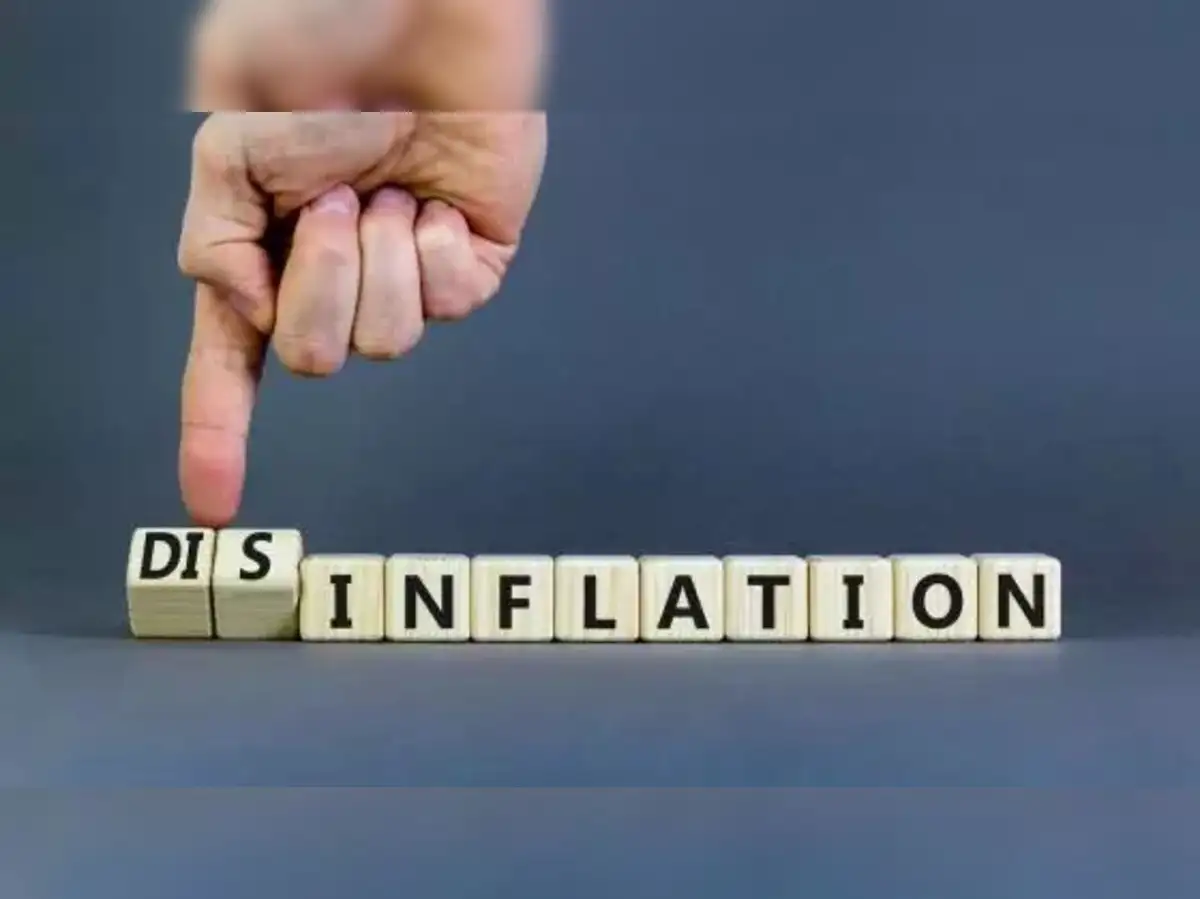
Disinflation refers to a slowdown in the rate of inflation. It’s crucial to grasp that disinflation is not deflation. Deflation is a general decline in the prices of goods and services, a scenario that can signal economic distress and declining demand. Disinflation, on the other hand, means that while prices are still rising, they are doing so at a slower pace than before.
Think of it like this:
* Inflation: Prices are going up. (e.g., 5% increase this year, 4% increase last year)
* Disinflation: Prices are still going up, but at a decreasing rate. (e.g., 3% increase this year, 5% increase last year)
* Deflation: Prices are going down. (e.g., -1% increase this year, 3% increase last year)
So, if the inflation rate was 7% last month and is 5% this month, that's disinflation. The cost of living is still increasing, but at a less dramatic pace.
How is Disinflation Used?
The term "disinflation" is primarily used in economic and financial discussions. Central banks, economists, policymakers, and financial analysts frequently employ it to describe and forecast economic conditions.
Here are some common ways you might encounter disinflation in usage:
* Central Bank Statements: "The Federal Reserve noted signs of disinflation in its latest report, suggesting that its monetary policy actions are beginning to take hold."
* Economic Analysis: "Analysts are optimistic about the current trend of disinflation, believing it will lead to more sustainable economic growth."
* News Reporting: "Despite ongoing price pressures, the country is experiencing disinflation, a welcome relief for consumers."
* Investment Strategy: "Investors are closely watching for disinflationary signals, as it can impact corporate earnings and asset valuations."
Why Disinflation Matters in Today's AI-Driven Economy
The advent of artificial intelligence is profoundly reshaping our economy, from the way businesses operate to how consumers interact with products and services. In this evolving landscape, understanding disinflation is not just an academic exercise; it's a pragmatic necessity.
Here's why disinflation holds particular significance in our AI-driven world:
1. AI's Impact on Productivity and Efficiency: AI is a powerful tool for enhancing productivity. Businesses leveraging AI can optimize supply chains, automate repetitive tasks, improve resource allocation, and personalize customer experiences. This increased efficiency can lead to lower production costs. When costs decrease, companies can either absorb these savings, reinvest them, or, importantly, pass some of them on to consumers in the form of slower price increases, contributing directly to disinflation.
2. Data-Driven Pricing and Competition: AI algorithms can analyze vast amounts of data to inform pricing strategies. This can lead to more dynamic and competitive pricing models. In some sectors, AI might facilitate more precise price adjustments, potentially preventing runaway inflation and fostering an environment where price hikes are more tempered, thus supporting disinflation.
3. Supply Chain Optimization and Resilience: AI is revolutionizing supply chain management, making them more predictable and resilient. By optimizing inventory, predicting demand fluctuations, and identifying potential bottlenecks before they occur, AI can help mitigate supply shocks that often fuel inflation. A more stable and efficient supply chain inherently contributes to less upward price pressure, thereby supporting disinflationary trends.
4. Monetary Policy Effectiveness: Central banks use interest rates and other monetary tools to manage inflation. In an AI-driven economy, the transmission mechanisms of monetary policy might evolve. Understanding whether AI is contributing to disinflation or potentially creating new inflationary pressures is crucial for central banks to set appropriate policy. Evidence of disinflation can signal that their policies are working, allowing for a more measured approach to interest rate adjustments.
5. Consumer Purchasing Power and Confidence: While high inflation erodes purchasing power, even a slowdown in price increases (disinflation) is beneficial for consumers. It means their money still buys less than it did previously, but the rate at which it depreciates is slowing down. In an AI-driven economy where innovative products and services are emerging, disinflation can help ensure that consumers can afford to adopt these new technologies without being overwhelmed by rising costs. This sustained purchasing power is vital for continued economic growth.
6. Investment and Innovation Cycles: The presence of disinflation can influence investment decisions. If inflation is high and volatile, investors may be hesitant to commit capital. A trend of disinflation, however, can signal a more stable economic environment, encouraging investment in new technologies and businesses, including those powered by AI, which can further drive innovation and productivity.
Conclusion
Disinflation, the moderation of price increases, is a vital economic indicator that signals a move towards greater price stability. In our increasingly AI-driven economy, its significance is amplified. AI's capacity to boost productivity, optimize operations, and refine market dynamics has the potential to be a powerful force for disinflation. For central banks, policymakers, businesses, and individuals, understanding and tracking disinflation is key to navigating the complex economic landscape and fostering sustainable, AI-powered growth. As AI continues to transform our world, the interplay between technological advancement and price stability will remain a critical area of focus.