Trump Claims India Will Prioritize Venezuelan Oil Over Iranian Supplies
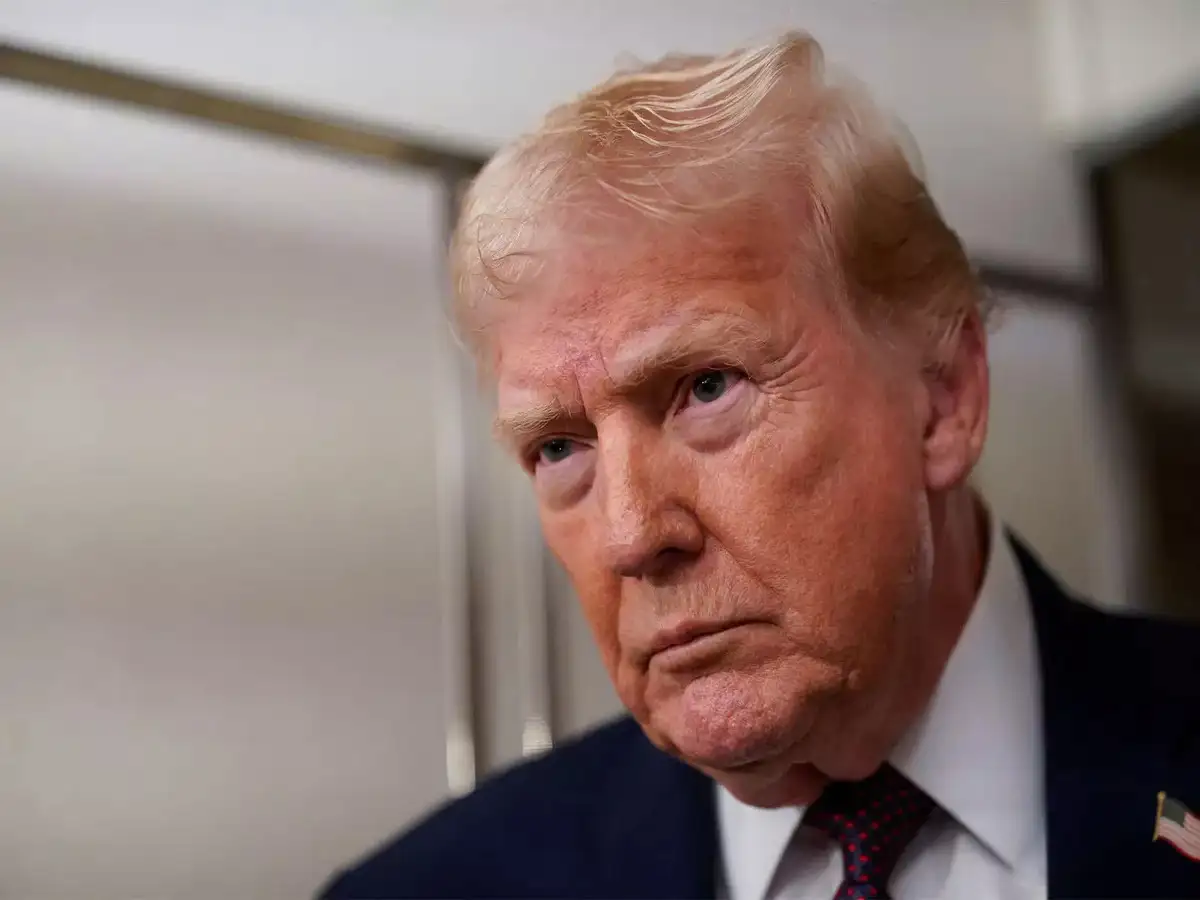
Washington D.C. - President Donald Trump has asserted that India will look to Venezuela for its oil needs, effectively bypassing Iranian supplies. The statement, made during a press conference, suggests a shift in global energy dynamics and further solidifies the Trump administration's pressure campaign against Iran.
Speaking to reporters, President Trump expressed confidence that India, a major oil consumer, would opt for Venezuelan crude. "India is going to be buying oil from Venezuela, not from Iran," Trump stated, without elaborating on the specifics of any potential agreements or the timeline for such a transition. He presented this development as a positive outcome of his administration's foreign policy efforts.
The United States has been actively seeking to isolate Iran economically, reimposing sanctions after withdrawing from the Joint Comprehensive Plan of Action (JCPOA) nuclear deal. A key component of this strategy has been to limit Iran's oil exports, which form a significant portion of its revenue. Washington has urged other nations to cease purchasing Iranian oil.
Venezuela, meanwhile, is also grappling with its own economic challenges and has been subject to U.S. sanctions, though the specific nuances and targets of these sanctions differ from those imposed on Iran. However, Venezuela possesses some of the world's largest proven oil reserves, and its crude oil is often a sought-after commodity.
If India were to significantly increase its oil purchases from Venezuela, it could have several implications. For Venezuela, it could provide a much-needed source of revenue, potentially bolstering the embattled Maduro regime, though the presence of U.S. sanctions on Caracas would complicate any such transactions. For Iran, it would represent a further blow to its oil export market, intensifying the economic pressure it faces. For India, it would mean diversifying its energy sources and potentially securing oil at competitive prices, although navigating the geopolitical complexities of sourcing from both Venezuela and potentially other nations would require careful diplomacy.
The Trump administration has consistently framed its "maximum pressure" campaign against Iran as a means to curb its nuclear ambitions and its regional activities. The suggestion that India will shift its oil sourcing away from Iran aligns with this broader objective.
It remains to be seen how this potential shift will materialize. While President Trump's statements carry weight, actual trade agreements and purchasing decisions are often influenced by a complex interplay of economic factors, diplomatic relations, and the specific needs of importing nations like India. The details of any arrangements between India and Venezuela, and the precise impact on Iran's oil sector, will be closely watched by international observers and market analysts in the coming months.