A Strategic Gambit: Trump and Netanyahu Forge Alliance to Cripple Iran\'s Oil Exports to China, Sparking Diplomatic Firestorm
Title: United States and Israel Forge Strategic Alliance: A Coordinated Campaign to Sever Iran\'s Lifeline to China\'s Energy Market
Introduction:
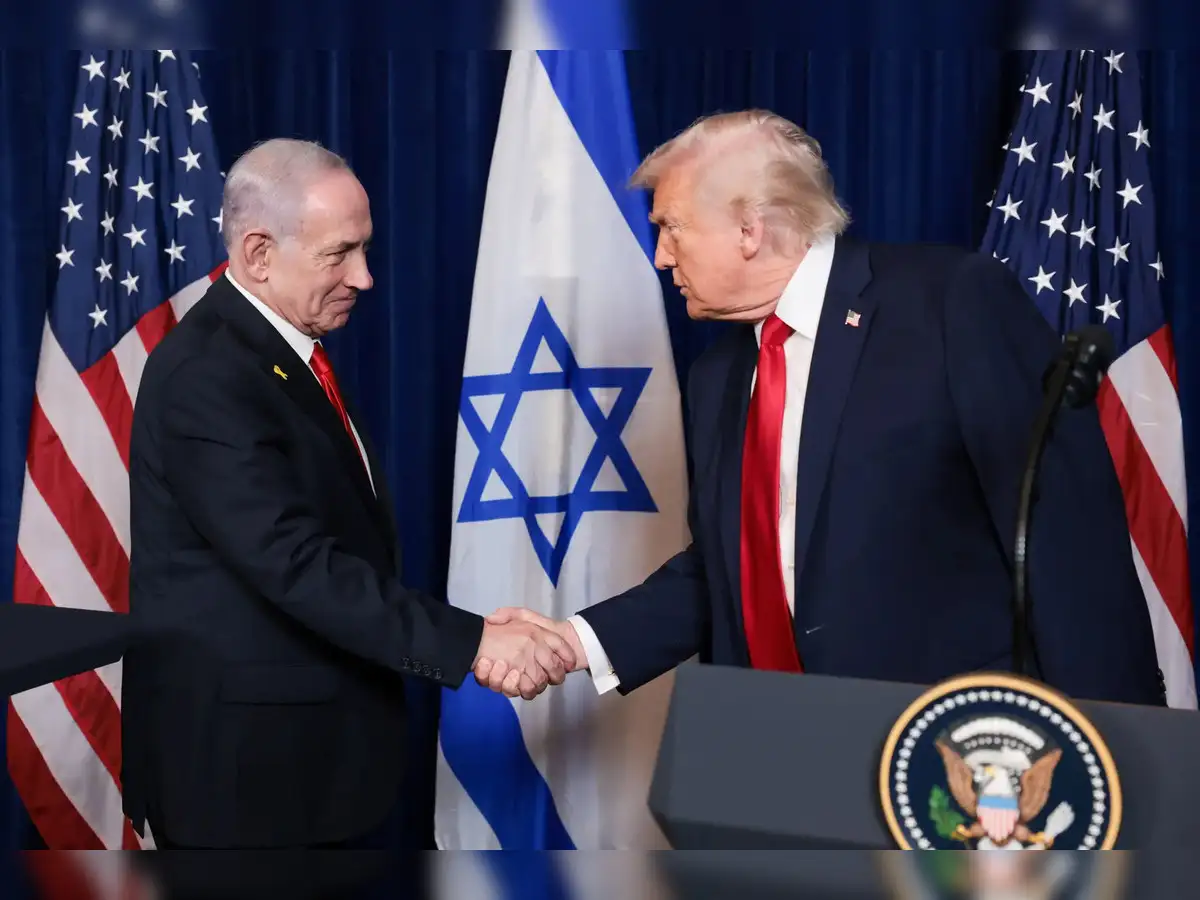
In a development that has sent ripples of apprehension through global diplomatic corridors, President Donald Trump and Israeli Prime Minister Benjamin Netanyahu have reportedly coalesced around a decisive strategy: to leverage United States influence to significantly curtail Iran\'s oil exports to China. This clandestine agreement, brought to light by Axios, signifies a potent escalation in the ongoing geopolitical pressure campaign against the Islamic Republic. The objective is clear and stark: to choke off a vital revenue stream for Tehran, thereby intensifying its economic isolation and compelling a recalibration of its regional and international conduct, particularly concerning its controversial nuclear program. This report will delve into the intricacies of this reported agreement, dissecting its potential implications for regional stability, global energy markets, and the complex web of US-China-Iran relations. We will explore the motivations behind this coordinated push, the mechanisms by which it might be implemented, and the inevitable diplomatic fallout it is poised to generate, including China\'s firm stance on the legitimacy of its trade relations.
The Genesis of the Agreement: A Shared Vision of Iranian Containment
The reported agreement between President Trump and Prime Minister Netanyahu is not a spontaneous outburst but rather a culmination of years of shared strategic objectives and a deep-seated mutual distrust of Iran\'s regional ambitions and its pursuit of nuclear capabilities. Both leaders have consistently viewed Iran as a destabilizing force, supporting proxy militant groups across the Middle East, engaging in ballistic missile development, and posing an existential threat to Israel\'s security.
For President Trump, the Iran nuclear deal, officially known as the Joint Comprehensive Plan of Action (JCPOA), was a flawed agreement that empowered Iran and failed to address its broader malign activities. His administration\'s withdrawal from the JCPOA in 2018 and the subsequent reimposition of stringent sanctions were designed to exert \"maximum pressure\" on Tehran, aiming to force it back to the negotiating table for a more comprehensive deal. However, Iran\'s continued oil sales, even at reduced levels, have provided a crucial lifeline, allowing it to weather the economic storm and sustain its regional proxy network.
Prime Minister Netanyahu has been an even more vocal and persistent critic of Iran, viewing its nuclear ambitions as an existential threat to the Jewish state. He has tirelessly advocated for a more aggressive approach to confronting Iran, emphasizing the need to dismantle its nuclear infrastructure and curb its influence in neighboring countries. The perceived inadequacy of the JCPOA from Israel\'s perspective fueled a consistent push for stronger international action, including sanctions that would cripple Iran\'s economy.
The confluence of these strategic imperatives created fertile ground for an agreement. Axios reports suggest that the discussions between Trump and Netanyahu, likely occurring at the highest levels of both administrations, focused on identifying vulnerabilities in Iran\'s economic structure. The significant volume of Iranian oil being imported by China emerged as a glaring weakness. While international sanctions, particularly those imposed by the US, have aimed to deter other nations from purchasing Iranian crude, China has, at times, been perceived as a less stringent enforcer, either through overt purchases or more clandestine methods.
The Mechanics of Pressure: Targeting Iran\'s Oil Exports to China
The core of the reported agreement lies in a concerted effort by the United States to persuade or compel China to significantly reduce its imports of Iranian oil. This objective could be pursued through a multi-pronged approach, leveraging various diplomatic, economic, and potentially even coercive tools:
* Enhanced Sanctions Enforcement and Secondary Sanctions: The United States already possesses a robust sanctions regime against Iran. The agreement likely entails a renewed focus on rigorously enforcing existing sanctions, particularly those targeting entities involved in the illicit trade of Iranian oil. A crucial element of this would be the threat and imposition of secondary sanctions. These sanctions target foreign individuals and entities that do business with sanctioned Iranian entities, effectively forcing a choice: trade with Iran and face repercussions from the US, or comply with US sanctions and maintain access to the US market and financial system. The US could intensify its efforts to identify and penalize Chinese companies, shipping firms, and financial institutions that facilitate these oil shipments. This would involve increased intelligence gathering, financial tracking, and the willingness to blacklist offending entities.
* Diplomatic Persuasion and Leverage: Beyond punitive measures, the US would likely employ diplomatic channels to exert pressure on Beijing. This could involve direct bilateral discussions at the highest levels, where US officials would highlight the perceived threat posed by Iran\'s nuclear program and its regional destabilization efforts. The US might also frame this as a matter of global security and a shared interest in preventing nuclear proliferation. Furthermore, the US could leverage its broader diplomatic influence within international organizations or through its alliances to build a coalition that supports increased pressure on Iran. This could involve engaging with other key oil-importing nations, though China\'s unique position as a major purchaser of Iranian crude makes it the primary target.
* Intelligence Sharing and Transparency: A more proactive approach could involve enhanced intelligence sharing between the US and its allies regarding illicit Iranian oil shipments to China. This intelligence could be used to expose specific violations, identify the vessels and companies involved, and provide concrete evidence to support sanctions enforcement. Increased transparency regarding these shipments would make it more difficult for China to engage in deniable transactions.
* Navigational and Shipping Interdiction: In a more aggressive scenario, although less likely to be openly declared, the US, in coordination with allies, could consider measures to disrupt shipping routes or even interdict vessels suspected of carrying Iranian oil to China. This would be a highly provocative step with significant implications for freedom of navigation and international maritime law, but it remains a theoretical possibility in extreme circumstances.
* Exploiting Existing Trade Tensions: The US and China are already engaged in a broader trade dispute. The Trump administration, known for its assertive trade policies, could potentially link the issue of Iranian oil imports to the ongoing trade negotiations, using it as a bargaining chip to extract concessions from Beijing in other areas.
China\'s Stance: \"Normal Trade Cooperation is Legitimate\"
Beijing\'s reaction to any US-led effort to curb its oil imports from Iran is predictable and has already been clearly articulated. China consistently maintains that its trade relations with Iran are normal and legitimate, operating within the bounds of international law and its own national interests. The Chinese Foreign Ministry has repeatedly stated that its cooperation with Iran, including oil imports, is based on mutual benefit and aimed at ensuring its own energy security.
China\'s position can be attributed to several factors:
* Energy Security: China is the world\'s largest importer of oil and a significant consumer. Diversifying its energy sources is a strategic imperative. Iran, with its substantial oil reserves, represents a relatively accessible and cost-effective supplier, especially when Western sanctions have limited other options.
* Economic Pragmatism: China benefits from the discounted prices often offered by Iran due to its pariah status on the international market. This economic advantage is a key driver of its continued purchases.
* Strategic Autonomy: China views its trade relations as a matter of national sovereignty and resists external pressure from the US to dictate its commercial activities. It seeks to maintain its strategic autonomy and avoid being drawn into US-led geopolitical battles.
* Skepticism of US Motives: China often views US actions against Iran through the lens of broader US strategic competition with China and its desire to assert global hegemony. Beijing may perceive US pressure on Iran\'s oil exports as an indirect attempt to further isolate China and limit its economic growth.
* Precedent and Interpretation of Sanctions: China may argue that its imports fall within specific waivers or exemptions that have been granted by the US in the past, or that the US interpretation of sanctions is overly broad and infringes upon legitimate trade.
The US-China relationship is already fraught with tensions over trade, technology, and geopolitical influence. Any move by the US to directly target China\'s energy imports from Iran would undoubtedly exacerbate these tensions, potentially leading to retaliatory measures from Beijing. This could manifest in various ways, including increased tariffs on US goods, restrictions on US companies operating in China, or a more assertive stance in other geopolitical arenas.
Implications for the Global Stage:
The reported agreement and the potential implementation of its strategy carry profound implications across multiple fronts:
* Regional Instability: The intensified pressure on Iran\'s economy could lead to increased internal unrest within the country, potentially making the regime more desperate or unpredictable. This could, in turn, fuel further regional proxy conflicts or even a direct confrontation between Iran and its adversaries. The Strait of Hormuz, a critical chokepoint for global oil transit, could become a flashpoint, with Iran threatening to disrupt shipping if its economic lifeline is severed.
* Global Energy Markets: A significant reduction in Iranian oil supply, particularly if it triggers disruptions or retaliatory actions, could lead to volatility in global oil prices. While the US and its allies would likely seek to compensate for lost supply from other producers, any sudden shock to the market could result in price spikes, impacting economies worldwide and disproportionately affecting developing nations.
* US-China Relations: The strategy would place direct pressure on the already strained US-China relationship. Beijing\'s response would be crucial in determining the extent of the fallout. A defiant stance from China would signal a deepening of the strategic rivalry between the two global powers, with potential ramifications for international trade, investment, and diplomatic cooperation on other global issues.
* Iran\'s Nuclear Program: The ultimate goal of this strategy is to compel Iran to abandon its pursuit of nuclear weapons and to negotiate a more stringent deal. However, the effectiveness of economic pressure in achieving such an outcome is debatable. Historically, sanctions have often led to entrenchment and increased defiance rather than capitulation. Iran\'s response could be to accelerate its enrichment activities or withdraw further from international oversight, escalating the nuclear crisis.
* The Future of the JCPOA: The reported agreement, if fully implemented, would effectively represent a continued dismantling of any remaining vestiges of the JCPOA, even if Iran remains technically committed to certain aspects. It signifies a shift towards a purely confrontational approach rather than diplomatic engagement with the aim of preserving or renegotiating the deal.
The Role of Diplomatic Engagement:
Amidst the escalating tensions, the ongoing diplomatic talks between US and Iranian diplomats on Iran\'s nuclear program take on added significance. These talks, if they are genuine and not merely a diplomatic formality, represent a potential avenue for de-escalation. However, the reported US-Israel agreement to cripple Iran\'s oil exports to China presents a direct challenge to any constructive diplomatic process.
If the US is simultaneously pursuing a strategy of maximum economic pressure, it casts doubt on the sincerity of its engagement at the negotiating table. Iran, feeling cornered and under siege, may be less inclined to make concessions. Conversely, if the US demonstrates a willingness to engage in good faith diplomacy while also pursuing a credible pressure strategy, it could create a situation where Iran feels incentivized to negotiate.
The effectiveness of these diplomatic talks will, therefore, be intricately linked to the perceived intentions and actions of the US. The reported alliance between Trump and Netanyahu suggests a preference for a more assertive, pressure-driven approach, which could overshadow or even undermine the diplomatic efforts.
Historical Precedents and Potential Pitfalls:
The strategy of targeting a nation\'s vital export revenue stream is not unprecedented in international relations. However, the scale and complexity of the current geopolitical landscape, particularly the interconnectedness of the global economy and the rise of China as a counterweight to US influence, present unique challenges and risks.
Past US attempts to isolate Iran economically have met with varying degrees of success. While sanctions have undoubtedly inflicted significant pain on the Iranian economy, they have not fundamentally altered the regime\'s behavior or its regional policies. The willingness of countries like China to continue trading with Iran, albeit often through opaque channels, has limited the impact of these sanctions.
The potential pitfalls of this intensified strategy are numerous:
* Unintended Consequences: The economic pressure could lead to humanitarian crises within Iran, prompting international concern and potentially weakening global support for US policy.
* Escalation of Conflict: A cornered Iran could lash out, leading to military confrontations or increased support for proxy groups, further destabilizing the region.
* Damage to International Cooperation: A protracted standoff between the US and China over trade with Iran could erode trust and hinder cooperation on other critical global issues, such as climate change, pandemics, and nuclear non-proliferation.
* Reinforcing Autocratic Regimes: Ironically, intensified external pressure can sometimes strengthen the resolve of authoritarian regimes by enabling them to rally domestic support against a perceived foreign threat.
Conclusion:
The reported agreement between President Donald Trump and Prime Minister Benjamin Netanyahu to press Iran to cut oil sales to China represents a significant escalation in the global campaign to contain the Islamic Republic. It signals a strategic convergence of interests between the United States and Israel, aimed at leveraging economic warfare to achieve geopolitical objectives.
While the stated goal is to curb Iran\'s nuclear ambitions and regional destabilization, the potential consequences are far-reaching and complex. The strategy hinges on the US\'s ability to exert sufficient pressure on China, a formidable economic power with its own strategic interests and a clear articulation of the legitimacy of its trade. Beijing\'s response will be pivotal in determining the ultimate impact of this gambit.
The effectiveness of this approach remains to be seen. History offers a cautionary tale about the limitations of purely economic pressure in achieving fundamental behavioral change in states. The risk of unintended consequences, including regional escalation, market volatility, and further deterioration of US-China relations, is substantial.
As this reported alliance takes shape and potentially moves from discussion to implementation, the world watches with bated breath. The delicate balance of power in the Middle East and the broader geopolitical landscape hang precariously in the balance, subject to the intricate interplay of strategic maneuvering, economic leverage, and diplomatic engagement—or the lack thereof. The coming months will undoubtedly reveal the true mettle of this ambitious plan and its capacity to reshape the dynamics of international relations.