Trump Hails "Excellent" Call with Xi Jinping: A Closer Look at China's Trade and Taiwan Concessions
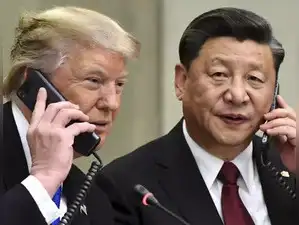
Washington D.C. - President Donald Trump announced on Friday that he had an "excellent" phone call with Chinese President Xi Jinping, signaling a potential thaw in the ongoing trade war and a moment of de-escalation on the contentious issue of Taiwan. While the White House framed the conversation as a significant step forward, a closer examination of the outcomes reveals a more nuanced picture of China's commitments and the enduring complexities of the US-China relationship.
The call, which lasted for over an hour, was reportedly focused on two key areas: addressing the burgeoning trade dispute and reaffirming stances on Taiwan's sovereignty. Trump, a vocal critic of China's trade practices, expressed optimism, tweeting that the conversation was "very good" and that "progress is being made on all fronts." This sentiment was echoed by Beijing, with the Chinese Ministry of Foreign Affairs stating that the leaders had a "constructive" exchange and reached "important consensus."
Trade: A Glimmer of Hope, But Details Remain Elusive
On the trade front, the primary focus of the Trump administration's ire, the "progress" appears to stem from China's willingness to address some of the US's long-standing grievances. While the specifics remain under wraps, sources close to the administration suggest that Xi Jinping committed to a number of measures aimed at leveling the playing field for American businesses.
These commitments are understood to include:
* Increased Purchases of US Goods: China is reportedly poised to significantly increase its imports of American agricultural products, energy, and manufactured goods. This could offer a much-needed boost to key US sectors that have been hit hard by retaliatory tariffs.
* Reduced Tariffs on Certain Products: While not a wholesale rollback, there are indications that China may be willing to lower tariffs on a select list of US products, further facilitating trade and potentially easing some of the cost burdens on American consumers.
* Addressing Intellectual Property Theft: A central tenet of the US trade demands has been China's alleged widespread intellectual property theft and forced technology transfer. While concrete enforcement mechanisms are still to be detailed, the US has received assurances that Beijing will take steps to strengthen its IP protection laws and crack down on counterfeiting.
* Opening Up Markets: China has also reportedly signaled a willingness to further open its domestic market to foreign investment, particularly in sectors where US companies have a competitive advantage.
However, it's crucial to note that these are largely reported commitments, and the devil will undoubtedly be in the details of their implementation. The US has a history of seeking verifiable and enforceable agreements with China on trade, and the success of this latest understanding will depend on Beijing's follow-through. The potential for backsliding or the creation of new barriers remains a concern for many trade experts.
Taiwan: A Delicate Balance of Reaffirmation
The issue of Taiwan, a self-governing democracy claimed by Beijing as part of its territory, is a constant flashpoint in US-China relations. During the call, both leaders are understood to have reaffirmed their respective positions, leading to a perceived moment of stability, albeit a fragile one.
For the US, the commitment likely centered on maintaining its long-standing "One China" policy while continuing to support Taiwan's self-defense capabilities. This includes the sale of defensive arms and diplomatic engagement that acknowledges Taiwan's democratic system without formally recognizing its independence.
China, on the other hand, reiterated its unwavering stance on "one China" and its opposition to any moves that might be interpreted as supporting Taiwanese independence. The call likely served as an opportunity for Xi Jinping to remind Trump of Beijing's core principles on this sensitive matter.
While the tone of the discussion on Taiwan may have been "excellent," it's important to recognize that this is a situation where progress is often defined by a lack of escalation, rather than genuine breakthroughs. The fundamental disagreements remain, and any significant shift in US policy towards Taiwan could quickly reignite tensions.
What Does This Mean Moving Forward?
President Trump's positive framing of the call with Xi Jinping suggests a desire to project an image of diplomatic success and to potentially pave the way for a more stable economic relationship. The prospect of increased Chinese purchases of American goods and a potential easing of tariffs could be a welcome development for both the stock market and sectors of the US economy.
However, the underlying issues that fueled the trade war – structural imbalances, IP theft, and market access – are deep-seated and will require sustained effort and scrutiny to address. Similarly, the complex and sensitive issue of Taiwan remains a geopolitical minefield.
The "excellent" call with Xi Jinping may have offered a brief respite, but it is unlikely to represent a definitive end to the US-China trade dispute or a permanent resolution to the Taiwan question. The coming months will be critical in determining whether the commitments made are translated into tangible progress or if the underlying tensions resurface, underscoring the enduring challenges of navigating the multifaceted US-China relationship. The world will be watching closely to see if this "excellent" call truly ushers in a new era of cooperation or simply represents a temporary pause in an ongoing strategic rivalry.