
Business
बांग्लादेश में बढ़ा तनाव! मुहम्मद यूनुस के पैतृक घर में लगी आग, ग्रामीण बैंक की 37 शाखाएं भी निशाने पर
November 19, 2026
1,452 views
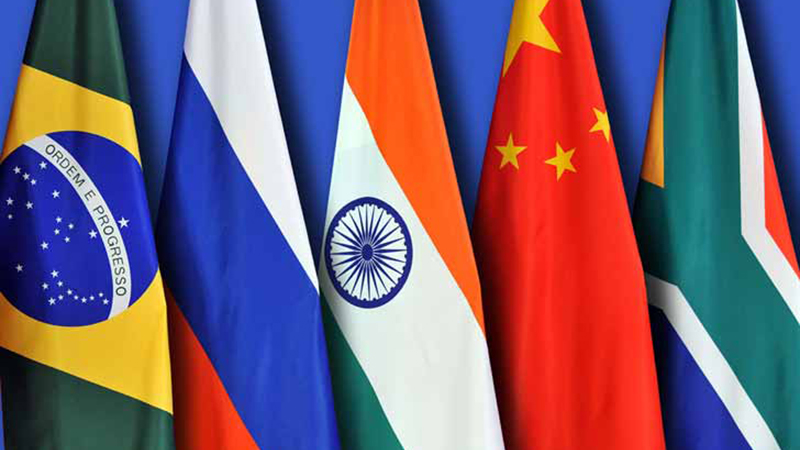
In an increasingly interconnected world, the geopolitical landscape is shifting dramatically, prompting countries to reevaluate their financial dependencies. The BRICS nations—Brazil, Russia, India, China, and South Africa—have long relied on the SWIFT system and the US dollar for international transactions. However, as political tensions rise and sanctions become more common, these countries are seeking alternative financial systems that can provide greater resilience and security. This article explores why BRICS can no longer afford to depend solely on SWIFT and the dollar, and what alternative systems are emerging.
SWIFT, or the Society for Worldwide Interbank Financial Telecommunication, has been the backbone of international financial communications since its inception. However, it has significant limitations. SWIFT’s dependency on the dollar makes it vulnerable to the whims of US foreign policy. For instance, countries that find themselves at odds with the United States often face restrictions that limit their access to this pivotal financial network. This creates a financial chokepoint, where the flow of capital is stifled, impacting trade and economic growth.
As global politics become more charged, the likelihood of economic sanctions increases. The BRICS nations are particularly susceptible to this, given their diverse political stances and alliances. Countries like Russia have already faced severe sanctions that limit their access to international markets. This has prompted a reevaluation of their financial strategies. By diversifying their financial systems, BRICS nations aim to mitigate the risks associated with sanctions and political unrest. Economic sovereignty has become a priority, allowing these nations to engage in trade without the looming threat of financial repercussions.
In response to the limitations of SWIFT, several alternative financial systems are emerging. One of the most notable is the Cross-Border Interbank Payment System (CIPS), which was developed by China to facilitate international transactions in yuan. This system allows for direct transactions without relying on the dollar, thus offering a more independent payment route. Similarly, Russia has developed its own financial messaging system, the System for Transfer of Financial Messages (SPFS), which serves as a domestic alternative to SWIFT. These systems not only provide options for BRICS nations but also enhance their economic autonomy.
Another significant development in the financial landscape is the rise of central bank digital currencies (CBDCs). Countries like China and Russia are already piloting their digital currencies, which could revolutionize cross-border transactions. By utilizing CBDCs, BRICS nations could facilitate trade directly between their currencies, bypassing SWIFT and the dollar entirely. This technological advancement not only increases the speed of transactions but also reduces costs associated with currency conversion and international payments.
For BRICS to successfully implement these alternative systems, economic cooperation among member nations is essential. Establishing mutual agreements and frameworks for trade will enable smoother transitions to these new financial systems. Additionally, fostering trust and collaboration will be key to overcoming the challenges associated with shifting away from established systems like SWIFT. Initiatives such as joint investment funds and trade agreements can help solidify these relationships.
While the move away from SWIFT and the dollar presents numerous opportunities, it is not without challenges. The transition to new financial systems will require significant investment in technology and infrastructure. Moreover, the existing dominance of the dollar in global trade cannot be underestimated. For many countries, the dollar remains a stable and trusted currency, making the shift to alternatives a complex process. BRICS nations must navigate these challenges carefully to ensure a successful transition.
The future of BRICS in the global financial system hinges on its ability to innovate and adapt. As these nations explore new pathways for international trade and finance, they are setting the stage for a more multipolar world. The emphasis on resilience and choice in financial systems could ultimately lead to a more balanced global economy, where no single currency or system holds all the power. In this evolving landscape, BRICS nations are poised to become key players, shaping the future of global finance.
In conclusion, the financial chokepoint that has emerged from reliance on SWIFT and the dollar is prompting BRICS nations to seek alternatives. By embracing new systems and fostering cooperation, these countries can enhance their economic sovereignty and resilience in a changing geopolitical landscape. The journey toward a more diversified and robust financial ecosystem has begun, and its implications will be felt worldwide.


Loading more news...
You've reached the end of our news feed. Check back later for more updates!