
Politics
Tamil Nadu: DMK holds vote share despite bypoll defeats, weakened alliance
October 10, 2026
3,136 views
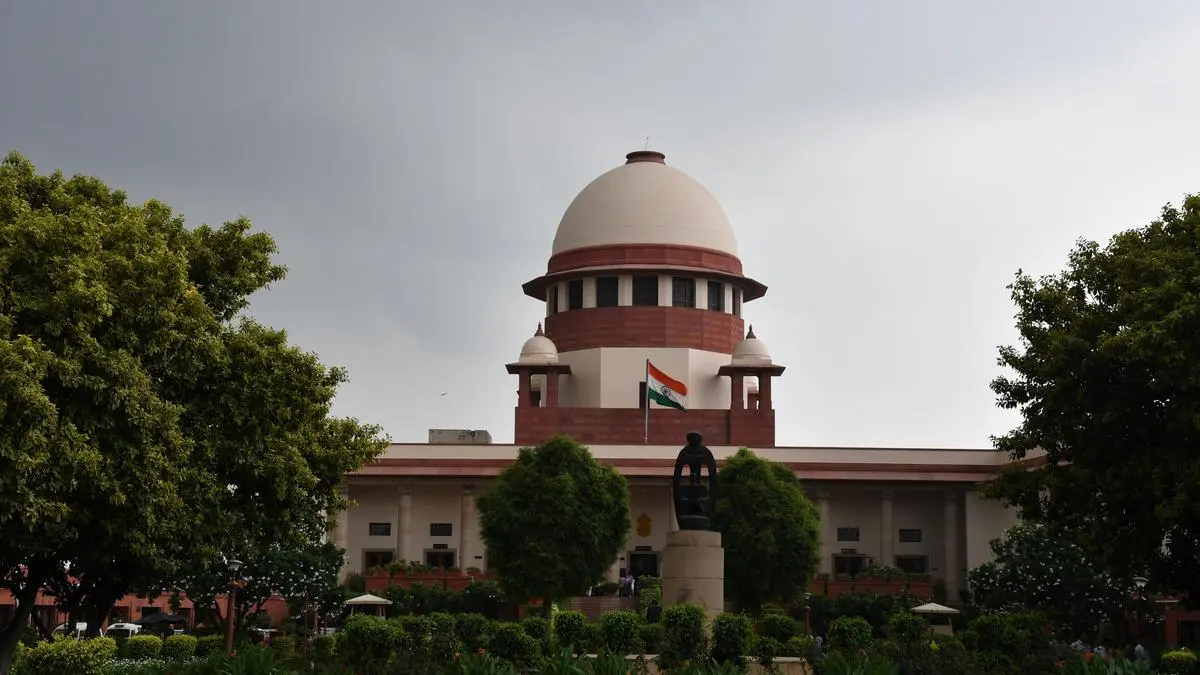
In a significant ruling, the Supreme Court of India has denied interim relief to Vedanta Limited concerning the resolution plan of Jaiprakash Associates. The decision comes as part of an ongoing legal battle over the restructuring efforts of the beleaguered infrastructure company, which has been facing financial difficulties. The court's refusal to grant interim directions highlights the complexities involved in the insolvency proceedings under the Insolvency and Bankruptcy Code (IBC).
The case revolves around the financial turmoil faced by Jaiprakash Associates, a major player in the construction and infrastructure sector in India. With mounting debts and liabilities, the company entered the insolvency process to seek a resolution that would allow it to continue its operations while addressing its financial obligations. Vedanta, a global natural resources company, expressed interest in acquiring a stake in Jaiprakash through the resolution plan, positioning itself as a potential savior of the struggling firm.
During the proceedings, the Supreme Court stated, “The appeal is likely to be addressed soon, and we see no legal necessity to issue any interim direction.” This statement reflects the court's intention to expedite the hearing while maintaining the integrity of the legal process. The judges emphasized that issuing interim relief could disrupt the ongoing resolution process and potentially lead to further complications.
The ruling has significant implications not only for Vedanta and Jaiprakash Associates but also for other corporates navigating the insolvency landscape in India. By denying interim relief, the Supreme Court has reinforced the principle that the insolvency process should progress without undue interference. This decision sends a clear message to stakeholders that the legal framework governing insolvency must be respected, and any attempts to circumvent it could face challenges in the judiciary.
The denial of interim relief has garnered mixed reactions from industry experts and analysts. Some believe that this ruling could create a precedent for future cases involving complex corporate restructurings under the IBC. Others express concerns about the potential impact on investor confidence, especially in sectors already struggling with liquidity issues. The legal community is closely monitoring the situation, as the outcome of the appeal could redefine the contours of corporate insolvency in India.
As the Supreme Court prepares to hear the appeal, all eyes will be on how the legal arguments unfold in the coming weeks. The resolution process for Jaiprakash Associates is still in its early stages, and any delays could exacerbate the company's financial woes. Stakeholders, including creditors, employees, and potential investors, are anxiously awaiting clarity on the path ahead.
The Supreme Court's decision to deny interim relief to Vedanta in the Jaiprakash Associates resolution plan matter underscores the complexities of corporate insolvency in India. As the legal proceedings progress, the implications of this ruling will likely resonate throughout the industry. The court's commitment to ensuring a fair and lawful resolution process will be pivotal in shaping the future of distressed companies in the nation.

Loading more news...
You've reached the end of our news feed. Check back later for more updates!