NPS Swasthya Pension Scheme Launched: A Financial Safety Net for Medical Expenses
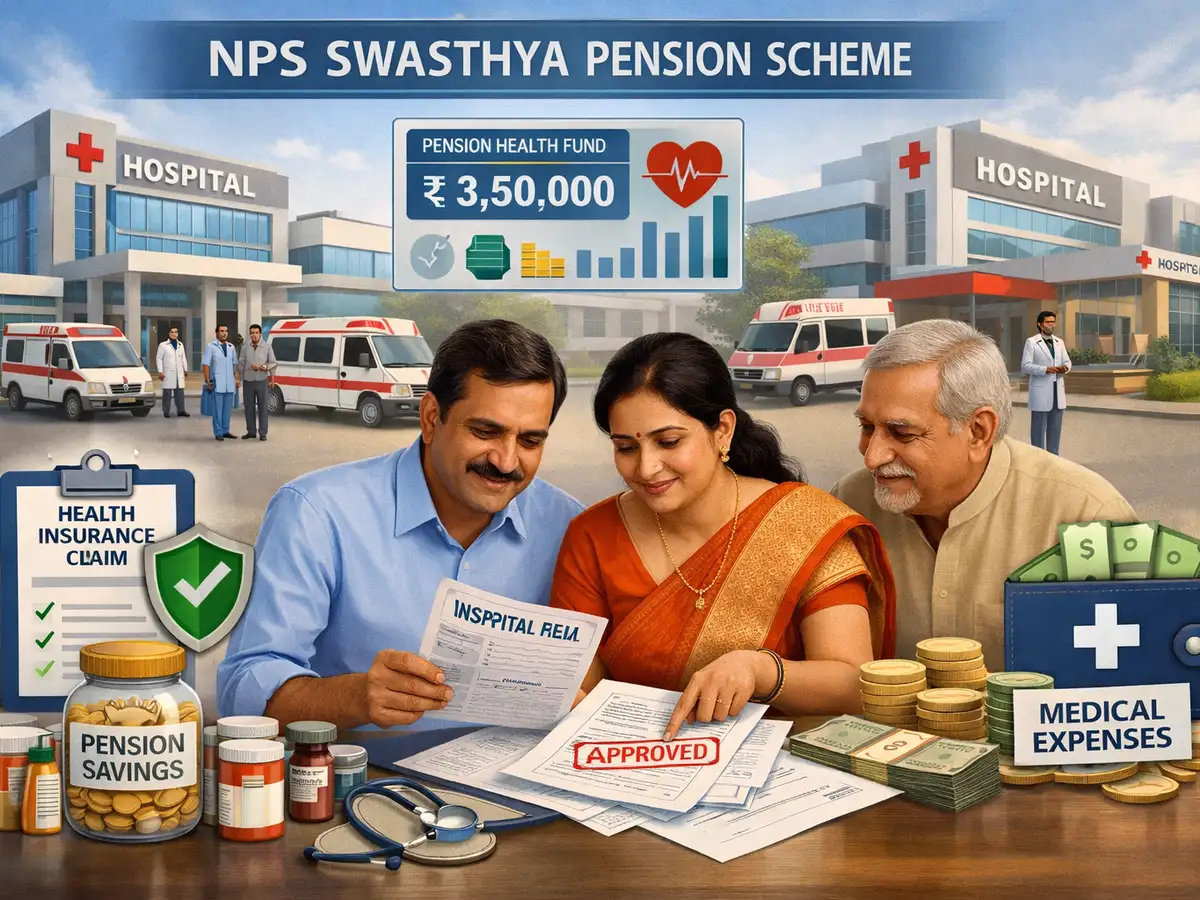
In a significant move aimed at alleviating the financial burden of healthcare costs, the National Pension System (NPS) has introduced the NPS Swasthya Pension Scheme. This innovative scheme is designed to provide a dedicated financial corpus specifically for meeting medical expenses, offering subscribers a crucial safety net during times of illness or medical necessity.
The introduction of NPS Swasthya marks a proactive step by the Pension Fund Regulatory and Development Authority (PFRDA) to address the growing concern of escalating healthcare costs and its impact on individuals' long-term financial well-being. It recognizes that unforeseen medical emergencies can deplete savings and derail retirement plans, and therefore seeks to offer a structured and accessible solution.
Understanding the NPS Swasthya Pension Scheme: Key Features and Benefits
The NPS Swasthya Pension Scheme operates as a voluntary, add-on feature within the existing NPS framework. It allows subscribers to accumulate funds over time, which can then be utilized to cover a wide range of medical expenditures. The primary objective is to foster financial resilience and ensure that critical medical needs can be met without compromising on other financial goals.
Eligibility Criteria: Who Can Benefit?
The NPS Swasthya Pension Scheme is open to all existing NPS subscribers, both from the government and private sectors (All Citizen Model). This broad eligibility ensures that a significant portion of the NPS subscriber base can leverage this beneficial scheme. To be eligible, an individual must:
* Be an existing NPS subscriber: This means having an active NPS account and contributing regularly to it.
* Meet age criteria: While specific age limits might be clarified by PFRDA guidelines, generally, it will align with the existing NPS subscriber age brackets.
* Adhere to PFRDA regulations: All contributions and operations within the scheme will be governed by the rules and regulations laid down by the PFRDA.
Contributions: Building Your Medical Corpus
Subscribers can voluntarily choose to contribute to the NPS Swasthya Pension Scheme. The contribution amount can be decided by the subscriber, offering flexibility to align with their financial capacity and perceived medical needs. Key aspects of contributions include:
* Voluntary and additional: Contributions to NPS Swasthya are entirely voluntary and are separate from the mandatory or voluntary contributions made to the core NPS account.
* Flexible contribution amount: Subscribers can choose to contribute a fixed amount or a percentage of their income towards this scheme.
* Potential for tax benefits: While specific tax implications are subject to prevailing tax laws, contributions to NPS, including add-on schemes like Swasthya, often come with tax deductions under Section 80C of the Income Tax Act, 1961. This can further incentivize individuals to build their medical corpus.
* Investment in market-linked instruments: Similar to the main NPS corpus, contributions to NPS Swasthya will be invested in a mix of equity and debt instruments, managed by professional fund managers. This offers the potential for wealth creation over the long term, allowing the corpus to grow and potentially outpace inflation in healthcare costs.
Withdrawals: Accessing Your Funds for Medical Needs
The primary purpose of NPS Swasthya is to provide financial assistance for medical expenses. The scheme outlines specific provisions for withdrawals, ensuring that funds are accessible when most needed. The withdrawal criteria typically include:
* Specific medical emergencies: Funds can be withdrawn to cover expenses related to serious illnesses, critical surgeries, or other unforeseen medical emergencies requiring significant financial outlay.
* Pre-defined medical conditions: PFRDA may specify a list of critical illnesses or conditions for which withdrawals are permitted.
* Documentation requirements: Subscribers will need to provide valid medical documentation, such as doctor's prescriptions, hospital bills, and medical reports, to support their withdrawal requests.
* Partial or full withdrawals: Depending on the nature and extent of the medical expense, subscribers may be allowed to make partial or full withdrawals from their NPS Swasthya corpus.
* Withdrawal by nominee: In the unfortunate event of the subscriber's demise, the accumulated corpus can be withdrawn by their nominated beneficiary to cover any outstanding medical expenses or for other purposes as per the nomination details.
Exit Criteria: Understanding the End of the Scheme
While the primary objective is to utilize the funds for medical expenses during the subscriber's lifetime, there are also provisions for the eventual exit from the NPS Swasthya Pension Scheme. These typically include:
* Maturity of the NPS account: Upon reaching the maturity of the main NPS account (typically at age 60 or extended retirement age), the accumulated corpus in NPS Swasthya can be withdrawn. A portion may be mandated for annuity purchase, similar to the core NPS.
* Death of the subscriber: As mentioned earlier, upon the subscriber's death, the corpus is paid to the nominee.
* Pre-mature exit (under specific circumstances): While not the primary focus, PFRDA may outline specific circumstances allowing for pre-mature exit, though these are generally restricted to exceptional situations and subject to defined conditions.
Benefits of NPS Swasthya Pension Scheme
The NPS Swasthya Pension Scheme offers several compelling benefits:
* Dedicated financial corpus for medical needs: This is the most significant advantage, providing a distinct fund for healthcare expenses, preventing encroachment on retirement savings.
* Financial security against rising healthcare costs: The scheme acts as a buffer against the ever-increasing cost of medical treatments and services.
* Long-term wealth creation: Investments in market-linked instruments allow the corpus to grow, potentially generating returns that can offset inflation.
* Discipline in saving for medical expenses: The structured approach encourages subscribers to save consistently for future medical needs.
* Potential tax advantages: Contributing to the scheme can offer tax benefits, making it a financially prudent choice.
* Peace of mind: Knowing that a dedicated fund is available for medical emergencies provides significant peace of mind and reduces financial anxiety.
Conclusion
The NPS Swasthya Pension Scheme is a welcome addition to the financial planning landscape, particularly for individuals concerned about their healthcare expenses in the long run. By offering a structured, voluntary, and potentially tax-efficient way to build a dedicated medical corpus, it empowers NPS subscribers to take proactive steps towards financial security and well-being. It is advisable for all NPS subscribers to thoroughly understand the scheme's intricacies, including eligibility, contribution options, withdrawal procedures, and exit criteria, to make informed decisions and effectively leverage this valuable financial tool. Consulting with a financial advisor can further help in integrating NPS Swasthya into a comprehensive financial plan.