
Politics
Tamil Nadu: DMK holds vote share despite bypoll defeats, weakened alliance
October 10, 2026
3,136 views
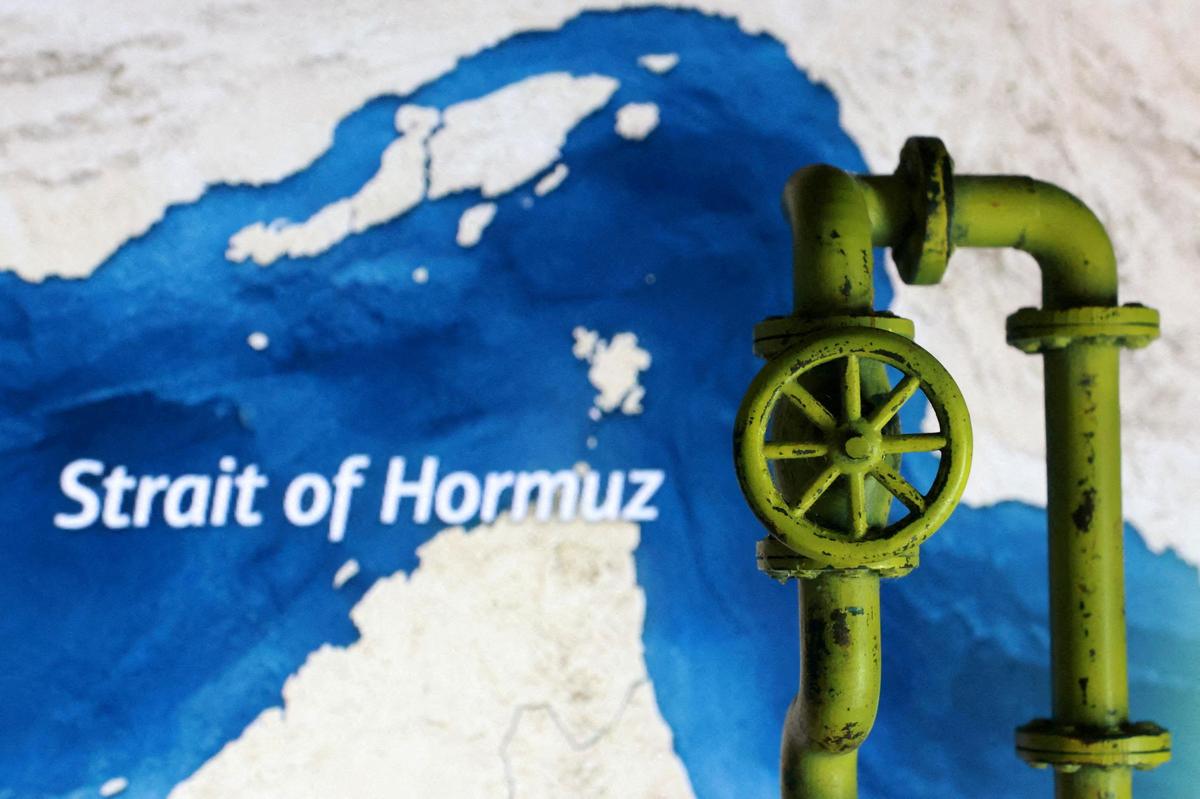
In a significant geopolitical development, the Strait of Hormuz remains under Iran's de facto control, even as a 14-day ceasefire was announced early on Wednesday, April 8, 2026, between the United States and Iran. The announcement sparked a flurry of maritime activity as ship owners and charterers rushed to prepare for transit through this crucial waterway. However, amid this urgency, there is a palpable sense of uncertainty regarding the conditions under which shipping operations can safely resume.
The Strait of Hormuz is one of the most strategically important maritime passages in the world, connecting the Persian Gulf with the Arabian Sea. Approximately 20% of the world's oil supply passes through this narrow channel, making it a vital artery for global trade and energy security. Given its significance, any disruption in this region can have substantial implications for international markets and energy prices.
The ceasefire, which was brokered amid escalating tensions between the U.S. and Iran, is seen as a temporary measure aimed at de-escalating hostilities. However, the uncertainty surrounding Iran's control over the Strait of Hormuz has raised questions among maritime stakeholders. With Iran's military presence in the area, shippers are cautious and seeking further clarity on the operational landscape.
While the ceasefire may have reduced immediate military confrontations, the underlying tensions and Iran's capability to exert control over the strait remain significant concerns. The Iranian government has made it clear that it intends to protect its territorial waters, and this has led to a heightened state of alert among shipping companies contemplating transit through the strait.
As shipping companies gear up for potential transit through the Strait of Hormuz, they are faced with a myriad of questions. Ship owners and charterers are not only concerned about the logistics of moving their vessels but are also seeking assurances regarding safety and security. The conditions under which they can operate remain ambiguous, leading to a cautious approach in planning maritime routes.
Many shipping lines are turning to risk assessment firms and maritime security experts to gauge the situation before making any definitive transit decisions. The goal is to minimize exposure to potential threats while ensuring the continued flow of goods. The insurance costs for vessels transiting the strait are also expected to rise as underwriters reassess the risks involved.
International diplomacy will play a crucial role in shaping the future of maritime operations in the Strait of Hormuz. The United States and its allies have expressed a commitment to ensuring the freedom of navigation in international waters. However, it remains to be seen how effective these diplomatic efforts will be in addressing the concerns of shippers and ensuring safe passage through the strait.
Furthermore, the involvement of regional powers and international organizations will be essential in creating an environment conducive to safe maritime operations. Multinational naval exercises and increased presence in the region could potentially deter hostile actions and reassure shipping companies.
As the situation unfolds in the Strait of Hormuz, the future of maritime trade in this region remains uncertain. The balance between ensuring safe navigation and addressing geopolitical tensions will be a critical factor in shaping shipping operations. Shippers will need to remain agile and responsive to the evolving landscape, adapting their strategies as necessary to navigate through potential challenges.
In conclusion, while the recent ceasefire offers a glimmer of hope for reducing tensions in the region, the reality of Iran's control over the Strait of Hormuz poses significant challenges for maritime trade. As shippers seek clarity and reassurance, the interplay between international diplomacy, regional stability, and operational safety will dictate the future of shipping through this vital waterway.


Loading more news...
You've reached the end of our news feed. Check back later for more updates!