
Politics
Tamil Nadu: DMK holds vote share despite bypoll defeats, weakened alliance
October 10, 2026
3,136 views
India striving to evolve common BRICS position on West Asia
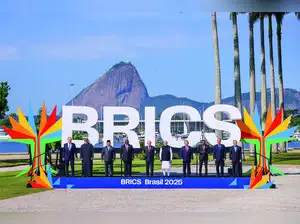
In the complex geopolitical landscape of West Asia, India has emerged as a pivotal player in the BRICS alliance, striving to forge a unified stance amidst a backdrop of differing viewpoints among its member nations. The ongoing crisis in West Asia has posed significant challenges for the BRICS bloc, which comprises Brazil, Russia, India, China, and South Africa, along with additional emerging economies. As the current chair of BRICS, India is undertaking the crucial role of facilitating constructive discussions aimed at achieving consensus regarding the situation in West Asia.
One of the primary hurdles faced by the BRICS nations in forming a cohesive response to the West Asia crisis is the divergent political perspectives held by its members. For instance, while some nations advocate for diplomatic solutions and negotiations, others may support different approaches based on their geopolitical interests. This fragmentation has made it difficult to produce a joint statement that reflects the collective voice of the BRICS alliance. India’s diplomatic expertise and its unique position as a bridge between differing ideologies are critical at this juncture.
Another complicating factor is the direct involvement of certain BRICS members in the West Asia conflict. Countries like Russia and China have strategic interests that influence their stance on the crisis, while India seeks to maintain a balanced approach, prioritizing peace and stability in the region. The intricate web of alliances and rivalries in West Asia necessitates careful navigation to avoid exacerbating tensions within the BRICS group itself. As the chair, India is tasked with the delicate balancing act of respecting individual member states' positions while promoting a unified front.
India’s role as a facilitator in the BRICS discussions is not merely administrative; it is a strategic endeavor that involves active diplomacy. The Indian government is engaging in bilateral and multilateral dialogues with other BRICS nations, aiming to identify shared interests and points of agreement. By organizing meetings, summits, and informal discussions, India is working tirelessly to foster an environment conducive to reaching consensus. This proactive approach is essential, especially given the urgency of the situation in West Asia and its implications for global peace and security.
The necessity for a unified BRICS voice on the West Asia crisis extends beyond mere solidarity among member nations; it reflects the bloc’s ambition to position itself as a significant player in global politics. A cohesive stance can enhance the credibility of BRICS on the international stage and strengthen its influence in negotiations concerning the crisis. This is particularly relevant in the context of ongoing discussions at various international forums where the BRICS bloc seeks to advocate for a multipolar world order, countering unilateral actions from Western powers.
Should India succeed in uniting the BRICS nations, the potential outcomes could be far-reaching. A consolidated BRICS position could lead to:
As India navigates the challenges of fostering a unified BRICS stance, the road ahead is fraught with complexities. The ongoing discussions will require significant diplomatic finesse, patience, and a commitment to compromise. India is acutely aware of the geopolitical stakes involved and is expected to leverage its historical ties with various nations in the region to facilitate dialogue. The success of these efforts will not only reflect on India’s leadership within BRICS but also its broader role in shaping the future of multilateralism.
The West Asia crisis underscores the importance of diplomacy and collaboration among nations, particularly in a world characterized by polarization and conflict. India’s leadership in striving for a unified BRICS stance is a testament to its commitment to peaceful resolution and cooperative engagement. As the situation evolves, the eyes of the international community will be on BRICS, assessing its ability to transcend differences and emerge as a cohesive force in addressing one of the most pressing crises of our time.


Loading more news...
You've reached the end of our news feed. Check back later for more updates!