
Business
बांग्लादेश में बढ़ा तनाव! मुहम्मद यूनुस के पैतृक घर में लगी आग, ग्रामीण बैंक की 37 शाखाएं भी निशाने पर
November 19, 2026
1,452 views
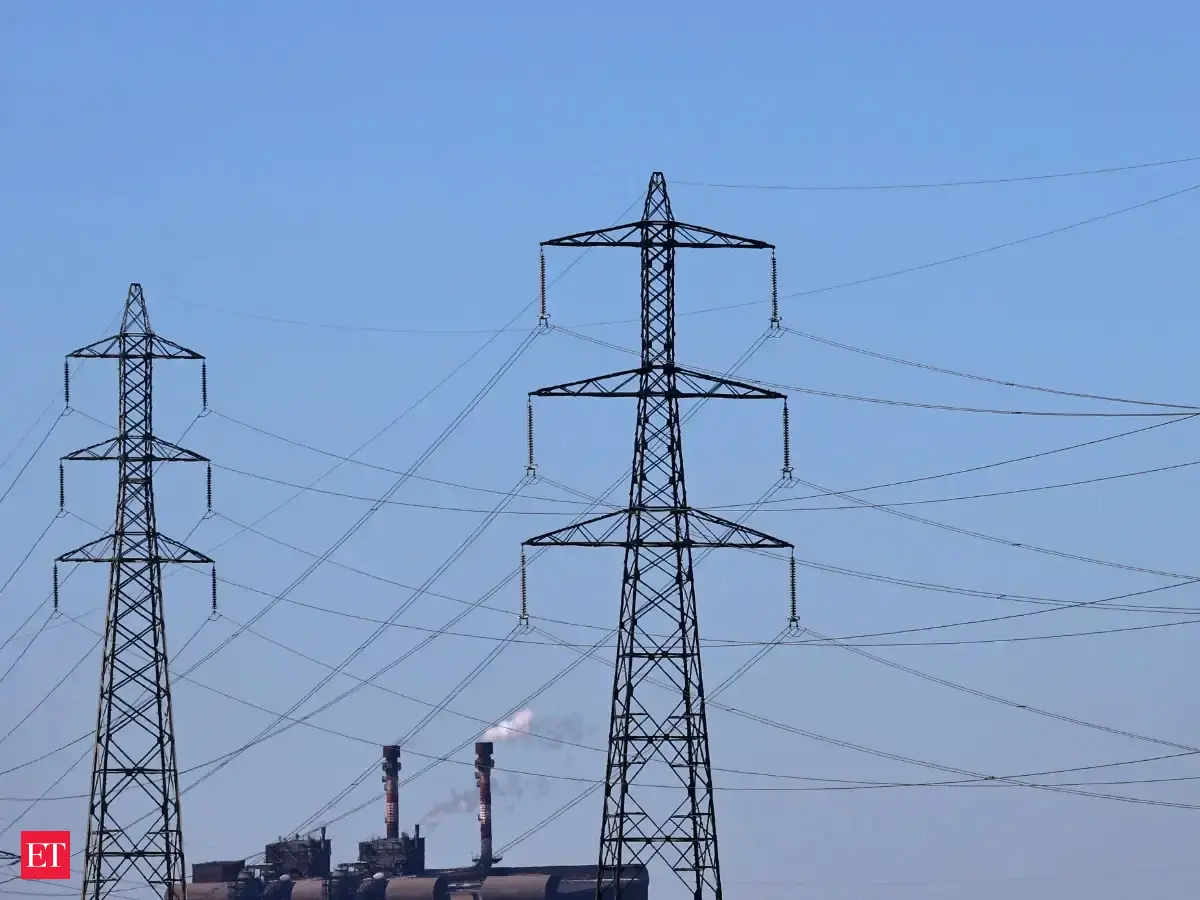
September has proven to be a challenging month for India's electricity market, with the Indian Energy Exchange (IEX) witnessing an unprecedented surge in power prices. The High Price Day-Ahead Market (HP-DAM) has reached its ceiling of ₹20 per unit on multiple occasions, a situation that reflects the ongoing imbalance between power demand and supply. This trend has raised eyebrows among consumers, policymakers, and industry stakeholders alike, prompting discussions about the implications for the broader energy landscape in India.
The current surge in power prices can be attributed to a combination of strong demand and tight supply. As the country grapples with a growing population and increasing economic activities, the demand for electricity has surged. The summer months typically see a spike in energy consumption due to the use of air conditioning and other cooling appliances. However, this year, the demand has remained robust even into September, driven by high temperatures and a return to normalcy in economic activities post-pandemic.
On the supply side, several factors have contributed to the constrained availability of electricity. A significant portion of India’s power generation comes from coal, and the country has been facing challenges in coal supply due to logistical issues and increased global coal prices. Additionally, renewable energy sources, while expanding, have not yet filled the gap sufficiently to meet the soaring demand. The result is a tight market where power generation struggles to keep pace with consumption.
The surge in IEX power prices has immediate implications for both consumers and businesses. For households, higher electricity prices can lead to increased utility bills, especially for those who rely heavily on electricity for daily activities. This situation can disproportionately affect low-income households, making it crucial for policymakers to consider measures to mitigate the impact.
For businesses, the situation is equally concerning. Industries that are energy-intensive, such as manufacturing and technology, may face increased operational costs due to rising electricity prices. This could potentially lead to a ripple effect, impacting pricing strategies and profit margins. As a result, companies may need to explore alternative energy solutions or efficiency measures to manage their electricity costs effectively.
The Indian government has been closely monitoring the situation in the electricity market. Efforts to increase coal production and improve logistics are underway, but the transition to a more sustainable and reliable energy mix is a long-term goal. The government has also been promoting the adoption of renewable energy sources, aiming to reduce dependence on coal and enhance energy security.
As the market adjusts to these dynamics, stakeholders are optimistic that prices may stabilize in the coming months. However, uncertainties remain, particularly with the potential for further demand spikes as the economy continues to recover and expand. Industry experts suggest that a diversified energy portfolio, including investments in renewable energy and energy storage solutions, will be critical in navigating future challenges.
The Indian Energy Exchange plays a crucial role in the functioning of the electricity market, providing a platform for buyers and sellers to trade power efficiently. The recent price hikes have highlighted the importance of the HP-DAM in balancing supply and demand. As market participants adjust their strategies in response to price signals, the exchange will continue to be a key player in ensuring a transparent and liquid market.
Furthermore, the IEX's commitment to improving market mechanisms and introducing innovative products will be essential in enhancing market efficiency. As the energy landscape evolves, market participants must adapt to the changing dynamics, leveraging technology and data analytics to make informed decisions.
The rise in IEX power prices to ₹20 per unit underscores the complex interplay of demand and supply in India's electricity market. As stakeholders navigate this challenging environment, it is clear that both immediate actions and long-term strategies will be necessary to achieve a balance that supports sustainable growth. The transition to a more resilient energy system is not just a necessity; it is an opportunity for India to lead in the global energy transition, ensuring that the energy needs of its population are met while fostering economic growth and environmental sustainability.


Loading more news...
You've reached the end of our news feed. Check back later for more updates!