
Business
बांग्लादेश में बढ़ा तनाव! मुहम्मद यूनुस के पैतृक घर में लगी आग, ग्रामीण बैंक की 37 शाखाएं भी निशाने पर
November 19, 2026
1,452 views
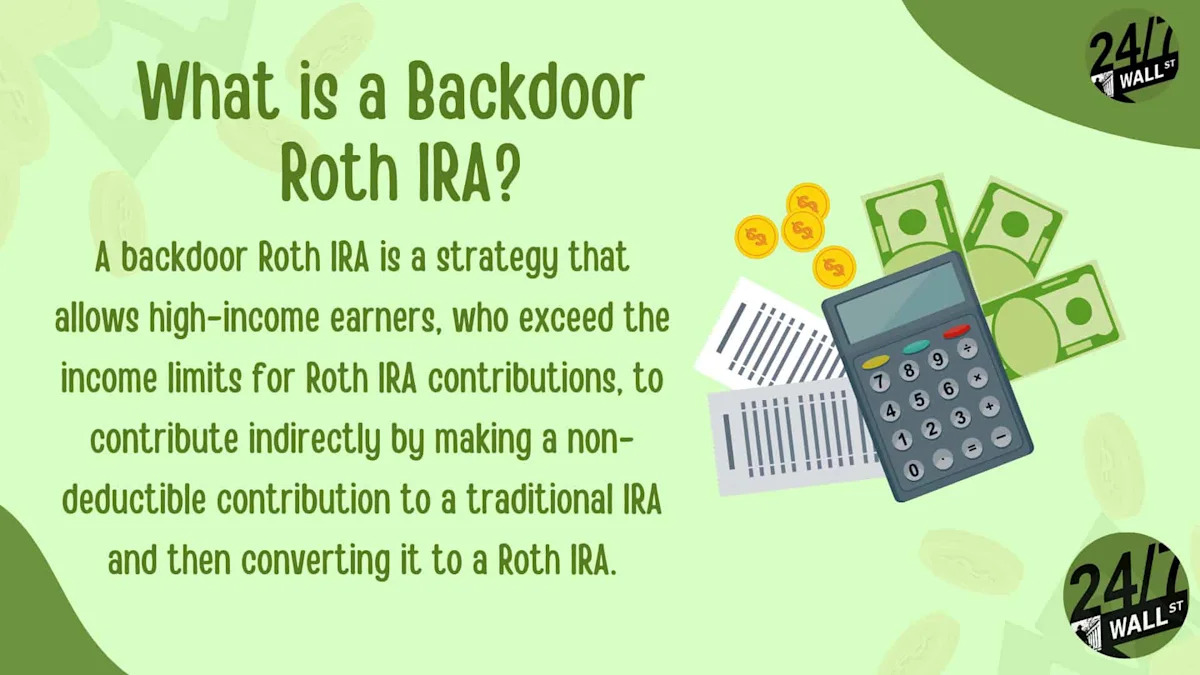
In the world of personal finance, the Roth IRA stands out as a powerful tool for wealth accumulation and tax-free growth. However, for high earners, directly contributing to a Roth IRA is often not an option due to income ceilings imposed by the IRS. As the financial landscape evolves, savvy investors are seeking legal avenues to maximize their retirement savings. The backdoor Roth IRA strategy has emerged as a popular workaround for high-income individuals looking to take advantage of the numerous benefits that Roth IRAs offer.
The Roth IRA allows for tax-free growth and tax-free withdrawals in retirement, making it an attractive option for many investors. One of the standout features of the Roth IRA is that qualified distributions are not taxed, unlike traditional IRAs where withdrawals are subject to ordinary income tax. This can significantly enhance the overall return on investment, especially for assets with high growth potential.
For instance, NVIDIA, a leading tech company, has seen a staggering 10-year return of 13,763%. When this growth occurs within a Roth IRA, it accumulates entirely tax-free, making investments like NVDA a top pick for those employing the backdoor strategy. Given the rapid advancements in technology and the stock market's volatility, harnessing the power of a Roth IRA can be a game-changer for high-net-worth individuals aiming to secure their financial future.
One of the key considerations when using the backdoor Roth IRA strategy is the pro-rata rule, which dictates how conversions from traditional IRAs to Roth IRAs are taxed. The pro-rata rule states that if an individual has multiple IRAs with both pre-tax and after-tax contributions, the IRS will tax any conversions proportionally based on the total balance of all IRAs. This can lead to unexpected tax liabilities for those who may not be aware of how the pro-rata rule operates.
For high earners wishing to convert their traditional IRAs into a Roth IRA, this rule means that the tax burden could potentially be higher than anticipated. Therefore, it is crucial to strategize and possibly roll old IRAs into a 401(k) first. By consolidating retirement accounts, individuals can minimize the impact of the pro-rata rule and make the backdoor Roth IRA conversion process cleaner and more tax-efficient.
As Congress has removed the income ceiling on Roth IRA conversions, high earners are now able to utilize the backdoor Roth IRA strategy without restrictions. This method involves two main steps: first, making a non-deductible contribution to a traditional IRA, and second, converting that traditional IRA to a Roth IRA. This strategy effectively bypasses the income limits normally associated with direct Roth IRA contributions, enabling high-income earners to reap the benefits of a Roth.
To implement this strategy, high earners should ensure that they do not have significant pre-tax balances in traditional IRAs, as this could trigger the pro-rata rule and complicate the conversion. By rolling over old IRAs into a 401(k), individuals can start with a clean slate and fully enjoy the tax-free growth potential of their Roth IRA.
Executing the backdoor Roth IRA strategy involves several key steps:
As the financial landscape continues to change, understanding the mechanisms behind retirement accounts is vital for high earners. The backdoor Roth IRA strategy not only allows individuals to circumvent income limitations but also enhances their retirement planning by providing a tax-efficient growth vehicle. By leveraging the benefits of Roth IRAs, high-income earners can craft a more secure financial future.
In conclusion, while high earners face restrictions on direct contributions to Roth IRAs, the backdoor Roth IRA strategy presents a viable, legal workaround. By understanding the implications of the pro-rata rule and strategically managing their retirement accounts, individuals can enjoy the unparalleled benefits of tax-free growth and withdrawals in retirement. As always, consulting with a financial advisor is recommended to navigate the complexities of retirement planning.


Loading more news...
You've reached the end of our news feed. Check back later for more updates!