
Politics
Tamil Nadu: DMK holds vote share despite bypoll defeats, weakened alliance
October 10, 2026
3,136 views
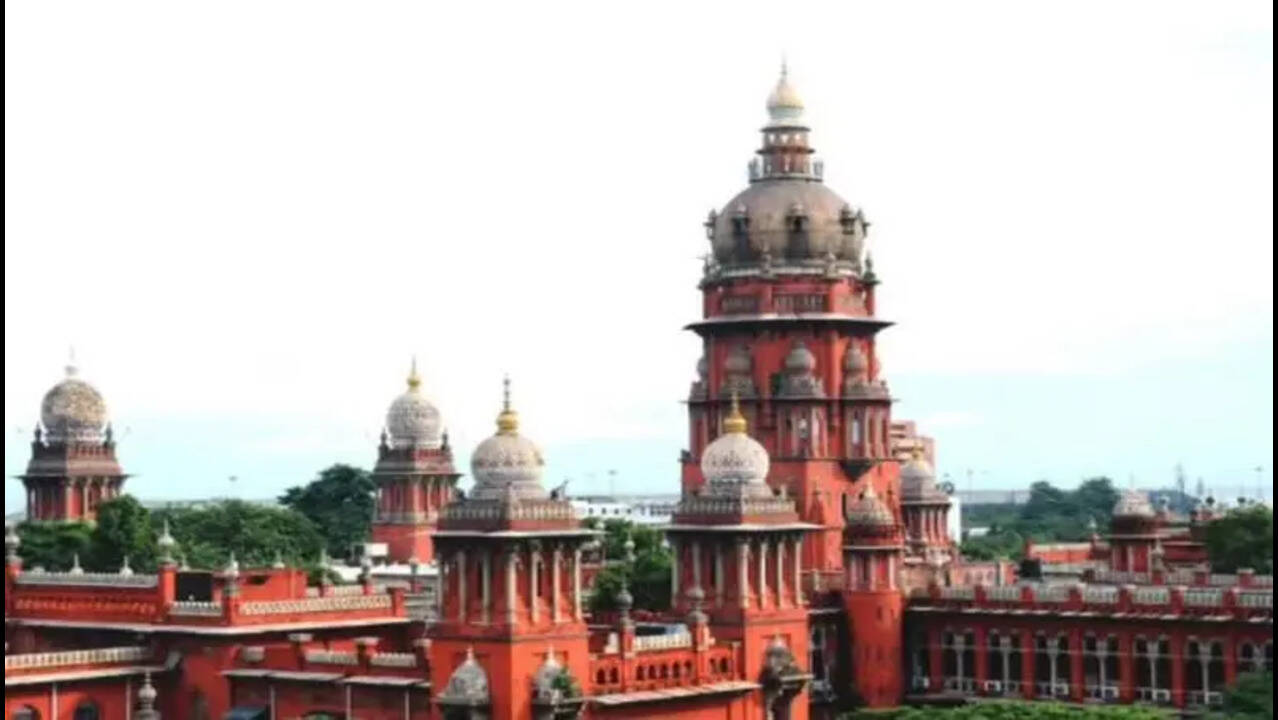
Chennai: The Madras High Court has recently issued a directive to the Election Commission of India (ECI) to provide a detailed explanation regarding the actions taken on a complaint filed by former DMK minister K R Periyakaruppan. This complaint revolves around a controversial one-vote loss he experienced during the recent elections, an incident that has raised questions about the integrity of the electoral process.
K R Periyakaruppan, a prominent figure in the Dravida Munnetra Kazhagam (DMK) party, has been vocal about his grievances following the election results that saw him losing by a mere one vote. In his complaint, he alleged discrepancies in the voting process and potential irregularities that might have influenced the outcome. The significance of a single vote in a closely contested election underscores the gravity of his claims and the need for a thorough investigation.
The Madras High Court's ruling emphasizes the role of the ECI in ensuring free and fair elections. By asking the ECI to explain the actions taken in response to Periyakaruppan's complaint, the court aims to uphold the democratic principles that govern the electoral process. This request not only highlights the importance of transparency but also serves as a reminder that every vote counts, reinforcing the faith of the public in the electoral system.
The Election Commission of India has a crucial responsibility to address complaints related to electoral integrity. The court's directive could lead to increased scrutiny of the ECI’s processes and the mechanisms in place for addressing grievances. If Periyakaruppan's claims are substantiated, there could be broader implications for the electoral framework in Tamil Nadu and potentially across India, prompting the ECI to review and strengthen its operational protocols.
The political landscape in Tamil Nadu is deeply intertwined with the outcomes of elections, and reactions to this court order have been swift. Various political analysts and commentators have weighed in on the potential ramifications of this case. Some view it as a necessary step towards accountability, while others fear it may lead to political unrest if the findings are not in favor of the ruling party. The DMK, which has seen a resurgence in recent years, may face challenges if the allegations of electoral discrepancies are proven true.
Public opinion regarding the electoral process is a vital aspect of democracy. This case has sparked discussions among voters about the importance of each vote and the mechanisms in place to ensure that elections are conducted fairly. Citizens are increasingly calling for reforms that would enhance the transparency and accountability of the electoral process. The court's involvement may serve to bolster public confidence in the system, provided that the ECI responds adequately to the court's directive.
In light of the court's request, the ECI is expected to conduct a thorough review of the complaint and provide a comprehensive response detailing the actions taken. The commission may need to examine the specific voting procedures in place during the election, review any reported irregularities, and assess the overall integrity of the electoral process in the affected constituency. This situation presents an opportunity for the ECI to reinforce its commitment to upholding democratic values.
The Madras High Court's directive to the ECI is a pivotal moment in the ongoing dialogue about electoral integrity in India. As the court awaits a detailed response from the ECI regarding the complaint by K R Periyakaruppan, the outcome of this case could have lasting implications for future elections in Tamil Nadu and beyond. It serves as a reminder of the critical importance of every single vote in shaping the political landscape of the nation. The eyes of the public and political analysts will undoubtedly be on how the ECI handles this matter and the steps it takes to ensure that the electoral process remains transparent and fair.
Loading more news...
You've reached the end of our news feed. Check back later for more updates!