
Politics
धरना-प्रदर्शनों का नया कारोबार: लोकतंत्र की आड़ में आखिर किसके हित साधे जा रहे हैं?
October 10, 2026
1,612 views
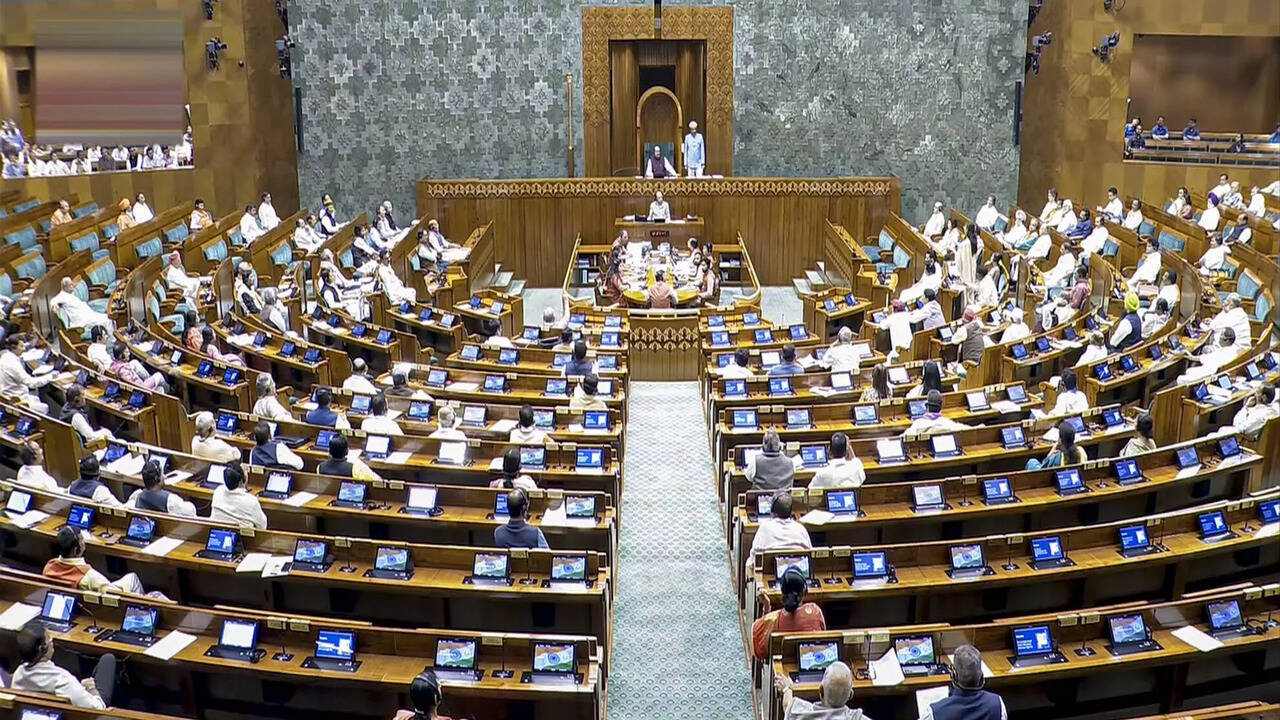
In a surprising turn of events, the Lok Sabha has defeated a crucial Constitution Amendment Bill aimed at implementing 33% reservation for women in legislative bodies by 2029. The bill's failure marks the first legislative defeat for the Modi government, with significant implications for women's rights in India. Despite support from 298 members, the bill fell short of the required two-thirds majority, leading to a heated debate among political leaders. The government has vowed to continue its efforts for women's rights, while opposition parties celebrate the bill's rejection. This article delves into the details of the voting, key players involved, and the broader implications of this legislative setback.
The Women's Reservation Bill has been a topic of intense discussion and debate in India for decades. Originally proposed in 1996, the bill aimed to reserve 33% of seats for women in the Lok Sabha and state legislative assemblies. Advocates argue that such measures are essential to ensure women's representation in politics, which has historically been dominated by men. The failure of this bill is particularly poignant given the ongoing discussions about gender equality and women's empowerment in the country.
The vote took place amidst high expectations from various quarters. Supporters of the bill believed that this was a significant step towards achieving gender parity in political representation. However, despite receiving backing from 298 members of the Lok Sabha, the bill ultimately fell short of the two-thirds majority required for its passage. The final tally revealed a divide among political parties, with some key allies of the ruling BJP expressing reservations about the bill's implications for their constituencies.
The defeat of the Women's Reservation Bill has sparked a flurry of reactions across the political spectrum. Government officials expressed disappointment, emphasizing their commitment to advancing women's rights despite this setback. Prime Minister Narendra Modi and other leaders have reiterated their dedication to empowering women, promising to revisit the issue in the future. On the other hand, opposition parties have seized the opportunity to criticize the government, arguing that its failure to secure the bill's passage reflects a lack of genuine commitment to women's issues.
Opposition leaders celebrated the bill's rejection as a victory for their stance against what they describe as hasty legislative processes. They argue that the government should prioritize a more comprehensive approach to women’s issues, rather than implementing reservation policies that may not address the underlying societal challenges. This sentiment has resonated with various women's rights organizations that advocate for a holistic approach to gender equality.
The defeat of the Women's Reservation Bill raises significant questions about the future of women's rights in India. Activists and advocates remain undeterred, vowing to continue their fight for representation and equality. Many believe that this setback may catalyze a more extensive movement for women's rights, pushing for not just reservation but also reforms in education, healthcare, and social justice for women.
The recent defeat of the Women's Reservation Bill in the Lok Sabha underscores the challenges that continue to plague gender equality initiatives in India. As the government pledges to persist in its efforts, the political landscape remains charged with debate and dissent. The road ahead may be fraught with obstacles, but the collective voices advocating for women's rights will undoubtedly shape the narrative in the coming years. This legislative setback has not only highlighted the necessity for greater political representation for women but has also ignited a renewed discourse on the importance of equality in all spheres of life.
As the discussion around women's rights continues, it is imperative for citizens, activists, and political leaders to engage in meaningful dialogue and advocacy. The fight for gender equality is far from over, and it requires a concerted effort from all stakeholders to ensure that the voices of women are heard and represented in every aspect of society.


Loading more news...
You've reached the end of our news feed. Check back later for more updates!