Science
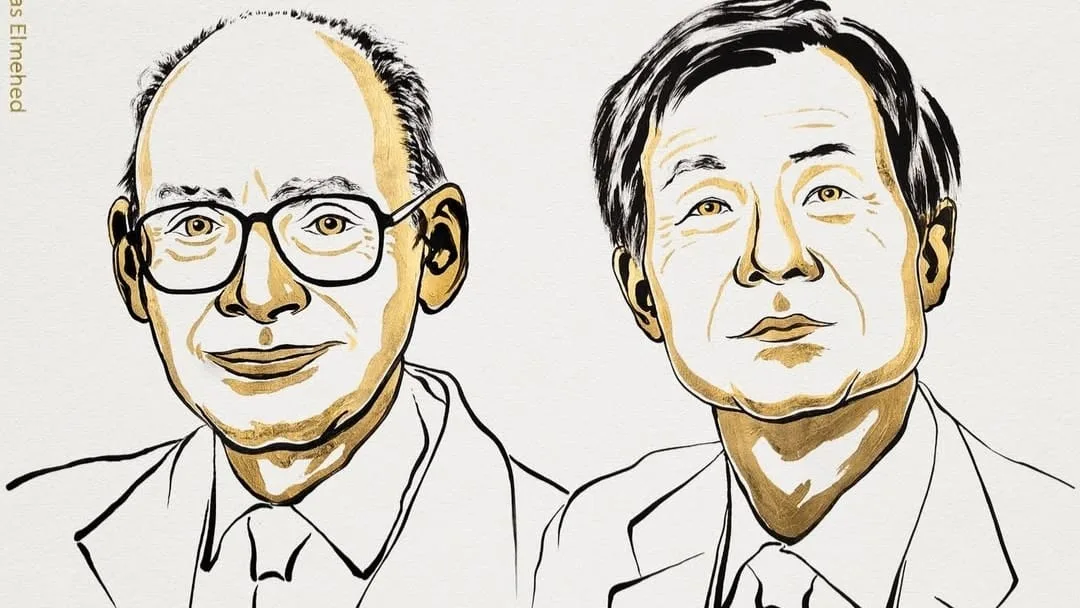
Henri Kagan wins Nobel Prize at 95: Check out his contributions to chemistry and pharmacy
October 9, 2026
2,834 views

Recent research has unveiled the intricate relationship between our personal traits and the external events that shape our dreams. This groundbreaking study, conducted by a team of psychologists, suggests that the content of our dreams is not merely a byproduct of our subconscious mind but is significantly influenced by our daily experiences and personality characteristics.
The study involved a diverse group of participants who were asked to maintain a dream journal over a period of two weeks. Each participant recorded their dreams immediately upon waking, detailing the events, emotions, and characters that appeared in their dream narratives. Alongside this, they completed a series of psychological assessments designed to evaluate their personality traits, such as openness, conscientiousness, extraversion, agreeableness, and neuroticism.
One of the most striking findings of the study was the significant correlation between certain personality traits and the themes present in dreams. For instance, individuals with high levels of openness reported more vivid and imaginative dreams, often featuring fantastical elements and unusual scenarios. In contrast, those scoring high on the conscientiousness scale tended to experience more structured and organized dreams, reflecting their methodical approach to life.
The study also highlighted how external events and emotional states during waking hours play a critical role in shaping dream content. Participants who experienced significant life changes, such as a job loss or a relationship breakup, reported dreams that mirrored their emotional turmoil. This suggests that dreams may serve as a processing tool, helping individuals to navigate their feelings and cope with stressors.
Furthermore, the research found that individuals with higher levels of anxiety and stress often experienced nightmares or distressing dreams. These dreams frequently involved themes of being chased, falling, or losing control, reflecting the individual's waking concerns. This connection between waking life stressors and dream content underscores the idea that dreams may act as a psychological safety valve, allowing for the release of pent-up emotions and anxieties.
The implications of these findings for mental health are profound. Understanding the connection between personality traits, external events, and dream content could provide valuable insights for therapists and counselors. By exploring the themes present in a client's dreams, professionals may gain a deeper understanding of their emotional state and underlying issues.
Incorporating dream analysis into therapeutic practices could enhance treatment outcomes for individuals struggling with anxiety, depression, or trauma. For example, therapists might encourage clients to keep dream journals as a way to facilitate discussions about their emotions and experiences. This approach could help clients articulate feelings they may find difficult to express in waking life.
In summary, the recent study sheds light on the complex interplay between personal traits, external events, and dream content. As we delve deeper into the psychology of dreaming, it becomes increasingly clear that our dreams are not just random images and narratives but are deeply connected to our experiences and emotional states. This research opens new avenues for understanding the human psyche and highlights the potential of dreams as a therapeutic tool.
As this field of study continues to evolve, future research could explore how cultural factors and life experiences influence dream content across different populations. Additionally, longitudinal studies could provide further insights into how dreams change over time in response to significant life events or personal growth. Such research could ultimately deepen our understanding of both dreaming and the human experience.


Loading more news...
You've reached the end of our news feed. Check back later for more updates!