
Science
Henri Kagan wins Nobel Prize at 95: Check out his contributions to chemistry and pharmacy
October 9, 2026
2,834 views
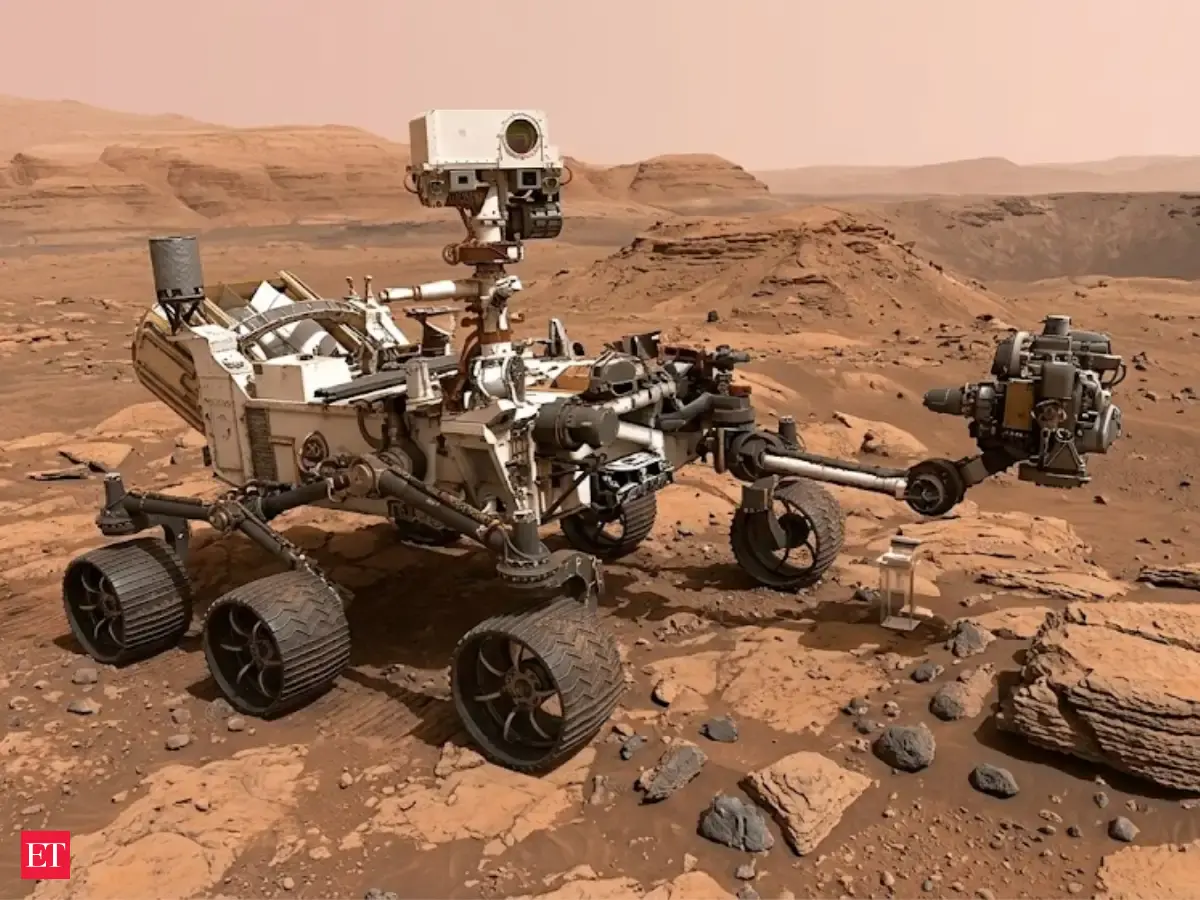
NASA's Curiosity rover has made a remarkable discovery on the surface of Mars, uncovering more than 20 organic molecules, which include structures resembling proto-DNA. This significant finding comes from the rover's extensive exploration of Gale Crater, a region that has been the focus of much scientific inquiry due to its potential to reveal the planet's ancient environmental conditions.
Organic molecules are essential building blocks for life as we know it, and their presence on Mars raises intriguing questions about the planet's past. The discovery of these molecules suggests that Mars may have once had the right conditions to support life. Scientists believe that some of the organic material found could have been delivered to Mars via meteorites, which may have brought with them the necessary components for life to develop.
Since its landing in Gale Crater in August 2012, the Curiosity rover has been on a mission to explore the Martian landscape and gather data about its geology and climate. The rover has traveled over 14 miles, analyzing rock samples and taking images of the terrain. Throughout its journey, Curiosity has provided invaluable insights into the planet's history, revealing evidence of ancient riverbeds, lakes, and even conditions that could have been hospitable to microbial life.
The recent findings add another layer to our understanding of Mars. By identifying these organic molecules, Curiosity has opened new avenues for research and exploration. Scientists are now tasked with investigating the origins of these molecules and what they imply about the planet's capacity to support life.
The discovery of organic molecules has significant implications for future Mars missions. It reinforces the need for additional exploration to further understand the planet's habitability. NASA's Perseverance rover, which landed on Mars in February 2021, is equipped with even more advanced technology to search for signs of past life and collect samples for future return to Earth. The findings from Curiosity may guide Perseverance's mission and help prioritize areas for investigation where organic molecules are likely to be found.
Moreover, the ongoing research into Mars' organic molecules could influence the design of future missions aimed at exploring other celestial bodies in our solar system, particularly those that may have similar conditions to early Earth.
The discovery of organic molecules on Mars by the Curiosity rover marks a pivotal moment in the exploration of our neighboring planet. It opens up exciting possibilities for understanding the history of Mars and the conditions that may have supported life. As scientists analyze these findings, they are reminded of the vast potential that lies within our solar system.
With every new discovery, the mystery of Mars deepens, and the quest to answer the question of whether we are alone in the universe continues. The future of Mars exploration looks promising, and as technology advances, our ability to probe the secrets of the Red Planet will only improve.


Loading more news...
You've reached the end of our news feed. Check back later for more updates!