Politics
Ajit Pawar's death casts shadow on zilla parishads, panchayat samiti polls; voting moved to February 7, counting on Feb 9
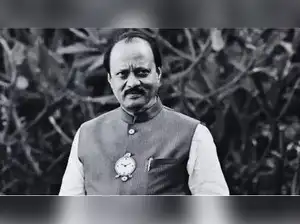
The sudden demise of NCP leader Ajit Pawar has cast a significant shadow over the upcoming elections for Zilla Parishads and Panchayat Samitis across Maharashtra. In a somber development, the Maharashtra State Election Commission has announced the postponement of these crucial local body polls, with voting now scheduled to take place on February 7th, and the counting of votes on February 9th.
The news of Ajit Pawar's passing, a prominent figure whose influence resonates deeply within the state's political landscape, has led to a period of mourning and introspection. His political acumen and deep connections across various districts were instrumental in shaping the dynamics of local governance and electoral outcomes. The decision to postpone the elections is a poignant acknowledgment of the respect and grief that his death has engendered, allowing political parties and voters alike to observe a period of solemnity.
Originally slated for an earlier date, the rescheduling of the Zilla Parishad and Panchayat Samiti elections signifies a shift in the electoral calendar, directly impacted by this unfortunate event. These local bodies are the bedrock of rural governance in Maharashtra, and their elections are keenly watched for their reflection of grassroots political sentiment and the influence of state-level leaders.
The postponement is expected to necessitate adjustments in campaign strategies and timelines for all participating political parties. Leaders and workers who were actively engaged in pre-election campaigning will now have to recalibrate their efforts. Furthermore, the extended period before voting might lead to a renewed focus on addressing key rural development issues and community concerns, as the political discourse is likely to be tinged with reflection on Pawar's contributions to Maharashtra.
The counting of votes, now set for February 9th, will follow the revised polling date. The outcome of these elections will be a significant indicator of the political mood in the rural heartland of Maharashtra and will undoubtedly be analyzed in the context of the prevailing political atmosphere following Ajit Pawar's untimely death. The coming weeks will see a renewed engagement with the electoral process, albeit under the shadow of grief, as the state prepares to elect its local representatives.
The news of Ajit Pawar's passing, a prominent figure whose influence resonates deeply within the state's political landscape, has led to a period of mourning and introspection. His political acumen and deep connections across various districts were instrumental in shaping the dynamics of local governance and electoral outcomes. The decision to postpone the elections is a poignant acknowledgment of the respect and grief that his death has engendered, allowing political parties and voters alike to observe a period of solemnity.
Originally slated for an earlier date, the rescheduling of the Zilla Parishad and Panchayat Samiti elections signifies a shift in the electoral calendar, directly impacted by this unfortunate event. These local bodies are the bedrock of rural governance in Maharashtra, and their elections are keenly watched for their reflection of grassroots political sentiment and the influence of state-level leaders.
The postponement is expected to necessitate adjustments in campaign strategies and timelines for all participating political parties. Leaders and workers who were actively engaged in pre-election campaigning will now have to recalibrate their efforts. Furthermore, the extended period before voting might lead to a renewed focus on addressing key rural development issues and community concerns, as the political discourse is likely to be tinged with reflection on Pawar's contributions to Maharashtra.
The counting of votes, now set for February 9th, will follow the revised polling date. The outcome of these elections will be a significant indicator of the political mood in the rural heartland of Maharashtra and will undoubtedly be analyzed in the context of the prevailing political atmosphere following Ajit Pawar's untimely death. The coming weeks will see a renewed engagement with the electoral process, albeit under the shadow of grief, as the state prepares to elect its local representatives.