
Business
बांग्लादेश में बढ़ा तनाव! मुहम्मद यूनुस के पैतृक घर में लगी आग, ग्रामीण बैंक की 37 शाखाएं भी निशाने पर
November 19, 2026
1,452 views
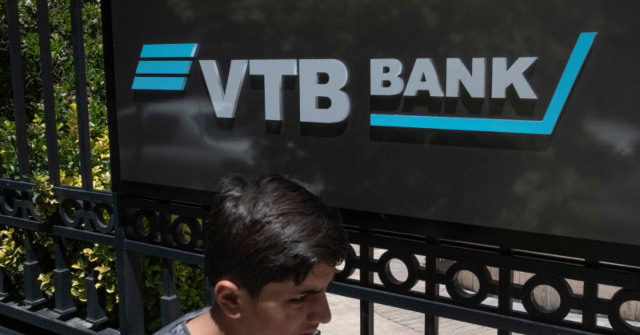
In a significant development in international financial regulation, the U.S. Treasury Department’s Office of Foreign Assets Control (OFAC) has imposed sanctions on VTB Bank, one of Russia's major financial institutions. This action is part of the broader initiative known as Operation Economic Outcast, aimed at curtailing financial networks that facilitate the evasion of sanctions against Iran. The decision underscores the U.S. government's commitment to enforce sanctions and to disrupt financial systems that undermine international law.
VTB Bank, established in 1990, is one of the largest banks in Russia and boasts a network of over one thousand branches worldwide. It provides a range of financial services, including corporate banking, investment banking, and asset management. However, its significant global presence has raised concerns regarding its potential role in facilitating illicit financial activities, particularly in relation to Iran.
With operations in numerous countries, VTB Bank has been accused of supporting various entities that are under U.S. sanctions. The bank's vast infrastructure allows it to operate in jurisdictions where regulatory oversight may be weaker, thereby enabling it to assist in the evasion of economic restrictions placed on nations such as Iran.
Operation Economic Outcast is a strategic initiative by the U.S. Treasury designed to identify and sanction individuals and entities that provide material, technological, or financial support to adversarial nations. The operation has a particular focus on those entities that contribute to the Iranian economy, which has been heavily impacted by U.S. sanctions aimed at curtailing its nuclear program and regional activities.
This latest round of sanctions against VTB Bank exemplifies the aggressive stance the U.S. is taking to combat sanction evasion. Officials have indicated that such measures are not only intended to penalize the offending institutions but also to deter others from engaging in similar activities. By disrupting financial flows that support sanctioned regimes, the U.S. hopes to weaken their ability to engage in activities that threaten international stability.
The sanctions on VTB Bank may have widespread implications for global finance, especially for institutions that deal with Russian banks or Iranian entities. Financial institutions worldwide may need to reassess their exposure to these markets and the risks associated with potential sanctions violations. This development also serves as a reminder to banks and corporations about the importance of compliance with U.S. sanctions, as violations can lead to severe financial penalties and reputational damage.
For many financial institutions, navigating the complexities of sanctions compliance can be challenging. Banks must implement robust compliance programs to monitor transactions and identify potential risks associated with sanctioned entities. The sanctions on VTB Bank highlight the necessity for financial institutions to remain vigilant and proactive in their compliance efforts to avoid inadvertently facilitating sanctions evasion.
The reaction to the U.S. sanctions has been mixed. Some nations have expressed support for the U.S. stance, emphasizing the need for a unified approach to sanctions enforcement. Others, particularly those with closer ties to Russia or Iran, have criticized the sanctions as a form of economic coercion that undermines sovereignty and international trade.
The imposition of sanctions often escalates diplomatic tensions between the U.S. and the targeted nations. In this case, Russia has condemned the sanctions as unjust and a violation of international law, arguing that they disproportionately affect innocent citizens and hinder economic development. As the geopolitical landscape becomes increasingly polarized, international relations may become strained as countries take sides on issues of sanctions and economic policy.
Looking ahead, the U.S. Treasury's commitment to enforcing sanctions will likely remain strong as long as the geopolitical landscape continues to present challenges. Operation Economic Outcast may evolve to address new threats and adapt to changes in the international financial environment. As sanctions become a more prevalent tool of foreign policy, the need for effective enforcement and compliance mechanisms will be critical.
Ultimately, the sanctions against VTB Bank reflect a long-term strategy aimed at altering the behavior of nations that engage in activities contrary to international norms. By targeting financial institutions that facilitate such behaviors, the U.S. hopes to create a ripple effect that discourages other entities from engaging in similar actions. The outcome of this strategy remains to be seen, but its implications for global finance and international relations are profound.
As the world watches closely, the U.S. Treasury's actions will serve as a benchmark for how nations approach sanctions enforcement and compliance in the ever-evolving landscape of global finance.


Loading more news...
You've reached the end of our news feed. Check back later for more updates!