
Politics
Tamil Nadu: DMK holds vote share despite bypoll defeats, weakened alliance
October 10, 2026
3,136 views
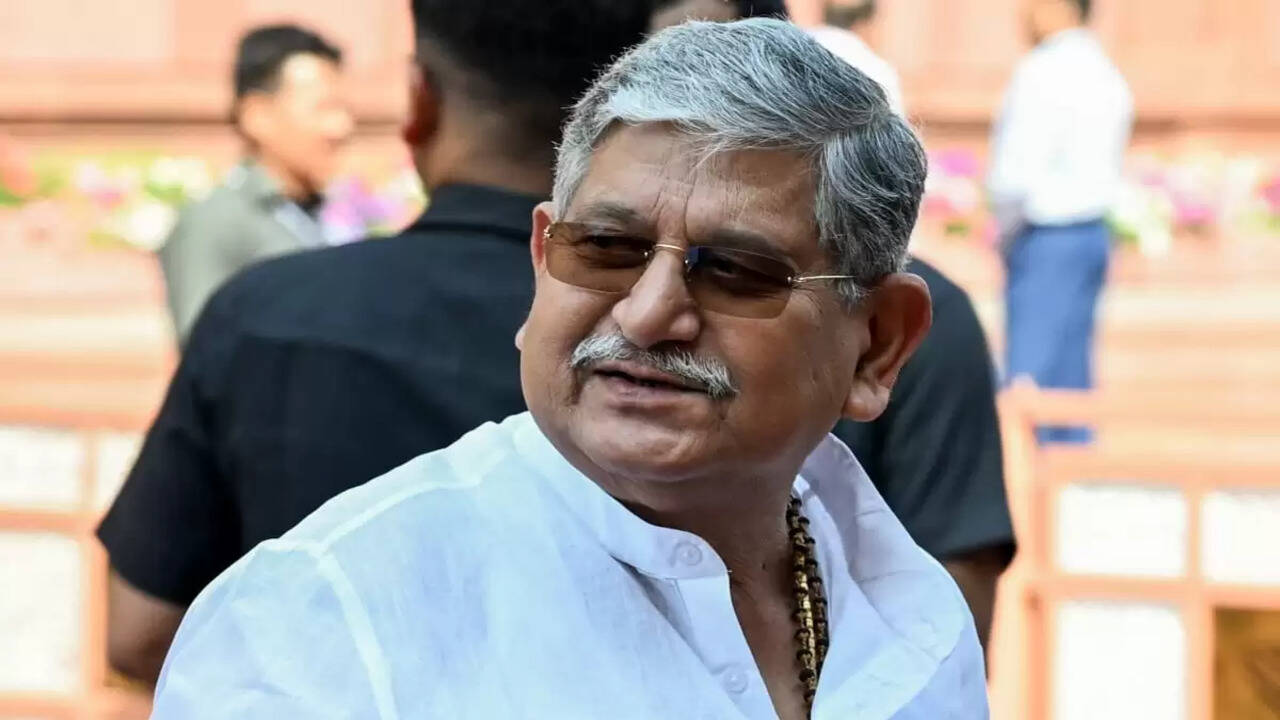
In a strong statement that reverberated across political circles, Union Minister Rajeev Ranjan Singh has vocally condemned the opposition for their deliberate obstruction of the Constitution (One Hundred Thirty-First Amendment) Bill. This proposed legislation is designed to significantly enhance women's representation in Parliament by providing a 33% reservation specifically for women. Singh's comments come in the wake of the BJP-led government's inability to secure the necessary majority to pass this critical bill, which many see as a pivotal step toward women's empowerment in India.
The failure to pass the Women's Empowerment Bill has dire implications for gender representation in Indian politics. Singh pointed out that this setback not only undermines the efforts to elevate women's voices in legislative processes but also represents a significant historical regression for women's rights in the country. With women making up nearly half of the electorate, the decision to block the bill may have profound consequences for the opposition parties, particularly as they head into future elections.
Singh asserted that the opposition's actions would not go unnoticed by female voters. He predicted a strong political backlash against those who voted against the bill, suggesting that women across the nation would respond at the polls. "This is not just a legislative failure; it is a failure of commitment to women's empowerment," Singh stated, emphasizing that the current political maneuvering could lead to a significant shift in voter sentiment among women.
The reaction from the public and political analysts has been mixed. Many women's rights activists have expressed their disappointment and anger over the opposition's stance, viewing it as a betrayal of women's rights. Historical context is crucial here; the fight for women's representation in India has been ongoing for decades, and the Constitution (One Hundred Thirty-First Amendment) Bill was seen as a beacon of hope for many. Singh's comments reflect a deep-seated frustration within the ruling party and its supporters regarding the opposition's commitment to women's issues.
The outcome of the recent vote has revealed a significant divide in support for women's representation in politics. While the BJP has consistently advocated for the bill, the opposition parties have been accused of prioritizing political maneuvering over the empowerment of women. This divide raises critical questions about the future of women's representation in Indian politics, as the struggle for equality continues amidst a landscape marked by political rivalry and strategic decision-making.
Looking ahead, the path for women's empowerment in Indian politics remains fraught with challenges. Singh has called for a united front among political parties to push for the passage of the bill in the future. "We must transcend political differences to ensure that women have their rightful place in Parliament," he urged, highlighting the need for collaborative efforts in promoting gender equality.
The debate surrounding the Constitution (One Hundred Thirty-First Amendment) Bill is far from over. As the political landscape continues to evolve, the voices of women and their demand for representation will likely play a crucial role in shaping future electoral outcomes. The actions of the opposition have not only sparked a national conversation about women's rights but have also illuminated the critical need for legislative measures that actively promote gender equality in political representation.

Loading more news...
You've reached the end of our news feed. Check back later for more updates!