Business
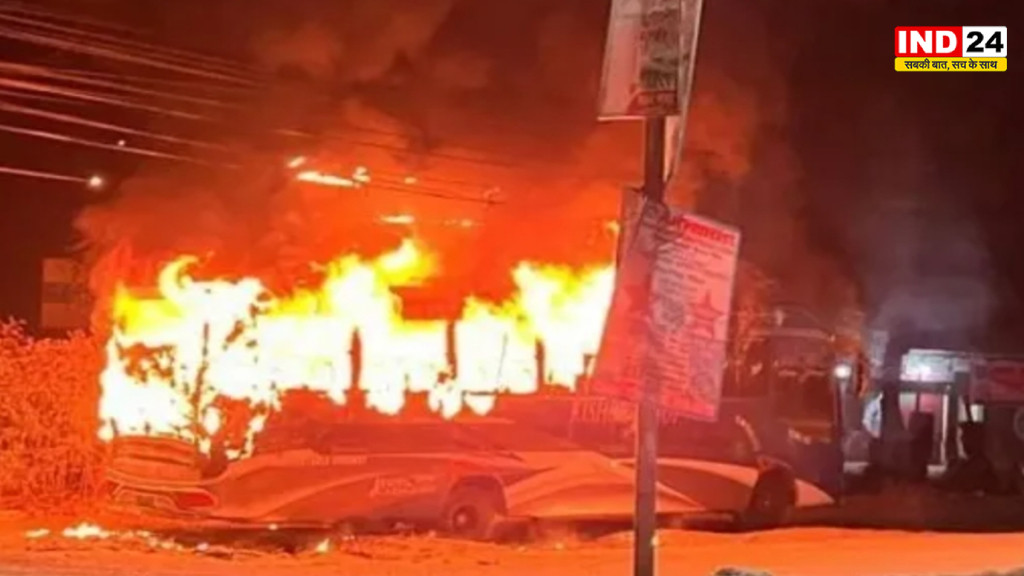
बांग्लादेश में बढ़ा तनाव! मुहम्मद यूनुस के पैतृक घर में लगी आग, ग्रामीण बैंक की 37 शाखाएं भी निशाने पर
November 19, 2026
1,452 views

In recent years, the geopolitical landscape has been dramatically reshaped by conflicts such as the U.S.–Iran and Russia–Ukraine wars. These events are not merely regional skirmishes; they have profound implications for global energy dynamics. The ongoing turmoil has brought to light significant vulnerabilities in the international energy and economic systems, revealing that energy security must now be viewed through a multifaceted lens that includes financial security, transportation logistics, military preparedness, strategic autonomy, and relationships with dominant global powers.
The Russia–Ukraine war has fundamentally altered Europe’s energy landscape. For decades, European nations relied heavily on Russian pipeline gas, creating a dependency that is now being challenged. The conflict has prompted a reevaluation of energy sources, leading to a surge in investments in alternative energy, renewable resources, and new partnerships with non-Russian suppliers. Countries are scrambling to diversify their energy portfolios to ensure stability and security in the face of potential supply disruptions.
Simultaneously, the U.S.–Iran conflict has exposed another layer of vulnerability within the global energy framework. The concentration of oil production in a few key regions, particularly in the Middle East, poses significant risks to global energy security. Any escalation in tensions can lead to price volatility and supply shortages, affecting economies far beyond the immediate conflict zone. As a result, nations are being forced to reconsider their energy strategies, seeking to minimize risk through diversification and investment in domestic energy production.
Energy security is inextricably linked to financial security. Fluctuations in energy prices can have cascading effects on national economies, impacting everything from inflation rates to the stability of financial markets. The recent spikes in oil and gas prices due to geopolitical tensions have underscored the fragility of the global economic system. Countries with strong energy independence are better positioned to withstand these shocks, while those reliant on imports find themselves at the mercy of external forces.
The transportation of energy resources has also come under scrutiny. The war in Ukraine has highlighted the vulnerabilities in existing supply chains, prompting a reassessment of logistics and transportation routes. Nations are exploring new ways to secure their energy supplies, including investing in infrastructure that supports alternative energy sources and enhances resilience against disruptions.
Moreover, military security plays a crucial role in ensuring energy security. The protection of energy infrastructure, such as pipelines and refineries, has become a strategic priority for many nations. This has led to increased military spending and collaboration among allies to safeguard energy assets from potential threats.
Strategic autonomy has emerged as a key theme in discussions about energy security. Countries are recognizing the importance of having control over their energy resources and supply chains. This shift is driving investments in renewable energy technologies and the development of local energy industries. By reducing reliance on foreign energy, nations can enhance their sovereignty and reduce exposure to geopolitical risks.
The current geopolitical climate is also fostering new alliances and partnerships. Nations are increasingly collaborating to secure energy resources and share technological advancements in energy production and consumption. These relationships are not only strategic but also economic, as countries work together to create a more stable and secure energy future.
As the world grapples with these complex challenges, the future of global energy security will depend on adaptability and innovation. The transition to a more resilient energy system will require collective action from governments, businesses, and communities. Embracing sustainability and investing in clean energy technologies will be crucial in mitigating risks and ensuring a stable energy landscape in the years to come.
In conclusion, the U.S.–Iran and Russia–Ukraine wars are catalysts for a significant transformation in how the world approaches energy security. By recognizing the interconnectedness of energy with financial, military, and transportation security, nations can build a more resilient and sustainable energy future. The path forward will demand collaboration, innovation, and a commitment to diversifying energy sources to safeguard against the uncertainties that lie ahead.


Loading more news...
You've reached the end of our news feed. Check back later for more updates!