
Politics
Tamil Nadu: DMK holds vote share despite bypoll defeats, weakened alliance
October 10, 2026
3,136 views

In a recent incident that has drawn widespread attention and sparked significant protests, a YouTuber journalist in Nepal was arrested for making critical remarks against Prime Minister Pushpa Kamal Dahal, commonly known as Prachanda. The arrest, which took place on Monday, has raised serious concerns about freedom of speech and press in the country. The journalist, who has gained popularity for his outspoken views on various political issues, was released after a public outcry and demonstrations by his supporters.
The arrest took place in the capital city of Kathmandu, where the journalist, known for his provocative commentary on social media, was taken into custody by local police. His comments about Prime Minister Prachanda's administration, particularly regarding governance and accountability, were deemed offensive by authorities. This incident has ignited a larger debate about the boundaries of free expression in Nepal, a nation that has struggled with issues related to press freedom.
As news of the arrest spread, supporters of the journalist quickly mobilized, organizing protests outside the police station where he was held. They chanted slogans demanding his release and decried what they viewed as a blatant attack on free speech. These demonstrations underscored the growing frustration among citizens regarding the government's handling of dissenting voices.
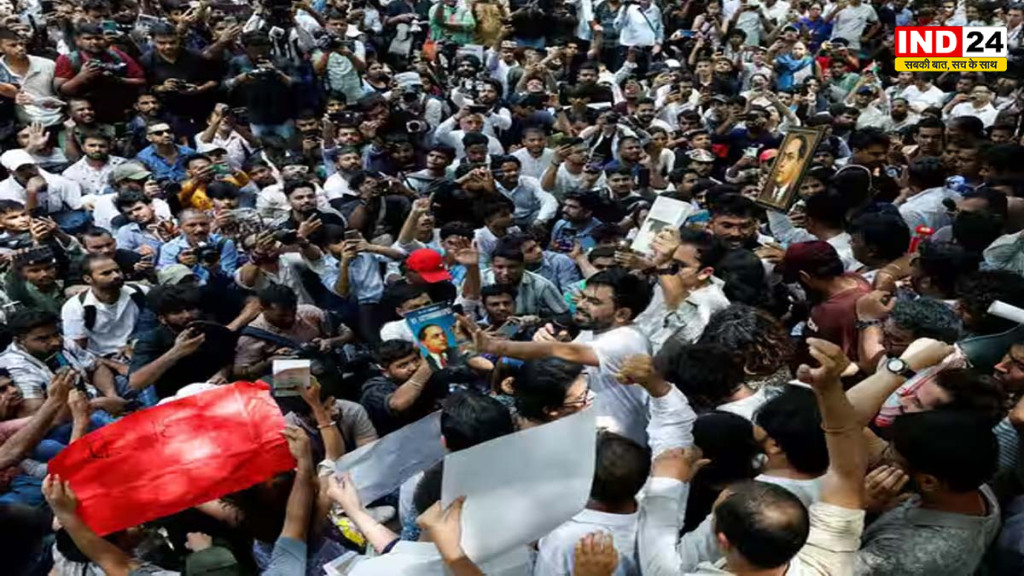
The public reaction was swift and forceful. Thousands of people took to the streets, waving banners and shouting slogans in support of the journalist. Social media platforms were flooded with messages of solidarity, with many users sharing their own experiences of censorship and repression. The protests highlighted the increasing tension between the government and the public, particularly among the youth who are becoming more vocal about their rights.
Protesters argued that the arrest was not just an attack on one individual but rather a broader threat to democracy and freedom of the press in Nepal. “We cannot allow the government to silence dissent and criticism,” said one of the protest leaders. “This is about all of us and our right to express our opinions freely.” The demonstrations continued for several days, culminating in a large rally that brought together various civil society groups and political activists.
In the face of mounting pressure, the Nepalese government eventually released the journalist. Officials stated that his arrest was necessary to maintain public order, but the decision to release him was made to ease tensions and restore calm. However, critics argue that this move reflects the government’s acknowledgment of its missteps rather than a genuine commitment to upholding democratic principles.
Political analysts have pointed out that this incident could have lasting implications for the relationship between the media and the government in Nepal. “The government's handling of this situation will be closely watched,” said a political commentator. “If they continue to crack down on dissent, it could lead to more unrest and a further erosion of trust in public institutions.”
This incident is not an isolated one. Nepal has a complicated history regarding press freedom, with various governments attempting to control media narratives. Despite constitutional guarantees for freedom of expression, journalists often face threats, harassment, and legal challenges when reporting on sensitive issues. Organizations like Reporters Without Borders have consistently ranked Nepal poorly in terms of press freedom, citing concerns about self-censorship and government intimidation.
The rise of digital media, including platforms like YouTube, has provided new avenues for journalists and citizens to express their views. However, it has also created challenges for traditional media outlets, which often find themselves at odds with the government. The incident involving the YouTuber journalist serves as a stark reminder of the delicate balance between freedom of expression and state authority in Nepal.
The release of the journalist following public protests may be seen as a small victory for advocates of free speech in Nepal. However, it also raises important questions about the future of journalism in the country. Will this incident lead to a more open and tolerant environment for dissenting voices, or will it reinforce a culture of fear and repression? Only time will tell.
As citizens continue to advocate for their rights and demand accountability from their leaders, the government must recognize the importance of protecting freedom of speech and the press. The recent protests reflect a significant moment in Nepal's democratic journey, one that could shape the future of civil liberties in the country.
Loading more news...
You've reached the end of our news feed. Check back later for more updates!