
Business
बांग्लादेश में बढ़ा तनाव! मुहम्मद यूनुस के पैतृक घर में लगी आग, ग्रामीण बैंक की 37 शाखाएं भी निशाने पर
November 19, 2026
1,452 views
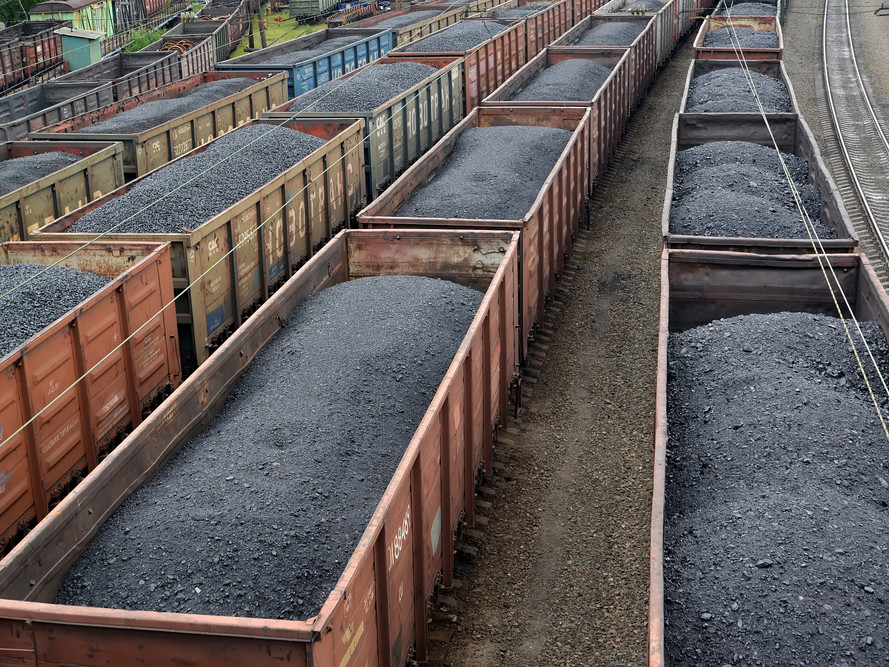
India is facing a critical energy crisis as coal stocks at numerous power plants have significantly dwindled, primarily due to ongoing logistics issues that have plagued the supply chain in recent months. In response to this alarming situation, the government is considering the implementation of a mandatory blending of imported coal at power plants, according to sources with direct knowledge of the discussions. This potential policy shift marks a significant moment for the Indian energy sector, as it would represent the first time since 2024 that the country has contemplated such a measure.
The challenges surrounding coal supply in India have escalated to a concerning level. Many thermal power plants, which are heavily reliant on coal for electricity generation, are reporting critically low stock levels. This situation has been exacerbated by logistical hurdles such as transportation delays, insufficient rail capacity, and the impact of monsoon season, which often disrupts the movement of coal. The government has recognized that addressing these coal supply challenges is essential to ensure the stability and reliability of power generation across the nation.
As part of the proposed measures, the Indian government is contemplating mandating that power plants blend up to 5% of imported coal with domestically sourced coal. This blending strategy aims to diversify the sources of coal used in power generation and mitigate the risks associated with over-reliance on domestic coal supplies. By incorporating imported coal, the government hopes to stabilize the coal supply chain and enhance the overall energy security of the country.
The introduction of a mandatory blending policy could have several implications for India's power plants and the broader energy landscape. Firstly, it may help alleviate the immediate pressures caused by dwindling coal stocks, allowing power plants to maintain operational efficiency and meet the electricity demands of consumers. Moreover, this policy could encourage power producers to explore new international coal markets, potentially leading to more competitive pricing and improved supply reliability.
While the proposed blending of imported coal may address short-term supply issues, it also raises important environmental considerations. The burning of coal, whether imported or domestic, contributes to greenhouse gas emissions and air pollution. As India grapples with its commitments to reduce carbon emissions under international climate agreements, the government must carefully weigh the benefits of blending imported coal against the potential environmental impacts. This situation presents an opportunity for India to rethink its energy strategy and invest more heavily in renewable energy sources as a long-term solution.
Looking ahead, the Indian government is likely to continue exploring various initiatives to bolster the coal supply chain and ensure energy security. In addition to the blending mandate, authorities may implement measures to enhance the efficiency of coal transportation, invest in infrastructure improvements, and promote the use of alternative energy sources. As discussions surrounding mandatory coal blending evolve, stakeholders in the energy sector will be closely monitoring the developments and potential outcomes of these policy changes.
The prospect of mandating imported coal blending at power plants signifies a critical juncture for India's energy landscape. As the government grapples with the challenges of dwindling coal stocks and logistical hurdles, this proposed policy could offer a temporary solution to stabilize the power supply. However, it also underscores the urgency for India to transition towards more sustainable energy practices in the face of environmental challenges. The decisions made in the coming months will not only impact the energy sector but also shape the future of India's commitment to a greener and more resilient energy framework.


Loading more news...
You've reached the end of our news feed. Check back later for more updates!