
Business
बांग्लादेश में बढ़ा तनाव! मुहम्मद यूनुस के पैतृक घर में लगी आग, ग्रामीण बैंक की 37 शाखाएं भी निशाने पर
November 19, 2026
1,452 views
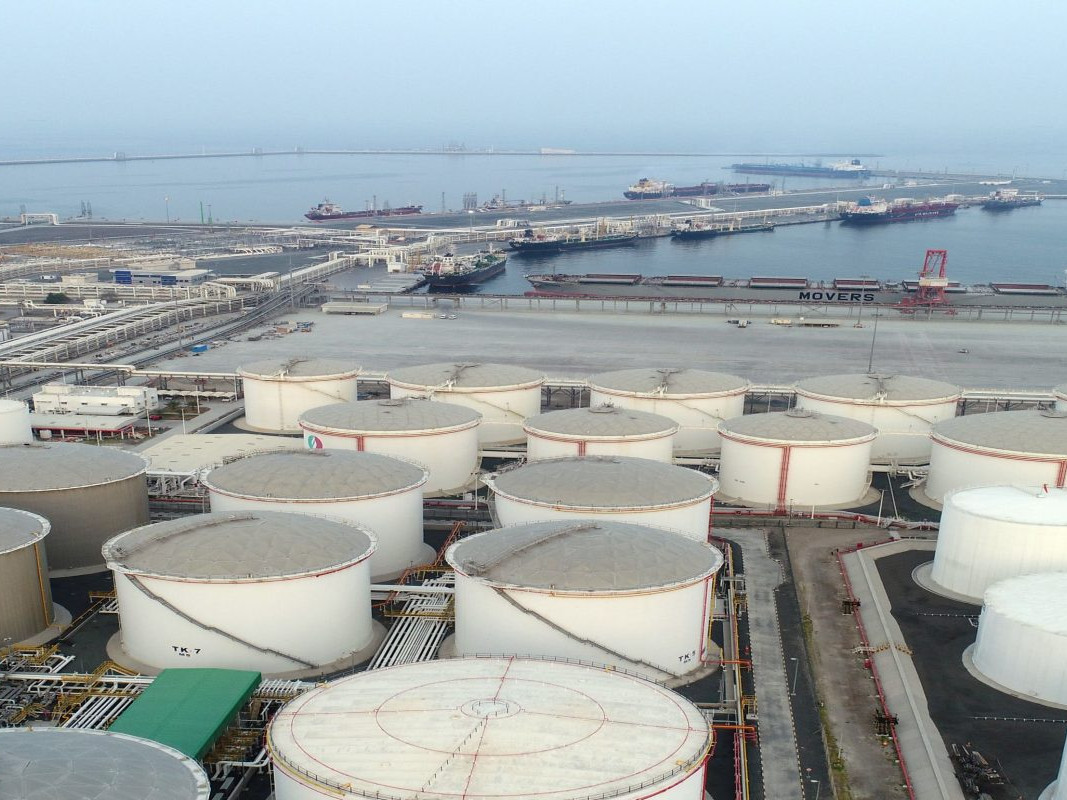
In recent months, the geopolitical landscape surrounding the Strait of Hormuz has dramatically shifted, prompting oil producers in the Middle East to implement innovative strategies to ensure the continued flow of oil. Ship-to-ship transfers and alternative pipeline routes have become increasingly vital, as tensions in the region threaten traditional export methods. The adaptability displayed by these producers in response to challenges is noteworthy, yet it underscores a harsh reality: the methods utilized to bypass the Strait of Hormuz come with significant financial implications.
The Strait of Hormuz is a narrow waterway that connects the Persian Gulf to the Arabian Sea, facilitating the passage of a substantial portion of the world’s oil supply. Approximately 20% of global oil trade transits through this strategic chokepoint. Given its importance, any disruption in this area is likely to have far-reaching consequences on global oil prices and market stability. The recent rise in regional tensions, particularly due to Houthi attacks on oil infrastructure, has led to renewed scrutiny over the vulnerability of these vital shipping lanes.
As the threat of disruption looms large, oil producers have turned to alternative solutions to keep their operations running smoothly. One of the most prominent methods employed is ship-to-ship transfers, where oil tankers transfer crude oil directly to other vessels while at sea. This method not only mitigates potential risks associated with passing through the Strait but also helps to maintain the flow of oil to international markets.
Additionally, some countries have invested in pipeline infrastructure that bypasses the Strait entirely. For instance, Saudi Arabia has utilized its East-West pipeline, which runs across the country, to transport oil directly to the Red Sea. This pipeline has proven crucial in the face of recent disruptions, such as the Houthi attacks that temporarily damaged it. The swift repairs undertaken to restore functionality highlight the urgency with which these nations are responding to external threats.
While these adaptations have allowed oil to continue flowing, they do not come without a steep price. The costs associated with ship-to-ship transfers and alternative pipeline routes can be significant. Increased logistical complexities, higher security measures, and potential delays can all contribute to elevated operational costs for oil producers. This week, in response to the news of Saudi Arabia's East-West pipeline restoration, oil prices saw a sharp decline, revealing how sensitive the market remains to developments in the region.
Market analysts suggest that while the resumption of the pipeline operation is a relief, it also indicates the ongoing volatility in oil prices related to geopolitical events. The reliance on alternative export routes may provide a short-term solution, but the long-term economic implications for producers and consumers alike remain uncertain.
Looking ahead, the situation in the Gulf region remains precarious. The persistence of hostilities and the potential for further attacks could continue to disrupt oil exports and exacerbate market instability. Countries in the region might need to further diversify their export strategies and invest in additional infrastructure to safeguard against future disruptions.
Furthermore, the global shift towards renewable energy sources poses another layer of complexity for oil producers. As the world increasingly seeks sustainable energy solutions, the demand for oil could fluctuate, altering the landscape of oil trade. Producers must not only contend with immediate threats but also anticipate future market changes.
The ongoing challenges faced by Gulf oil producers highlight the delicate balance between maintaining export levels and managing the costs associated with alternative strategies. The adaptability shown in the face of adversity is commendable, but it also serves as a reminder of the vulnerabilities that persist in the region. As the world watches closely, the stability of oil exports from the Gulf will continue to be a key factor in the global energy market.


Loading more news...
You've reached the end of our news feed. Check back later for more updates!