
Business
बांग्लादेश में बढ़ा तनाव! मुहम्मद यूनुस के पैतृक घर में लगी आग, ग्रामीण बैंक की 37 शाखाएं भी निशाने पर
November 19, 2026
1,452 views
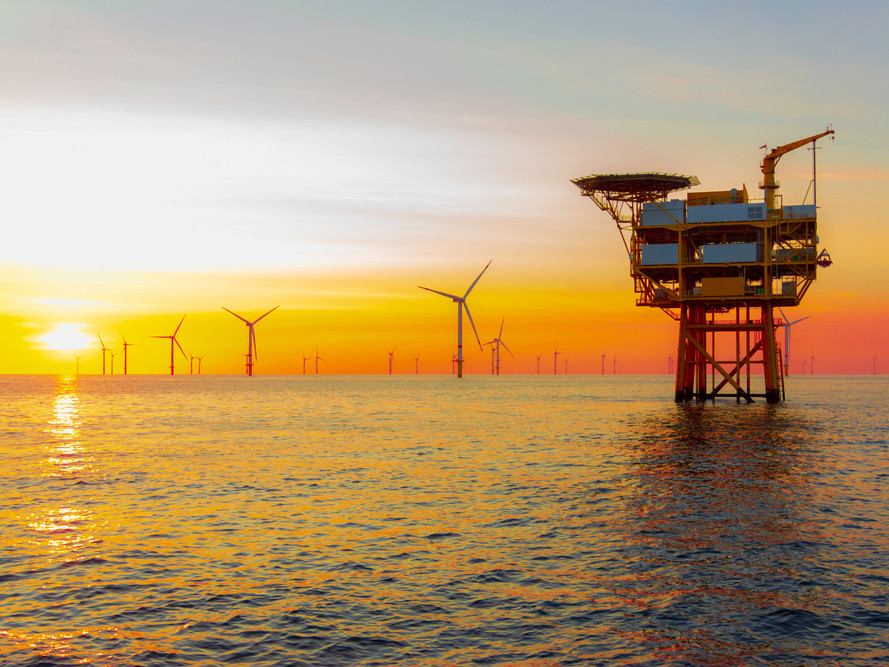
Europe’s offshore wind monopile market is currently navigating through a challenging period marked by manufacturing capacity issues and weak factory utilization. As the demand for offshore wind projects evolves, manufacturers are grappling with delays and extended timelines that are reshaping their operational landscape. The rush to establish larger manufacturing facilities, designed to accommodate the XXL foundations necessary for the latest offshore wind turbines, is now being overshadowed by project postponements and slower investment decisions that fail to align with the increased production capabilities.
In recent years, European producers have made significant investments in cutting-edge manufacturing facilities. These state-of-the-art plants are built to handle the growing demand for XXL monopiles, which are essential for supporting the latest generation of offshore wind turbines. However, while these facilities were constructed with the intention of meeting projected demand, the reality of the market has shifted.
Rystad Energy, a leading energy research firm, has highlighted that the anticipated demand for these monopiles is not materializing at the expected rate. The firm estimates that the market for European XXL+ monopiles could face substantial challenges in the upcoming years due to a mismatch between production capacity and actual project timelines.
The delays in offshore wind projects stem from a variety of factors, including regulatory hurdles, supply chain disruptions, and changing economic conditions. Many developers are finding it increasingly challenging to secure financing or navigate the complexities of environmental regulations, resulting in a backlog of projects that were previously slated to commence construction.
As a result, manufacturers are experiencing underutilization of their facilities, leading to financial strain. These companies, which had ramped up production capabilities in anticipation of a booming offshore wind sector, are now facing overcapacity issues. With fewer projects progressing to the construction phase, many manufacturers are left with idle machinery and a workforce that is not fully engaged.
The current situation has raised concerns about the long-term sustainability of the offshore wind manufacturing sector in Europe. If project timelines continue to extend and demand remains tepid, manufacturers may be forced to reconsider their production strategies. This could involve scaling back operations, laying off workers, or even shuttering facilities altogether.
Despite these challenges, there is a glimmer of optimism in the market. The European Union has set ambitious targets for renewable energy, which include a significant expansion of offshore wind capacity. If these targets are met, there could be a resurgence in demand for monopiles and other components essential for offshore wind projects. The EU’s commitment to achieving climate goals may serve as a catalyst for renewed investment and project development, ultimately benefiting manufacturers in the long run.
To navigate the current slowdown, manufacturers are exploring various strategies. Diversification of product offerings, for instance, could help them tap into emerging markets beyond offshore wind. By adapting their capabilities to include other renewable energy technologies, such as floating solar or hydrogen production, companies can mitigate the risks associated with a narrow focus on offshore wind.
Additionally, enhancing collaboration with project developers and stakeholders may facilitate smoother project execution. By working closely with clients to understand their evolving needs, manufacturers can position themselves as essential partners in the development process, ensuring that their products are aligned with project timelines and specifications.
Innovation will also play a crucial role in reshaping the future of offshore wind manufacturing. Companies that invest in research and development to improve the efficiency and sustainability of monopile production may gain a competitive edge. Adopting advanced manufacturing techniques, such as automation and digitalization, can lead to cost reductions and increased productivity, enabling manufacturers to respond more effectively to market fluctuations.
Moreover, embracing sustainable practices in the manufacturing process can enhance a company's reputation and align with the broader goals of the renewable energy sector. As consumers and investors increasingly prioritize sustainability, manufacturers that demonstrate a commitment to environmentally friendly practices may find themselves well-positioned to attract business in a competitive market.
While Europe’s offshore wind monopile market faces significant challenges due to project delays and weak demand, there is potential for recovery as the sector aligns with the EU’s ambitious renewable energy goals. By adapting their strategies, diversifying offerings, and embracing innovation, manufacturers can navigate this tumultuous period and emerge stronger in the evolving landscape of renewable energy.


Loading more news...
You've reached the end of our news feed. Check back later for more updates!