
Business
Audit flags delay in commissioning HAU’s biogas purification system
```html
Key Takeaways:
```
Audit flags delay in commissioning HAU’s biogas purification system
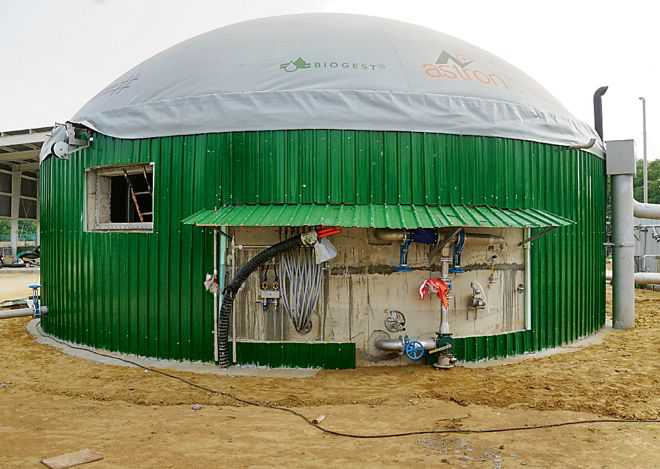
In a recent report, the Principal Accountant General (Audit) raised significant concerns regarding the operational status of the biogas purification system at the Chaudhary Charan Singh Haryana Agriculture University (HAU). This Rs 6-crore project, aimed at converting agri-farm waste into usable biogas, has been rendered unutilised for more than seven years due to the non-commissioning of the essential purification system, which is crucial for the project’s success. The audit revealed that an expenditure of Rs 31.53 lakh has been spent on this system, yet it remains dormant, raising questions about financial accountability and project management.
Implications of the Delay
The delay in commissioning the biogas purification system not only hinders the operational efficacy of the biogas plant but also stymies the potential benefits that could have been derived from it. Biogas plants are known for their ability to convert agricultural waste into renewable energy, thereby contributing to sustainable development and waste management. The non-utilisation of this system represents a missed opportunity for both the university and the local agricultural community.
Moreover, the environmental implications cannot be overlooked. The accumulation of agri-farm waste contributes to soil and water pollution, while effective management through biogas systems can significantly reduce this waste. The HAU project was designed to serve as a model for similar initiatives across the region, promoting green energy solutions and sustainable agricultural practices.
Financial Accountability and Oversight
The audit report brings to light the critical need for greater financial oversight in the execution of government-funded projects. With Rs 31.53 lakh already spent without tangible results, stakeholders are demanding answers regarding the project’s management. Questions arise about the planning and execution phases that led to such a prolonged delay. Why has the purification system not been commissioned despite the funds being allocated? What measures are in place to ensure that similar situations do not arise in future projects?
The audit’s findings underscore the importance of transparency and accountability in public spending, especially in projects funded by taxpayers' money. Ensuring that funds are used effectively and efficiently is paramount for public trust and the successful implementation of government initiatives.
Potential Solutions and Next Steps
As the university grapples with the ramifications of this audit, it is essential to explore potential solutions that can expedite the commissioning of the biogas purification system. Engaging with experts in biogas technology and project management may provide insights into overcoming the current challenges. Additionally, establishing a clear timeline for implementation and regular progress reporting could help restore confidence in the project.
Furthermore, collaboration with local farmers and agricultural organizations could enhance the project's relevance and operational adoption. By involving stakeholders who will directly benefit from the biogas plant, HAU can tailor the project to meet community needs and increase its chances of success.
Conclusion: A Call for Action
The audit of HAU's biogas purification system serves as a wake-up call for all stakeholders involved in agricultural innovation and sustainability. The current state of the project, with significant financial investment yet no operational output, is indicative of a broader issue within project management and execution in the agricultural sector. It is imperative for HAU and related authorities to take immediate action to resolve the ongoing issues, ensuring that the biogas plant can fulfill its intended purpose and contribute to a more sustainable agricultural future.
Ultimately, the success of projects like the biogas purification system at HAU could play a pivotal role in transforming agricultural waste management and promoting renewable energy in the region. It is time for decisive action to turn this vision into reality.
Key Takeaways:
- Significant delays in project commissioning
- Financial oversight and accountability are crucial
- Potential environmental benefits from biogas initiatives
- Collaboration with local stakeholders can enhance project success
```
More News You Might Like


Loading more news...
You've reached the end of our news feed. Check back later for more updates!