Politics
धरना-प्रदर्शनों का नया कारोबार: लोकतंत्र की आड़ में आखिर किसके हित साधे जा रहे हैं?
October 10, 2026
1,612 views
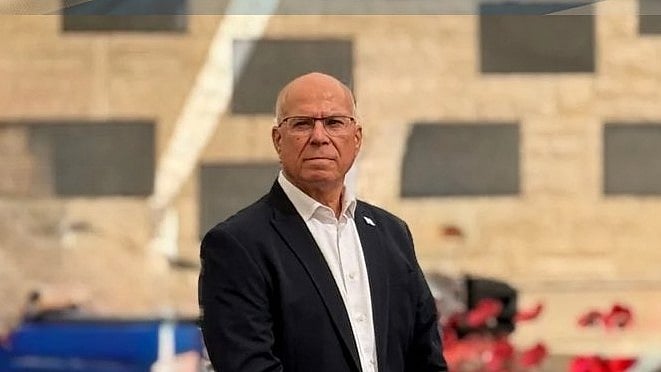
In a recent turn of events, the political landscape surrounding the Middle East has become increasingly complex, particularly in light of the newly announced ceasefire between the United States and Iran. Jewish Power chairman Zvi Fogel did not hold back in his criticism of U.S. President Donald Trump. During a press conference, Fogel quipped, "You came out looking like a duck," a remark that has drawn both ridicule and amusement in political circles. The ceasefire, intended to promote peace and stability, has instead sparked a heated debate among Israeli politicians regarding its implications and effectiveness.
The ceasefire, which temporarily pauses military actions, has been met with mixed reactions across the political spectrum. Israeli opposition leader Yair Lapid labeled the truce a "historic political failure." He directed his ire towards Prime Minister Benjamin Netanyahu, accusing him of a series of strategic missteps that have culminated in what many see as a weakened position for Israel in the face of Iranian aggression. Lapid's comments reflect a growing sentiment among some Israeli politicians who feel that Netanyahu has mishandled the situation, leading to a lack of confidence in Israel's security strategy.
While Netanyahu's office publicly supported Trump's decision to pause strikes for two weeks, they have made it clear that Lebanon is not included in the terms of the ceasefire. This exclusion raises questions about the ongoing tensions between Israel and Hezbollah, the Lebanese militant group. The Israeli government has historically viewed Hezbollah as a significant threat, and the decision to exclude Lebanon from the ceasefire could indicate a strategic choice to maintain a tough stance against the group.
Internationally, the ceasefire has elicited various responses. Some diplomats and analysts argue that Trump's decision to implement a temporary ceasefire may open the door for diplomatic negotiations that could lead to long-term peace in the region. However, others caution that without addressing the underlying issues that have led to conflict, such as Iran's nuclear ambitions and its support for proxy groups in the region, the ceasefire may only serve as a temporary bandage on a much deeper wound.
In recent years, the U.S. has taken a hardline approach towards Iran, particularly under Trump's administration, which has included withdrawing from the Iran nuclear deal and imposing severe sanctions. Critics argue that these actions have intensified hostilities rather than fostered dialogue. The current ceasefire, therefore, is viewed by some as a potential turning point, but skepticism remains high. Many observers are questioning whether true negotiations can take place in an environment still rife with mistrust and animosity.
Back in Israel, the political ramifications of the ceasefire are significant. Netanyahu’s government has been facing increasing scrutiny from both opposition parties and the public. The perception that he has failed to secure Israel's interests against a backdrop of Iranian aggression could lead to political fallout. As elections loom on the horizon, Netanyahu's handling of this situation may play a crucial role in shaping his political future.
Opposition leaders like Lapid are capitalizing on the situation, using the ceasefire as a platform to criticize Netanyahu’s leadership and advocate for a more assertive approach to dealing with Iran. This internal strife within Israeli politics highlights the broader consequences of international decisions, as they reverberate back home and influence public opinion and electoral outcomes.
The ceasefire, while a significant development, is just one piece of a larger puzzle in Middle Eastern relations. The dynamics between Israel, Iran, and their respective allies are complicated and fluid. Historical grievances, territorial disputes, and differing ideologies all play into the ongoing conflict. The ceasefire may provide a temporary reprieve from hostilities, but the underlying issues remain unresolved.
For lasting peace to be achieved, both regional and international stakeholders must engage in meaningful dialogue. This includes addressing the various grievances that have fueled tensions, and finding common ground that respects the sovereignty and security of all parties involved. The recent ceasefire could serve as a stepping stone towards these goals, but only if it is approached with the seriousness and commitment it demands.
The political fallout from the ceasefire between the United States and Iran is far-reaching. With leaders like Zvi Fogel and Yair Lapid vocalizing their support and criticism, respectively, the discourse surrounding this development is likely to shape the future of Israeli politics and regional stability. As the world watches closely, the implications of this ceasefire—whether seen as a historic failure or a potential opportunity—will continue to unfold in the coming weeks and months.

Loading more news...
You've reached the end of our news feed. Check back later for more updates!