
Business
Invetech & MeMed win 2026 Good Design Award Gold for MeMed Key™
October 9, 2026
2,539 views
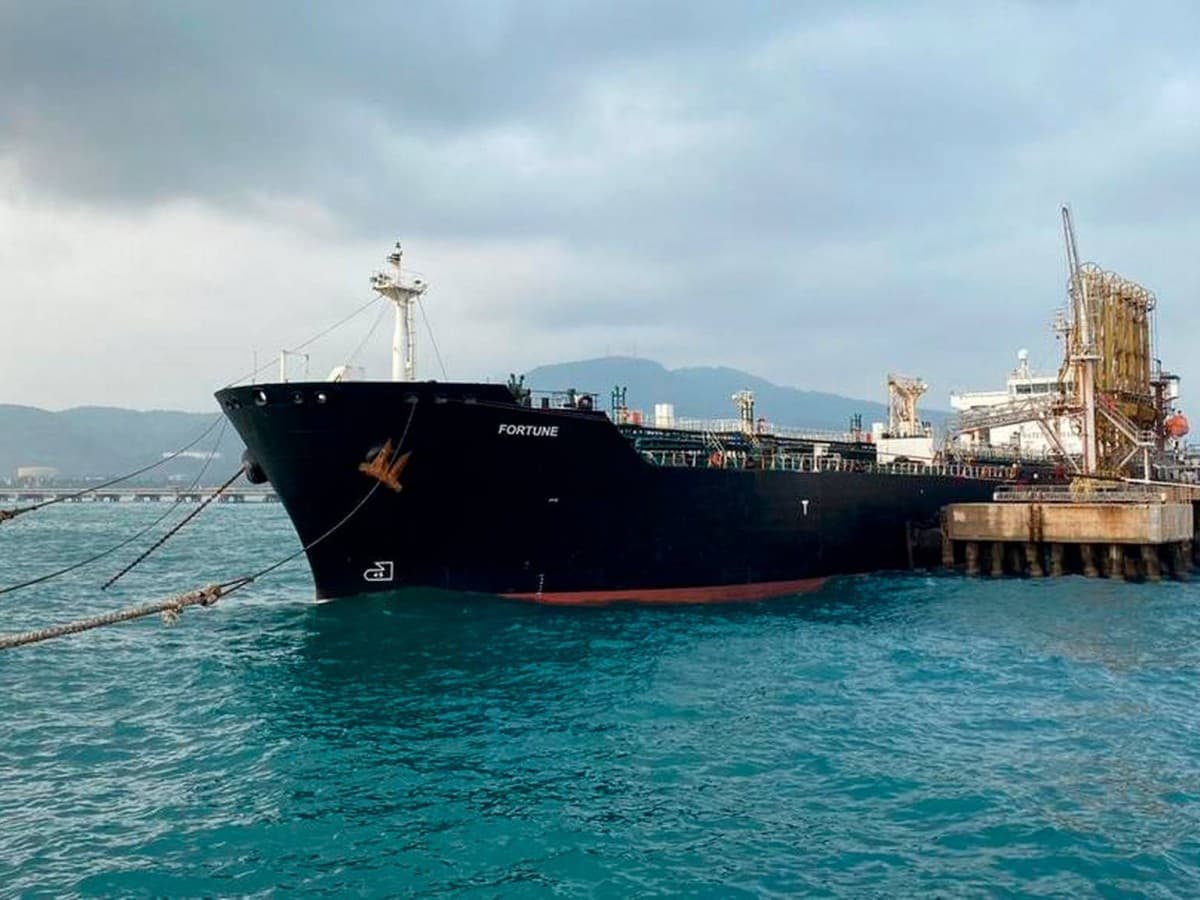
The legendary derivatives trading team at Vitol Group, the world’s largest oil trader, has reportedly lost hundreds of millions of U.S. dollars on oil bets that went very wrong as the war in the Middle East roiled global markets and trapped physical supply at the Strait of Hormuz. Vitol’s star trader Yaoyao Liu found himself on the wrong side of bets on crude and fuel prices at the start of the U.S.-Israel war with Iran, as prices soared in the worst disruption of global oil supply in history, the Wall Street Journal reports, quoting sources familiar with the situation.
The volatility in the oil market has reached unprecedented levels, primarily driven by geopolitical tensions in the Middle East. The ongoing conflict has led to significant concerns about the stability of oil supplies, especially through vital chokepoints like the Strait of Hormuz, which handles a substantial portion of the world's crude oil shipments. As a result, traders and institutions like Vitol are forced to navigate a perilous landscape, where the stakes are incredibly high.
Yaoyao Liu, a prominent figure in the world of oil trading, has garnered a reputation for making bold bets that sometimes pay off handsomely. However, in this instance, Liu's timing was unfortunate. Analysts suggest that the rapid escalation of conflict caught many traders off-guard, leading to hasty decisions that resulted in substantial losses. Liu's position in Vitol placed him at the forefront of these risky trades, and the consequences of the miscalculation have been staggering.
The losses incurred by Vitol could have broader implications for the oil market as a whole. As one of the largest players in the industry, Vitol's financial health is closely tied to market stability. Analysts fear that continued losses could lead to a more cautious approach among traders, potentially stifling liquidity and exacerbating price volatility.
The future of Vitol and its trading strategies remains uncertain as the geopolitical landscape continues to evolve. With ongoing conflicts and potential new developments, traders will have to adapt quickly to changing circumstances. The losses suffered by Vitol may prompt a reevaluation of risk management practices within the company and the broader trading community.
The massive losses experienced by Vitol Group serve as a cautionary tale in the world of oil trading. As geopolitical tensions continue to influence market dynamics, traders must remain vigilant and adaptable. The future of oil trading may hinge on how effectively companies like Vitol can navigate these turbulent waters and respond to unforeseen challenges.


Loading more news...
You've reached the end of our news feed. Check back later for more updates!