
Business
Invetech & MeMed win 2026 Good Design Award Gold for MeMed Key™
October 9, 2026
2,539 views
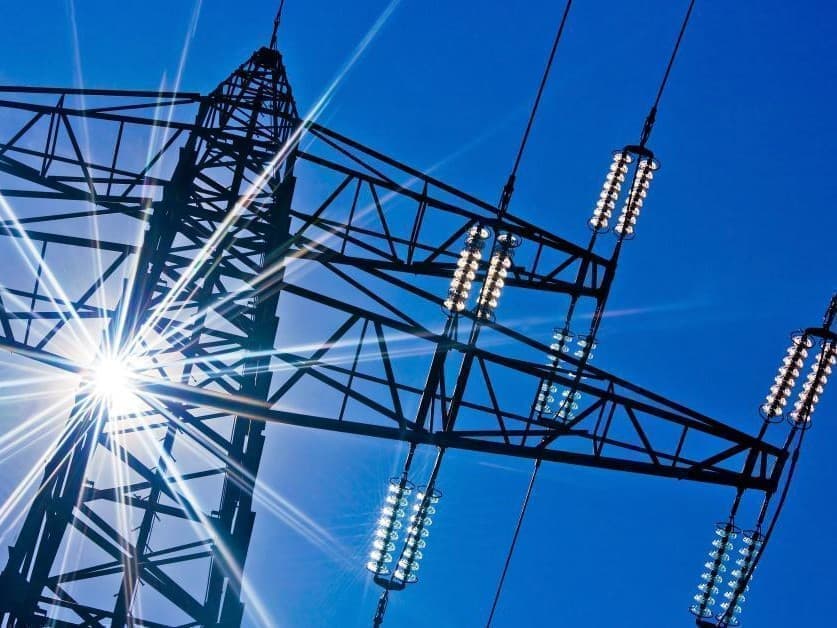
We vaguely remember that moment in the British detective series “Luther”, when the eponymous hero (Idris Elba), pursued by redheaded, demented murderer/lover Alice Morgan (Ruth Wilson), running from the law, finds himself trapped on a bridge with the police rushing in on all sides, and he desperately asks, “Now what?” or similar words, and the episode ends, with all viewers left hanging. All of this reminds us of numbers piling up from various reputable sources that seem to show the electric industry heading into the same precarious situation. With the rapid growth of renewable energy sources and the increasing demand for power, the electrical grid is facing unprecedented challenges that could lead to significant outages and infrastructure stress.
One of the primary drivers of this looming crisis is the surge in renewable energy adoption. Solar and wind energy have seen exponential growth over the past decade, encouraged by government incentives and a societal push towards sustainability. According to the International Energy Agency (IEA), renewable energy sources are set to account for nearly 95% of the increase in global power capacity by 2026. While this transition is essential for reducing carbon footprints, it also presents unique challenges for grid management.
The current state of the electrical grid is a significant concern. Much of the infrastructure, particularly in developed nations, is aging and ill-equipped to handle the rapidly changing energy landscape. Investment in grid modernization has lagged, leaving many areas vulnerable to outages. The North American Electric Reliability Corporation (NERC) has warned that the aging transmission and distribution systems could lead to more frequent and severe outages, especially as more renewables come online.
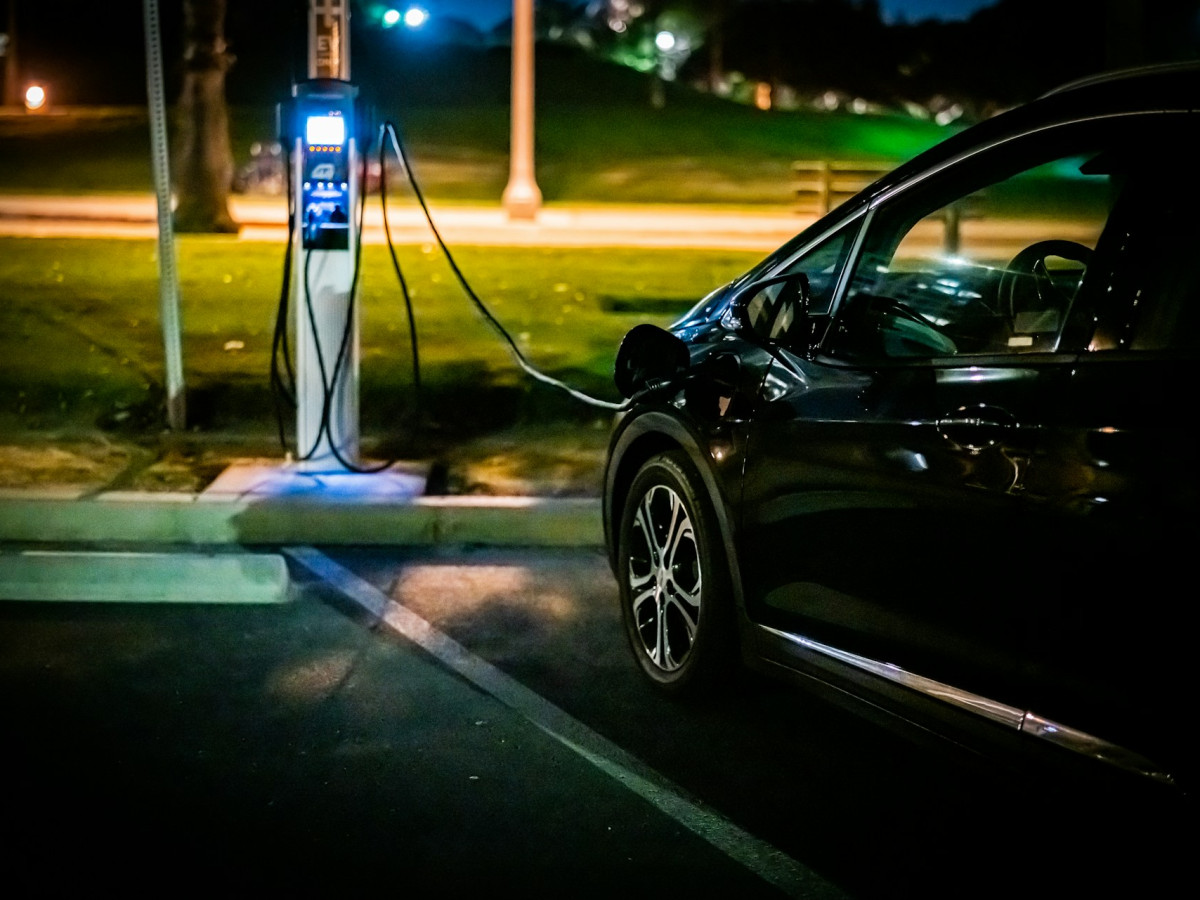
Alongside the growth of renewable energy, there is an increased demand for electricity driven by various factors, including the rise of electric vehicles, home automation systems, and a general increase in population density in urban areas. Furthermore, climate change is causing extreme weather events, which can disrupt power supply and increase demand. For instance, prolonged heatwaves can lead to heightened air conditioning usage, putting additional strain on the grid.
One of the most significant challenges facing grid operators is the need to balance supply and demand in real-time. Traditional power plants can ramp up or down quickly to meet demand. However, renewable energy sources like solar and wind are intermittent, dependent on weather conditions. This unpredictability complicates the task of maintaining a stable power supply. As more renewables are integrated into the grid, the reliance on energy storage solutions becomes crucial. Technologies like batteries and pumped hydro storage can help mitigate some of these issues, but they also require substantial investment and development.
Another layer of complexity is added by regulatory and policy challenges. Different regions have varying regulations, which can affect how quickly new technologies are implemented and how effectively they can be integrated into the existing grid. The inconsistency in policies can lead to delays in necessary upgrades and hinder the overall efficiency of the energy system.
Looking ahead, the electrical industry must embrace innovation and collaboration to address these challenges. This includes investing in smart grid technologies that enhance communication and automation within the grid, allowing for better management of resources. Moreover, partnerships between the public and private sectors can facilitate the development of new infrastructure and technologies that will be essential for a reliable and sustainable power supply.
As we reflect on the precarious situation depicted in “Luther”, we must recognize the urgency of addressing the challenges facing our power grid. The surge in renewable energy, coupled with an aging infrastructure and increasing demand, creates a perfect storm that could lead to significant disruptions in our electricity supply. It is imperative for stakeholders across the energy sector to prioritize investment in modernization, regulatory reform, and technological innovation. Only through proactive measures can we ensure that our power systems remain resilient and capable of meeting the demands of the future.

Loading more news...
You've reached the end of our news feed. Check back later for more updates!