Politics
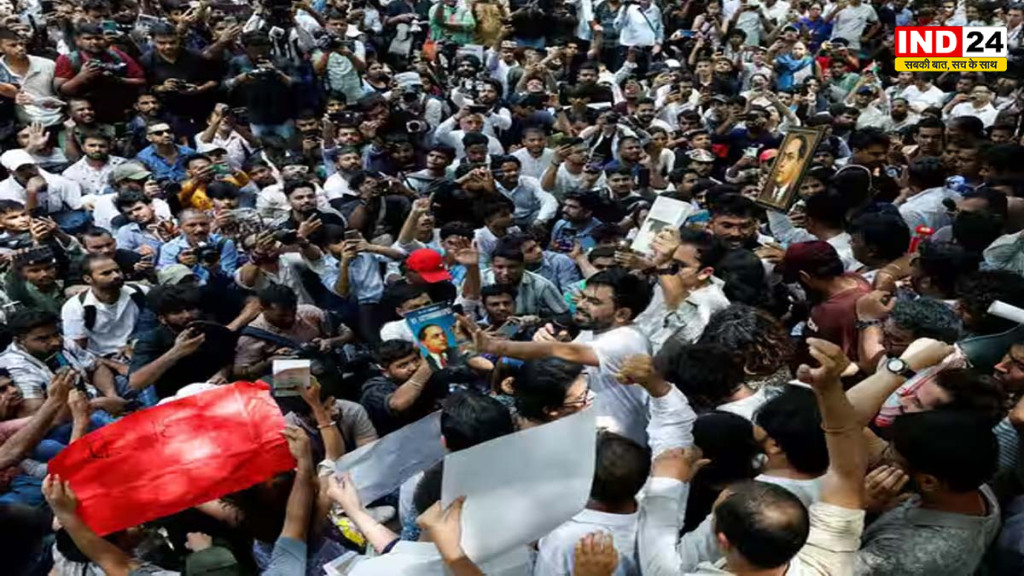
धरना-प्रदर्शनों का नया कारोबार: लोकतंत्र की आड़ में आखिर किसके हित साधे जा रहे हैं?
October 10, 2026
1,612 views

Iran has formally invited Prime Minister Narendra Modi to attend the state funeral of Supreme Leader Ayatollah Ali Khamenei. On the surface, it appears to be a simple diplomatic courtesy extended to a global leader. However, this invitation presents one of the most challenging foreign policy dilemmas that India has faced in recent years. The implications of Modi's decision are profound and multifaceted, as they will resonate beyond the immediate context of the funeral.
The invitation to the Khamenei funeral is not merely a ceremonial gesture; it embodies the intricate web of relationships that India has cultivated over decades. Iran is a vital partner for India, particularly when it comes to energy security and trade routes. The Chabahar Port project, which India has invested in, is crucial for access to Afghanistan and Central Asia, and serves as a counter to Pakistan's Gwadar Port, which is backed by China. The Strait of Hormuz, a critical chokepoint for global oil shipments, further complicates the dynamics at play.
If Prime Minister Modi chooses to attend the funeral, it would signal a commitment to maintaining strong ties with Iran, a country that has been pivotal in India's energy strategy. However, this decision would inevitably attract scrutiny from Israel and the United States, both of whom view Iran as a significant threat. Modi's presence at the funeral could be interpreted as a tacit endorsement of Iran's regional ambitions, which may lead to strained relations with these key allies.
On the other hand, a decision to decline the invitation could be perceived by Tehran as a diplomatic snub, potentially destabilizing India's relationship with Iran. Given the current geopolitical tensions in the Middle East, where alliances are shifting rapidly, India finds itself at a crossroads. The question remains: Can India continue to balance its relationships with rival powers without overtly choosing sides?
India's long-standing doctrine of strategic autonomy has allowed it to navigate complex international waters without being beholden to any particular bloc. However, the invitation to Khamenei's funeral presents a unique challenge to this doctrine. The growing defense ties with the United States and the burgeoning partnership with Israel are at odds with India's historical ties to Iran. Modi's decision will not only impact India's relationships but also influence its standing on the global stage.
The ongoing conflict in the Middle East has reached a point where neutrality may no longer be a viable option. India's position as a non-aligned nation is being tested, and its response to the Khamenei funeral invitation could set a precedent for future diplomatic engagements. The choices made in this instance will likely resonate in other geopolitical scenarios, affecting everything from trade deals to military cooperation.
As Prime Minister Modi contemplates his decision, it is essential for India to weigh the potential ramifications carefully. The country must navigate its relationships with Iran, Israel, and the United States with a keen understanding of the underlying sentiments and geopolitical realities. The outcome of this diplomatic balancing act could redefine India's foreign policy trajectory for years to come.
The invitation to attend Ayatollah Ali Khamenei's state funeral is more than just a diplomatic formality; it is a test of India's ability to maneuver through a complex geopolitical landscape. The world will be watching closely as Modi makes his choice, which could either reinforce India's position as a key player in the region or complicate its relationships with influential allies. In a world where alliances are continually shifting, India's response could very well determine its future role on the global stage.

Loading more news...
You've reached the end of our news feed. Check back later for more updates!