Politics
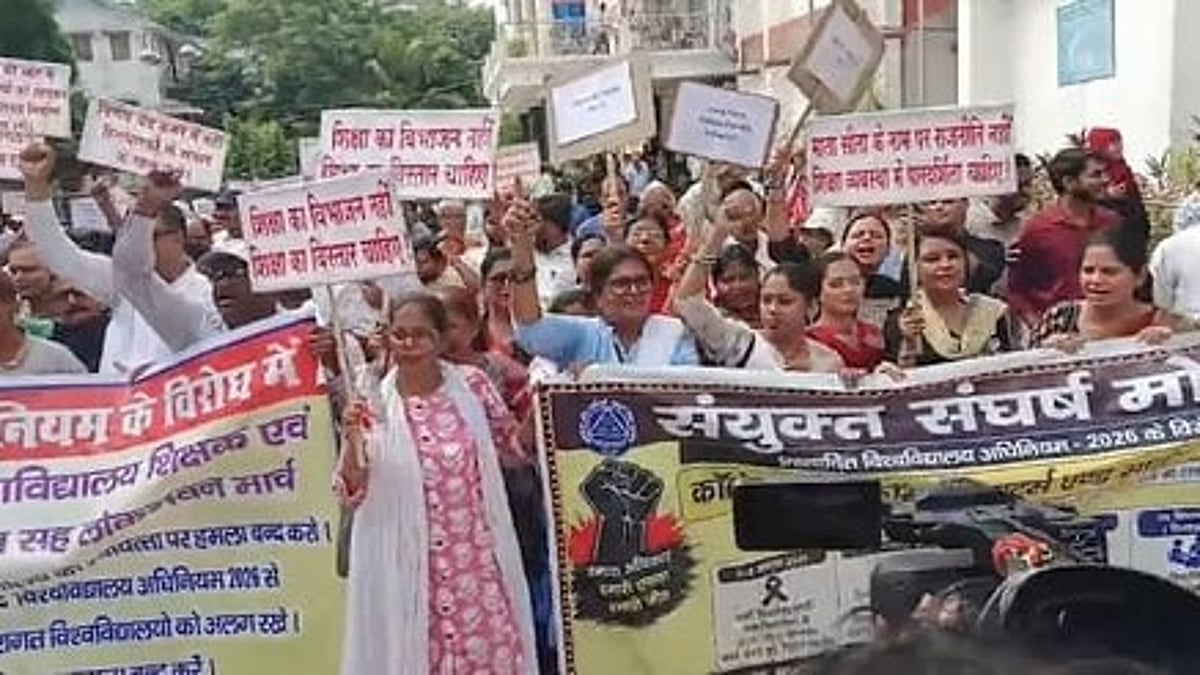
Bihar: Over 50 held in protest against Mata Sita women’s university
October 10, 2026
1,707 views

In a surprising move that has sent ripples through the global immigration landscape, the US State Department announced a temporary pause on visa appointments worldwide. This decision has raised numerous questions among potential visa applicants, especially within the Indian community, who have been closely following changes in immigration policy. The pause is reportedly tied to a training initiative aimed at enhancing the skills of visa officers, but the implications for applicants are significant and multifaceted.
A spokesperson from the US State Department confirmed that the adjustment in visa service appointments is necessary to allow consular officers to participate in essential training sessions. This training is designed to equip them with updated knowledge and skills, ensuring they are better prepared to handle visa applications moving forward. However, this has resulted in a wave of cancellations for applicants who had already scheduled interviews.
It has been reported that many applicants received notifications via email informing them that their appointments have been canceled. While the State Department has assured applicants that they will be provided with new dates and times for their interviews, the uncertainty surrounding the timeline has left many anxious.
This sudden pause in visa processing can be traced back to former President Donald Trump's stringent immigration policies, which have continued to influence the current administration's approach to immigration. The focus on training suggests a shift towards a more rigorous vetting process, which could further complicate the already challenging landscape for Indian applicants. The pause raises concerns about the efficiency of the visa application process, especially given the backlog that has already built up over the past few years.
For Indian visa applicants, the implications of this pause are particularly pronounced. The US has long been a favored destination for Indian professionals, students, and families. However, with the current pause, many are left wondering how long they will have to wait before their applications are processed. This uncertainty can have significant ramifications, not only for individual applicants but also for businesses and educational institutions that rely on international talent.
In the tech industry, for example, companies often depend on skilled professionals from India to fill critical roles. Delays in visa processing can hinder recruitment efforts and disrupt projects that require specialized knowledge. Additionally, students hoping to study in the US may find their plans derailed, affecting their academic and career trajectories.
This pause in visa appointments is part of a broader narrative surrounding US immigration policy. Trump's administration was characterized by a series of executive orders aimed at restricting immigration, and while some of these measures have been rolled back, the underlying sentiment still influences the current system. The emphasis on training for visa officers may indicate a shift towards a more cautious approach, where applicants are scrutinized more closely than before.
For Indian applicants caught in this pause, there are several steps they can take to navigate the situation. Firstly, applicants should stay informed by regularly checking the US State Department's website for updates regarding visa appointments and processing times. Engaging with immigration attorneys or consultants can also provide personalized guidance based on individual circumstances.
Furthermore, applicants are encouraged to prepare all necessary documentation in advance. Ensuring that all paperwork is complete and accurate can help streamline the process once appointments resume. Building a strong case for why a visa should be granted can also be beneficial, particularly in a more stringent environment.
As the US pauses visa appointments worldwide, the impact on Indian applicants is significant. The training initiative for visa officers aims to improve the application process, but the immediate consequences are felt through canceled appointments and increased uncertainty. Moving forward, it is crucial for applicants to remain proactive and informed as they navigate this evolving landscape. The future of US immigration remains uncertain, but understanding the current dynamics can empower applicants to better advocate for their needs.

Loading more news...
You've reached the end of our news feed. Check back later for more updates!