Politics
धरना-प्रदर्शनों का नया कारोबार: लोकतंत्र की आड़ में आखिर किसके हित साधे जा रहे हैं?
October 10, 2026
1,612 views
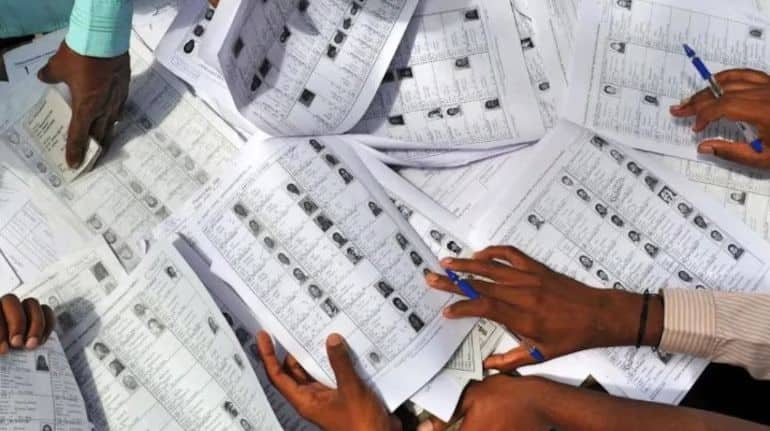
In a significant ruling that has stirred public sentiment and political discourse in West Bengal, the Supreme Court has put its foot down on the contentious issue of voter eligibility tied to the State’s Special Identification Register (SIR). The court rejected appeals from the Bengal government and supporters of the Trinamool Congress (TMC), which sought to include voters whose appeals against deletion from the electoral rolls are pending before 19 special appellate tribunals. This decision has far-reaching implications for approximately 27 lakh voters who are now left in a state of uncertainty regarding their right to participate in the upcoming elections.
The SIR, designed to streamline the voter registration process and identify legitimate voters, has been at the center of political controversies in Bengal. The state government’s push to include voters whose names were contested has been met with opposition from various quarters. Critics argue that such moves could compromise the integrity of the electoral process, while supporters claim they are necessary to uphold democratic participation.
Legal experts suggest that the Supreme Court's ruling highlights the necessity of maintaining a robust electoral framework. The court emphasized the importance of ensuring that only eligible voters are allowed to cast their ballots, thereby reinforcing the principle of electoral integrity. This decision raises questions about the bureaucratic processes surrounding voter registration and the implications for those who find themselves on the wrong side of the SIR.
The exclusion of these 27 lakh voters from the electoral rolls could significantly impact the electoral landscape in Bengal. Many of these voters may have relied on the upcoming elections to voice their concerns and preferences, especially in a state rife with political rivalry. With the elections around the corner, the uncertainty surrounding their voting status could lead to disenfranchisement and disillusionment.
Political analysts warn that the disenfranchisement of such a large number of voters could skew election outcomes and potentially lead to a crisis of legitimacy for the elected government. The TMC, which has been a dominant force in West Bengal politics, may find its support base affected if a significant portion of its constituents are unable to vote. The party has been vocal in its opposition to the court's ruling, arguing that it undermines the rights of the common people.
Beyond the immediate political ramifications, the decision also raises concerns about the administrative processes involved in managing the SIR. The existence of 19 special appellate tribunals indicates a complex web of legal challenges that could further complicate voter registration efforts. Many voters may remain unaware of their status and the steps needed to rectify it, leading to confusion and frustration.
Furthermore, this scenario could lead to a surge in legal challenges as affected voters seek to reclaim their voting rights. The backlog of appeals could burden the judicial system, prompting calls for reform in how voter registrations and disputes are handled. Some experts advocate for a more transparent and efficient process, emphasizing the need for public awareness campaigns to educate voters about their rights and the appeals process.
The political landscape in West Bengal is already charged with tension, and this ruling has only added fuel to the fire. Political parties are gearing up for a battle not only at the ballot box but also in the courtrooms. The TMC has indicated that it may pursue further legal avenues to challenge the Supreme Court's decision, citing the potential harm it poses to democratic engagement.
Opposition parties, on the other hand, view this as an opportunity to capitalize on the discontent among disenfranchised voters. They are likely to intensify their outreach efforts, aiming to galvanize support by highlighting the perceived injustices of the voter exclusion. The upcoming elections could be a litmus test for the political parties in Bengal, as they navigate the complexities of voter sentiment and legal challenges.
The Supreme Court's ruling on the SIR and the inclusion of 27 lakh voters embodies a pivotal moment for electoral politics in West Bengal. As the state braces itself for the impending elections, the focus must shift towards ensuring that every eligible voter can exercise their right to vote without hindrance. This incident underscores the urgent need for electoral reforms that prioritize transparency, accessibility, and fairness in the voter registration process.
In this politically charged atmosphere, the call for reform is louder than ever. With the eyes of the nation on West Bengal, it remains to be seen how the political parties will respond to the challenges posed by the court's decision and the implications for the future of democracy in the state.


Loading more news...
You've reached the end of our news feed. Check back later for more updates!