Politics
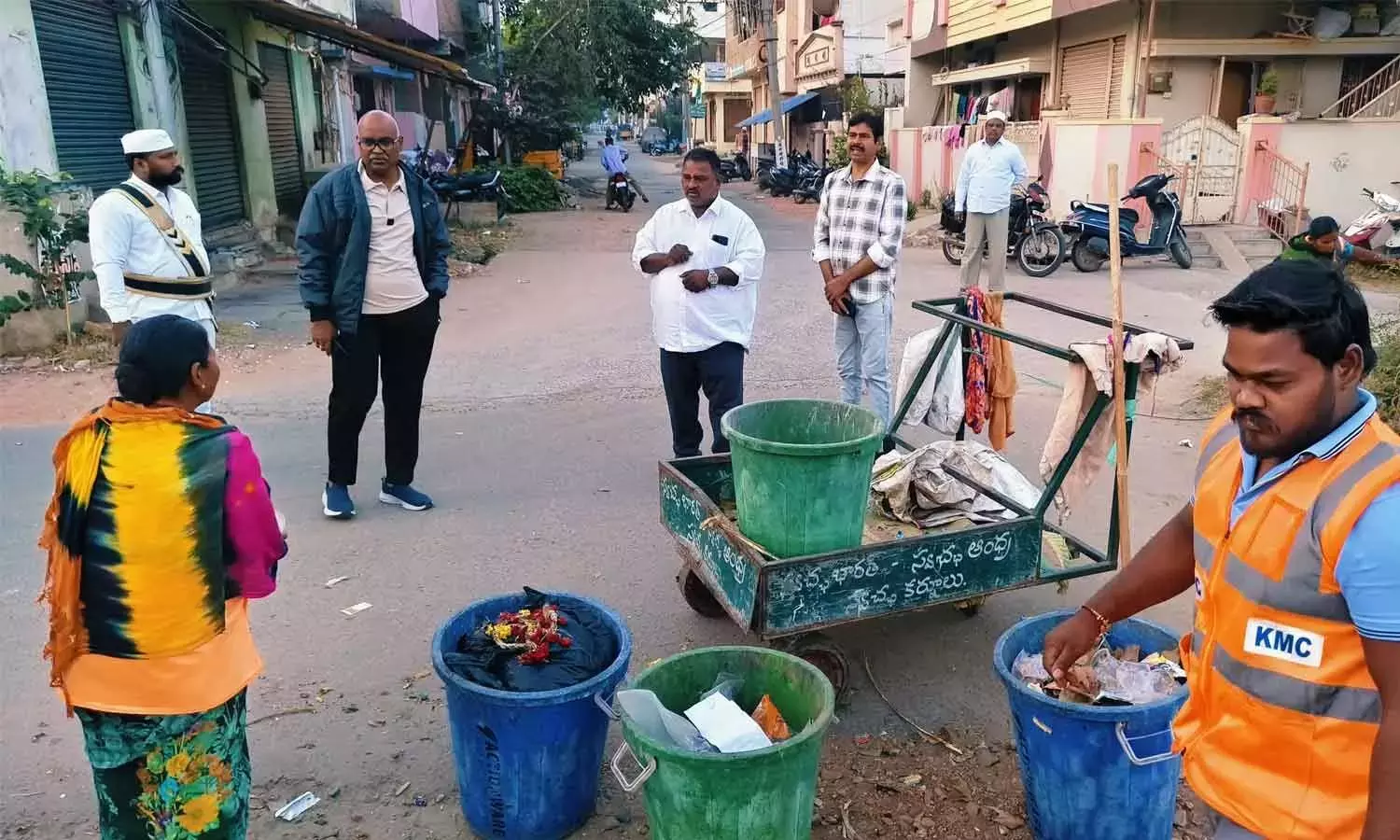
स्वच्छता कार्य में लापरवाही पर कड़ी कार्रवाई होगी: केएमसी आयुक्त
November 19, 2026
2,481 views

In a significant move aimed at promoting environmental sustainability and respecting religious sentiments, the Rekha Gupta-led Delhi government has announced the establishment of 110 dedicated collection centres for the disposal of old and damaged idols, as well as puja materials. This initiative comes in response to the growing concern over the improper disposal of religious paraphernalia, which can lead to environmental degradation and pollution in the national capital.
Every year, millions of idols are immersed in water bodies during various festivals such as Durga Puja, Ganesh Chaturthi, and others. Often, these idols are made of non-biodegradable materials, including plaster of Paris, which can cause severe ecological harm. Additionally, leftover puja materials, such as flowers, incense sticks, and other offerings, are frequently discarded improperly, contributing further to urban waste. The establishment of these collection centres is a proactive measure to facilitate the responsible disposal of such materials.
The 110 collection centres will be strategically located across various parts of Delhi to ensure easy accessibility for residents. The centres will be operational throughout the year, allowing devotees to dispose of their religious materials at their convenience. Each centre will be staffed by trained personnel who will guide individuals on how to properly dispose of their items, ensuring that the process is both respectful and environmentally friendly.
In addition to providing a location for disposal, the centres aim to educate the public on the importance of eco-friendly practices during religious observances. Workshops and informational sessions will be organized to raise awareness about the impact of waste on the environment and the significance of using biodegradable materials for religious rituals.
The Delhi government is also encouraging community participation in this initiative. Local communities, religious organizations, and NGOs are being invited to collaborate in the management of these centres. By fostering a sense of ownership among residents, the government hopes to enhance the effectiveness of this program and promote a culture of environmental stewardship.
Moreover, the government plans to launch a campaign to inform citizens about these collection centres through various channels, including social media, pamphlets, and community meetings. This outreach effort aims to ensure that all residents are aware of the new facilities and understand their role in maintaining the city’s cleanliness and ecological balance.
The initiative not only addresses the immediate need for proper disposal but also aligns with the broader goals of the Delhi government's environmental policies. By reducing the amount of waste entering landfills and water bodies, the collection centres are expected to play a crucial role in improving the city’s overall environmental health. The government also plans to monitor the effectiveness of these centres and may expand the program in the future based on community feedback and participation levels.
Furthermore, the Delhi government is exploring possibilities for recycling and repurposing the disposed materials. For instance, biodegradable items could be composted, while idols made from eco-friendly materials could be returned to nature in a manner that honors their spiritual significance.
The establishment of 110 collection centres for the disposal of old idols and puja materials marks a vital step towards integrating religious practices with environmental responsibility in Delhi. This initiative underscores the importance of preserving the city’s natural resources while respecting the cultural and spiritual values of its residents. As the collection centres open their doors, it is hoped that the citizens of Delhi will embrace this opportunity to participate in a movement that honors both their faith and the environment.
With the right education, community engagement, and ongoing support from the government, this initiative has the potential to transform how religious materials are disposed of in the capital, setting a precedent for other cities across the country.


Loading more news...
You've reached the end of our news feed. Check back later for more updates!