
Politics
Bihar: Over 50 held in protest against Mata Sita women’s university
October 10, 2026
1,707 views
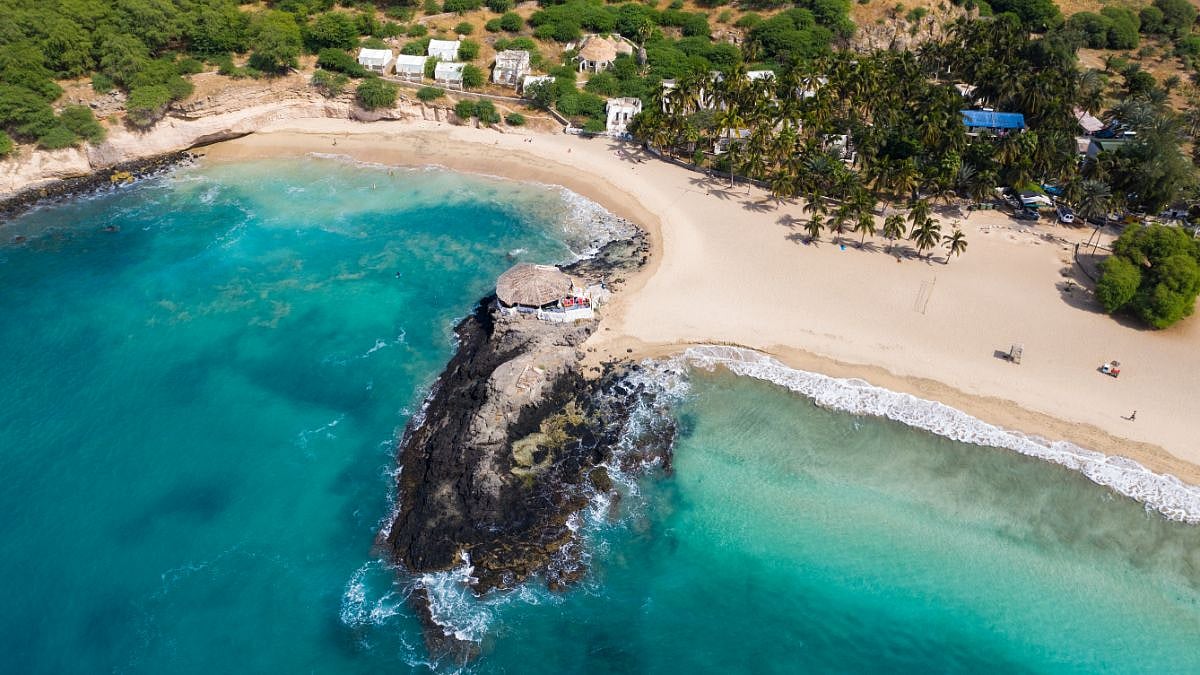
Cabo Verde, an enchanting archipelago located in the central Atlantic Ocean, comprises ten volcanic islands and several islets, forming a stunning collective known for its unique blend of cultures, landscapes, and rich history. This island nation, officially recognized as the Republic of Cabo Verde, gained independence from Portugal on July 5, 1975, marking a significant milestone in its quest for self-governance. The official language of Cabo Verde is Portuguese, a remnant of its colonial past, but the vibrant local culture is also expressed through Cape Verdean Creole, which varies significantly across the islands.
Cabo Verde is situated about 570 kilometers (354 miles) off the coast of Senegal, on the west side of Africa. The nation is comprised of 10 main islands, of which Santiago, São Vicente, and Sal are the most populated. Santiago is home to the capital city, Praia, which serves as the political and economic center of the country. The islands are characterized by their rugged terrain, stunning beaches, and a climate that ranges from arid to tropical. Notably, Cabo Verde has no permanent rivers, which has shaped its water management practices and agricultural strategies, relying heavily on rainfall and groundwater.
The culture of Cabo Verde is a delightful fusion of African, Portuguese, and Brazilian influences. This is evident in its music, cuisine, and festivals. The traditional music genre, morna, often described as the soul of Cabo Verde, is characterized by its melancholic melodies and poetic lyrics, reflecting the islanders' experiences of longing and nostalgia. The annual Carnaval celebrations, held just before Lent, showcase the islands' vibrant traditions through colorful parades, music, and dance, attracting tourists from around the globe.
The economy of Cabo Verde is primarily service-oriented, with tourism being a significant contributor to the nation's GDP. The islands’ breathtaking landscapes, warm climate, and rich cultural heritage draw visitors year-round. The tourism sector has seen substantial investment over the years, leading to the development of hotels, resorts, and recreational facilities. In addition to tourism, fishing and agriculture also play crucial roles in the economy, despite the challenges posed by the islands' limited arable land and water resources. The government has been making efforts to promote sustainable practices in these sectors to ensure long-term viability.
Cabo Verde faces a myriad of environmental challenges, primarily due to its geographical location and climatic conditions. With no permanent rivers and limited freshwater resources, the islands are prone to droughts, which can severely impact agriculture and water supply. The government has recognized the need for effective water management systems and has been implementing projects aimed at improving irrigation and water conservation. Additionally, the effects of climate change pose a threat to the islands' delicate ecosystems and coastal communities, leading to increased efforts in environmental protection and sustainable development.
The islands of Cabo Verde offer an array of activities for adventure seekers and leisure travelers alike. Water sports such as windsurfing, kitesurfing, and diving are popular, particularly in Sal and Boa Vista, where the beaches are pristine and the waters are crystal clear. Hiking enthusiasts can explore the rugged landscapes of Santo Antão, known for its dramatic mountains and lush valleys. For those seeking a more cultural experience, a visit to the historic town of Cidade Velha, a UNESCO World Heritage site, offers a glimpse into the colonial past of Cabo Verde.
Traveling to Cabo Verde has become increasingly accessible, with international flights connecting the islands to major cities across Europe and Africa. The main airport, Amílcar Cabral International Airport on Sal Island, serves as the primary entry point for visitors. Once on the islands, travelers can utilize domestic flights, ferries, or local taxis to explore the various islands. Each island offers a unique charm and set of experiences, making it worthwhile for visitors to island-hop during their stay.
Cabo Verde, with its rich history, diverse culture, and stunning landscapes, is a hidden gem in the Atlantic Ocean. Despite facing challenges such as limited water resources and environmental threats, the resilience of its people and the beauty of its islands continue to attract tourists and researchers alike. Whether you are looking for adventure, relaxation, or cultural immersion, Cabo Verde promises an unforgettable experience.


Loading more news...
You've reached the end of our news feed. Check back later for more updates!