
Business
Invetech & MeMed win 2026 Good Design Award Gold for MeMed Key™
October 9, 2026
2,539 views
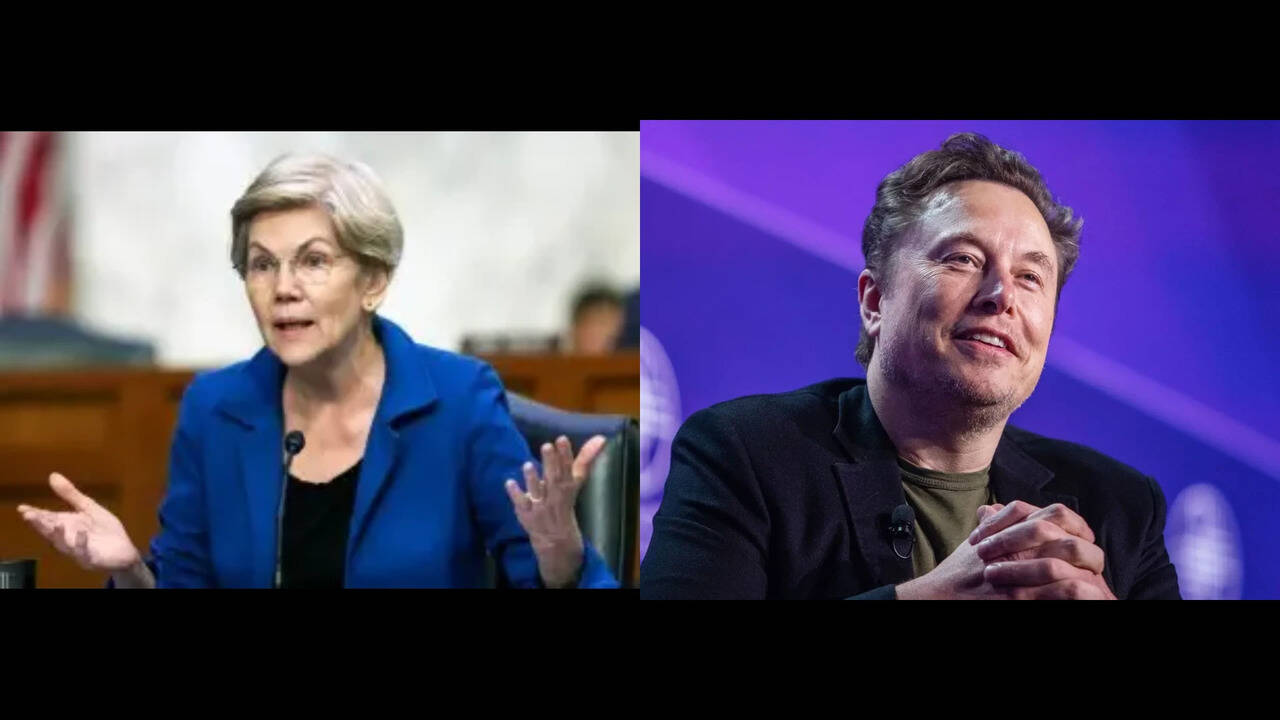
Senator Elizabeth Warren has found herself at the center of a social media frenzy after making comments about a proposed wealth tax aimed at the world’s first trillionaire, Elon Musk. Her remarks, which were intended to highlight income inequality and the need for a more equitable tax system, have ignited a wave of trolling and backlash from various corners of the internet. This incident raises important questions about wealth distribution, taxation, and the role of billionaires in society.
Senator Warren, a prominent advocate for progressive taxation, has long argued that the wealthiest Americans should contribute more to the country’s coffers. Her proposal for a wealth tax, which would impose a levy on assets held by individuals with a net worth exceeding a certain threshold, aims to address the growing wealth gap in America. Warren believes that such a tax would not only help fund critical social programs but also serve as a corrective measure against the concentration of wealth among a small percentage of the population.
Despite the serious nature of her proposal, Warren’s comments sparked a flurry of memes and jokes on social media. Many users took to platforms like Twitter and Instagram, using humor to mock her statement, “When I give my savings to Elon Musk.” The phrase quickly became a trending topic, with users creating various interpretations and parodies that highlighted the absurdity they perceived in Warren’s call for a wealth tax on the world’s first trillionaire.
The debate surrounding wealth inequality is not new, but it has gained renewed urgency in recent years. As the disparity between the ultra-rich and the average American continues to widen, discussions about how to address these issues have become increasingly relevant. Advocates for wealth taxes argue that they represent a fair approach to taxation, where those who can afford to pay more contribute to the society that has enabled their success.
Elon Musk, often regarded as a pioneer in technology and space exploration, has become a polarizing figure in the discussion of wealth and taxation. His rapid ascent to becoming the world’s first trillionaire has raised eyebrows and prompted scrutiny of the systems that allow such wealth accumulation. While some view him as a visionary, others criticize the inequalities that his wealth represents.
As the national conversation continues to evolve, Senator Elizabeth Warren’s wealth tax proposal remains a focal point of contention. The trolling and backlash she faced may reflect deeper societal frustrations regarding wealth inequality and the role of billionaires in shaping the economy. Moving forward, it is essential for policymakers to engage in constructive dialogue that balances the need for fair taxation with the imperative to foster innovation and economic growth.


Loading more news...
You've reached the end of our news feed. Check back later for more updates!