Health
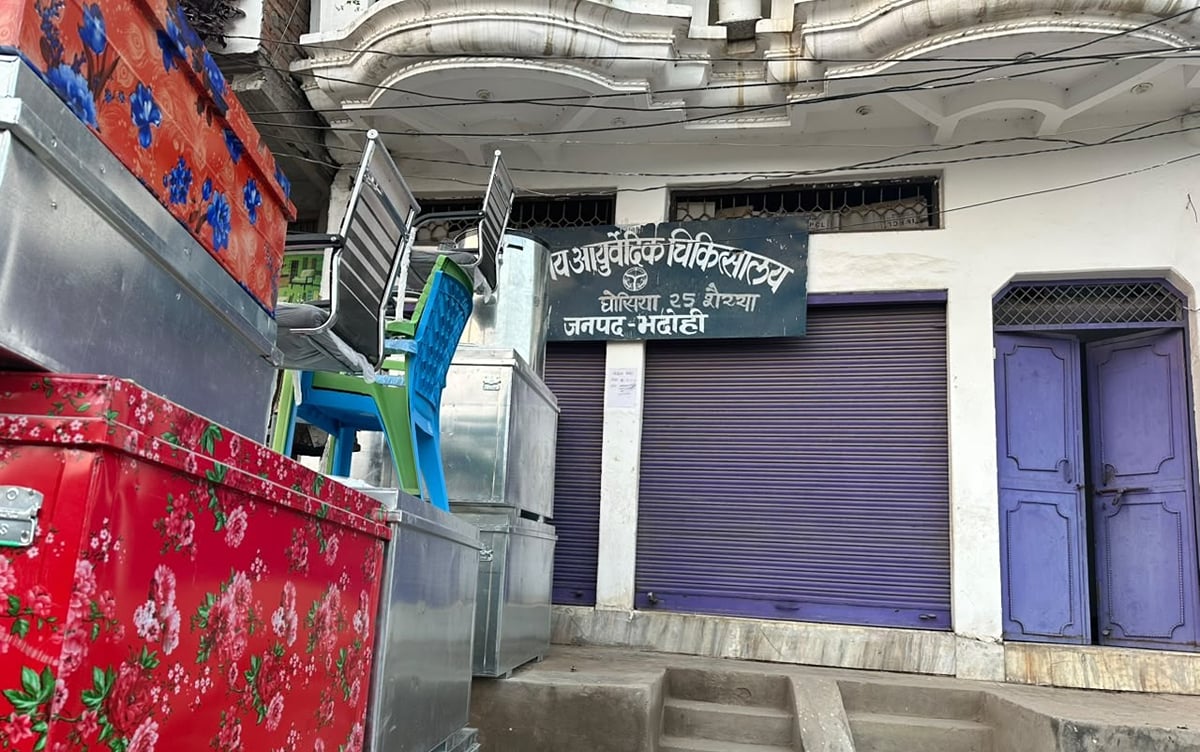
Bhadohi News: 26 में से 25 आयुर्वेद अस्पतालों में मरीजों को भर्ती करने के लिए एक भी बेड नहीं
October 9, 2026
1,115 views
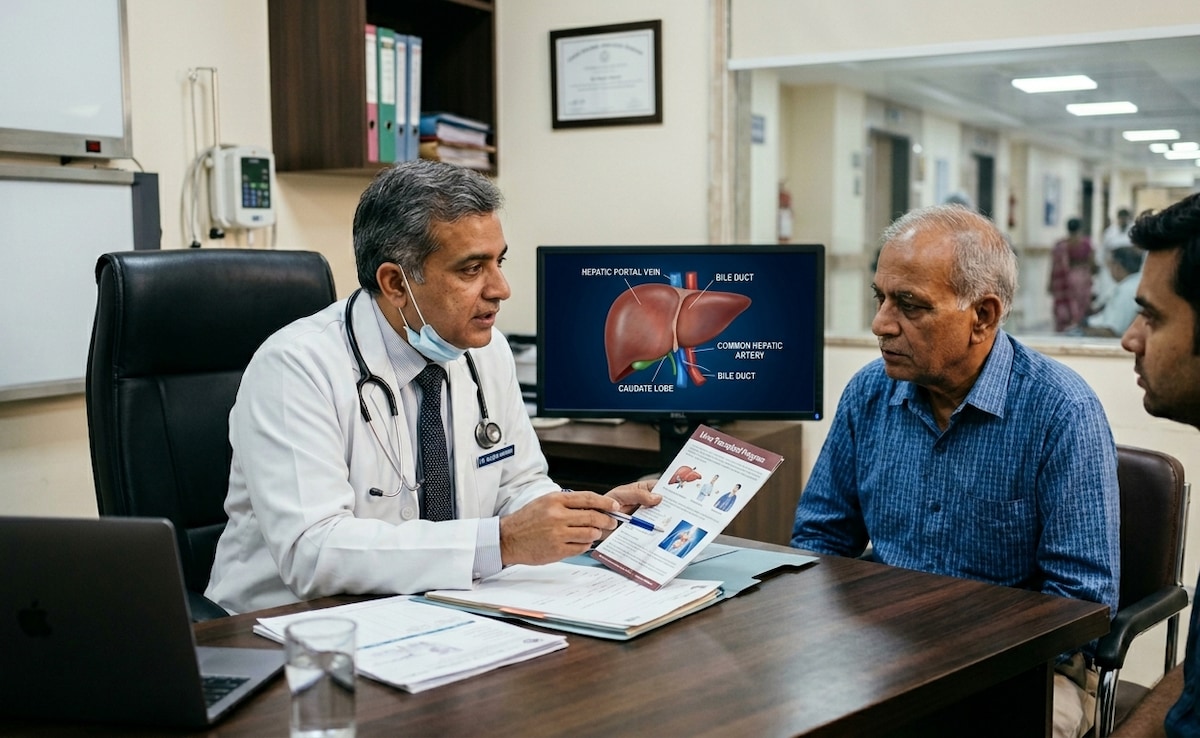
For many years, it was believed that when an individual develops liver scarring, it cannot be reversed. Today, we know that this is not entirely true. Liver fibrosis can be reversed, particularly when diagnosed early and with appropriate interventions. This evolving understanding of liver health has significant implications for millions of individuals worldwide who are at risk of liver diseases.
Liver fibrosis is a condition characterized by the excessive accumulation of extracellular matrix proteins, leading to scarring of the liver. This scarring is generally a response to chronic liver injury, which can be caused by various factors including viral infections (such as hepatitis), alcohol abuse, non-alcoholic fatty liver disease (NAFLD), and autoimmune diseases. The liver, being a resilient organ, has a remarkable ability to heal itself, but persistent damage can lead to more severe conditions such as cirrhosis and liver failure.
Liver fibrosis is typically classified into stages, ranging from mild (stage 1) to severe (stage 4). Understanding these stages is crucial for effective management:
The answer is a resounding yes, particularly in the early stages of fibrosis. Once the underlying causes of liver damage are addressed, the liver has the potential to regenerate and heal. Early intervention is key, and this can involve:
A nutritious diet plays an essential role in liver health. Foods rich in antioxidants, such as fruits and vegetables, can help combat oxidative stress in the liver. Additionally, incorporating healthy fats, lean proteins, and whole grains can contribute to overall liver function. Some studies suggest that certain foods, like coffee and green tea, may have protective effects against liver fibrosis.
Early detection of liver fibrosis is critical for successful treatment. Many individuals may be unaware they have liver damage until it progresses to more severe stages. Regular liver function tests and imaging studies, such as elastography, can help identify fibrosis early on. Individuals at higher risk, including those with a history of alcohol use, viral hepatitis, or obesity, should consider regular screenings.
Research into liver fibrosis is ongoing, with scientists exploring new therapeutic options and potential biomarkers for early detection. Advances in medical technology are paving the way for innovative treatments that may one day provide even more effective solutions for reversing liver damage. Potential gene therapies and novel medications are being investigated, offering hope for those affected by liver diseases.
In conclusion, liver fibrosis is a serious condition that, if caught early, has the potential to be reversed. Understanding the stages of fibrosis, implementing lifestyle changes, and seeking medical advice can significantly impact liver health. As research continues to evolve, the future looks promising for individuals at risk of liver diseases. Taking proactive steps today can lead to a healthier tomorrow, highlighting the importance of awareness and education surrounding liver health.


Loading more news...
You've reached the end of our news feed. Check back later for more updates!