Entertainment
Faridabad News: रामजन्म से लेकर ताड़का वध तक के प्रसंगों का मंचन
October 9, 2026
669 views
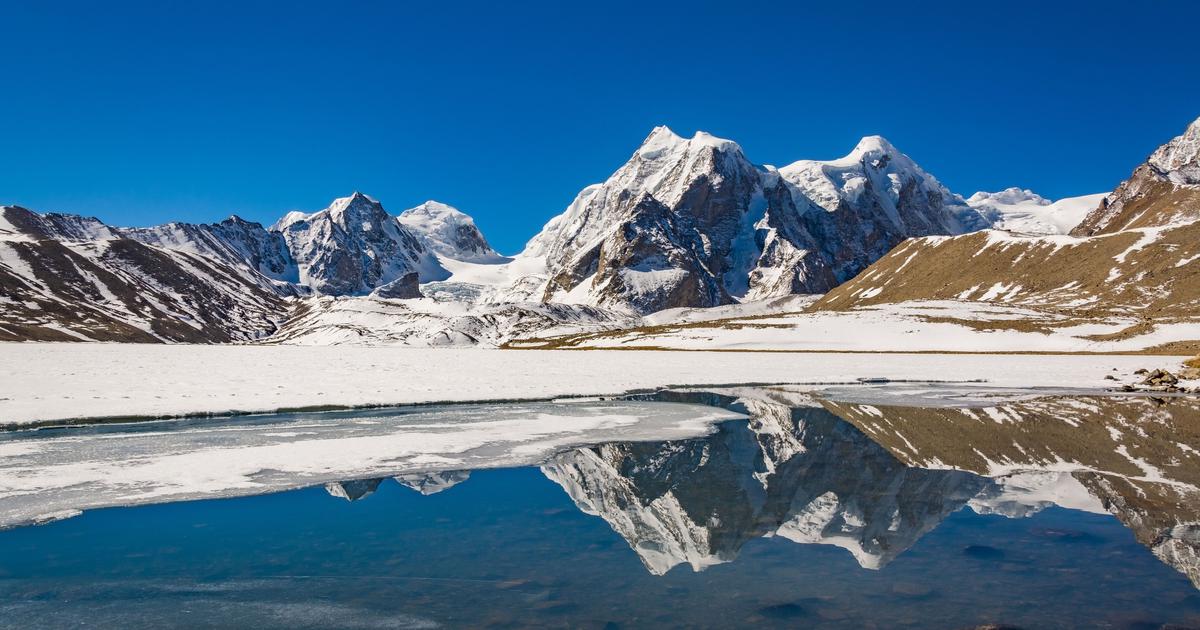
In an age where modern narratives often overshadow traditional tales, ‘Voices in the Wind’ emerges as a profound reminder of the significance of our cultural heritage. Edited by the talented duo of Namita Gokhale and Malashri Lal, this collection of Himalayan folktales encapsulates the essence of human experience—love, pain, punishment, and reward. These stories are not mere relics of the past; they are vibrant threads woven into the fabric of our collective memory, resonating through generations.
Folktales serve as a bridge between generations, conveying lessons and morals that are often lost in the fast-paced modern world. The tales found within ‘Voices in the Wind’ delve into the rich tapestry of Himalayan culture, offering insights into the values of moderation and coexistence. In a region known for its breathtaking landscapes and diverse communities, these stories reflect the harmony that can exist when individuals embrace shared values and mutual respect.
At the heart of many stories is the theme of love, portrayed in its many forms—from familial bonds to romantic connections. These narratives often highlight the trials and tribulations faced by lovers, emphasizing that love is not without its challenges. Pain, too, is a recurring motif, serving as a poignant reminder of the struggles that accompany human relationships. Through these tales, readers are encouraged to appreciate the complexities of love and the strength it takes to endure hardship.
The tales also explore the concepts of punishment and reward, presenting a moral compass that guides the characters' actions. In many instances, the protagonists face dire consequences for their misdeeds, reinforcing the importance of ethical behavior and accountability. Conversely, acts of kindness and bravery are met with rewards, illustrating a universal truth: good deeds often lead to positive outcomes. This delicate balance between punishment and reward serves as a moral framework that resonates with readers of all ages.
Namita Gokhale and Malashri Lal, both esteemed authors and cultural advocates, have meticulously curated this collection to highlight the richness of Himalayan folklore. Their vision extends beyond mere storytelling; they aim to preserve and promote the cultural narratives that hold significant value in a world increasingly driven by technology and globalization. By bringing these tales to the forefront, they encourage readers to reflect on their own lives and the timeless lessons that can be derived from these narratives.
In a time when the world feels more divided than ever, the themes found in ‘Voices in the Wind’ are particularly relevant. The stories advocate for coexistence, urging individuals to recognize and celebrate their differences while finding common ground. The call for moderation echoes throughout the tales, reminding us that extremes can lead to conflict, whereas balance fosters harmony. As readers immerse themselves in these folktales, they are invited to ponder their own lives and the ways in which they can embody these values in their everyday interactions.
As we navigate the complexities of contemporary life, it is essential to hold onto our cultural roots. ‘Voices in the Wind’ serves as a beacon of light, guiding us back to the wisdom of our ancestors. The tales presented in this volume are not just stories; they are a cultural legacy that connects us to our heritage and to one another. By embracing these narratives, we not only honor our past but also enrich our present and future.
In conclusion, ‘Voices in the Wind’ is more than a collection of folktales; it is an invitation to reflect on the values that bind us as human beings. Through the lens of love, pain, punishment, and reward, we are reminded of the importance of moderation and coexistence in our lives. As we turn the pages of this remarkable volume, we embark on a journey that transcends time and space, one that encourages us to cherish our shared humanity and the stories that shape our collective identity.


Loading more news...
You've reached the end of our news feed. Check back later for more updates!