Politics
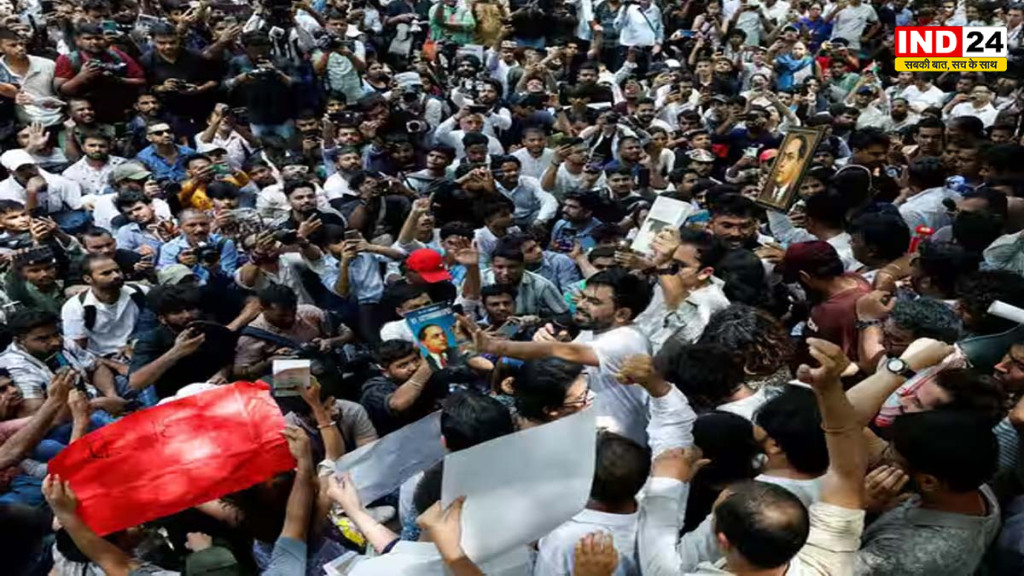
धरना-प्रदर्शनों का नया कारोबार: लोकतंत्र की आड़ में आखिर किसके हित साधे जा रहे हैं?
October 10, 2026
1,612 views

In a dramatic turn of events, the U.S. House of Representatives has found itself embroiled in a contentious political battle as Republicans have successfully blocked a Democratic proposal aimed at halting military attacks on Iran. This blockade is not merely a procedural setback; it symbolizes the deepening divisions within Congress regarding the extent of military powers held by the President, particularly under the Trump administration. As tensions escalate in the Middle East, with President Trump's inflammatory rhetoric toward Iran, Democrats are increasingly vocal about reigniting discussions on impeachment. They argue that Trump's actions may constitute high crimes and misdemeanors, particularly as these military maneuvers contribute to rising consumer prices at home.
The Republican blockade of the Democratic proposal reflects a broader strategy to maintain a hardline stance on national security issues. By preventing a vote on measures intended to limit the President's military authority, Republicans are signaling their allegiance to Trump's aggressive foreign policy. This tactic, however, has not gone unnoticed by the Democrats, who view it as a direct challenge to congressional oversight of military actions. The significance of this blockade extends beyond party lines; it raises fundamental questions about the balance of power between the executive and legislative branches of government. Military officials have indicated that U.S. forces are on high alert for potential conflict, a situation exacerbated by Trump's recent declarations that suggest a willingness to escalate military involvement in Iran.
The renewed discussions surrounding impeachment are fueled not only by concerns over military overreach but also by the economic implications of ongoing geopolitical tensions. As consumer prices soar, linked to the volatility of international markets affected by military actions and sanctions, Democrats argue that President Trump's decisions are directly impacting the financial well-being of American families. This connection between war policies and domestic economic challenges is a crucial aspect of the Democrats' argument for impeachment. They contend that Trump's threats and military engagements could be classified as abuses of power, warranting serious consideration of impeachment as a means to restore checks and balances in government.
The link between foreign policy and domestic economics cannot be overstated. As the conflict with Iran escalates, so too do the prices of essential goods, leading to increased frustration among American consumers. Democrats are capitalizing on this frustration, positioning themselves as advocates for the average citizen against what they perceive as reckless and unchecked presidential power. They argue that the President's military strategies are not only destabilizing for international relations but also detrimental to the economic stability of the nation. The rising cost of living, coupled with the fear of potential military conflict, creates a fertile ground for Democrats to build their case for impeachment, framing it as a necessary step to protect American interests both abroad and at home.
At the heart of the impeachment discussions lies a complex web of constitutional concerns. The framers of the Constitution envisioned a system of checks and balances that would prevent any one branch of government from wielding excessive power. The current situation raises critical questions about the interpretation of war powers, especially in an era where military engagements can escalate rapidly. Democrats are advocating for a reassertion of congressional authority over military actions, arguing that Trump's unilateral decisions undermine this foundational principle. As the House navigates these turbulent waters, it becomes increasingly clear that the outcome of this political standoff will have lasting implications for the future of American governance and the role of the presidency.
As the U.S. continues to grapple with these pressing issues, the path forward remains uncertain. The Republican blockade signifies a commitment to maintaining the status quo, while Democrats are determined to leverage the current situation to challenge the President's authority. The intersection of military power, impeachment discussions, and domestic economic concerns presents a formidable challenge for lawmakers on both sides of the aisle. Moving forward, it is crucial for Congress to engage in meaningful dialogue about the implications of U.S. foreign policy decisions and their impact on American citizens. The stakes are high, and the decisions made in the coming weeks and months will shape the landscape of American politics for years to come.

Loading more news...
You've reached the end of our news feed. Check back later for more updates!