
Politics
स्थानीय निकाय चुनाव में जनसेना को पर्याप्त प्रतिनिधित्व मिले: पवन कल्याण
October 11, 2026
2,667 views
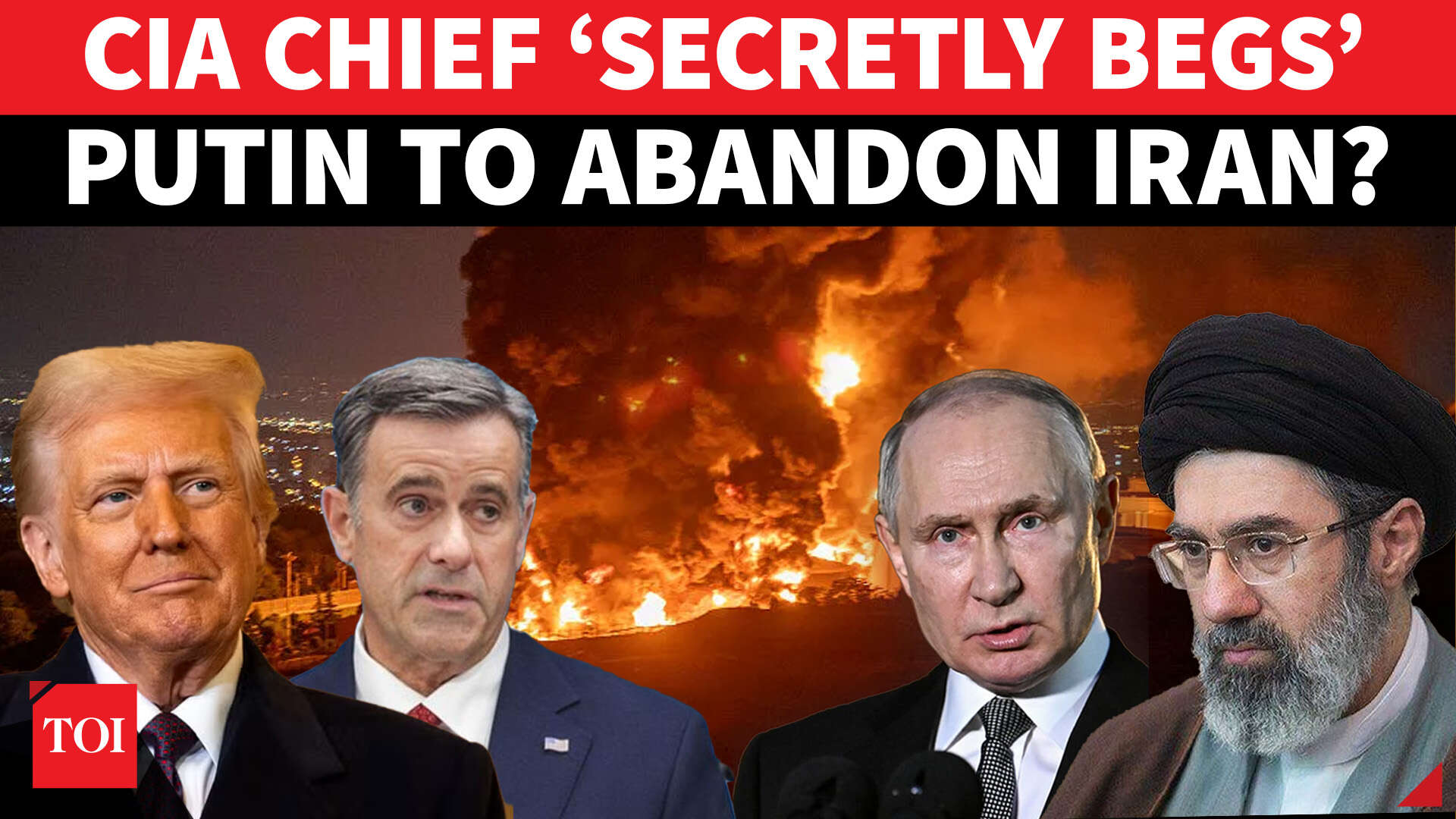
In a significant development on the geopolitical stage, CIA Director John Ratcliffe's covert visit to Moscow has raised eyebrows and sparked discussions among analysts and policymakers alike. As tensions escalate in the Middle East due to the ongoing conflict involving Iran, this unexpected diplomatic maneuver suggests that Washington is actively seeking to alter the dynamics of its relationships with both Russia and Iran. The backdrop of this mission is the ongoing impasse in Donald Trump's approach to Iran, which has presented various challenges for U.S. foreign policy.
Ratcliffe's trip to Moscow is believed to be part of a broader strategy by the United States to recalibrate its foreign policy amidst a backdrop of increasing military aggressiveness from Iran. The U.S. has been grappling with Iran's expanding influence in the region, particularly through its support for militant groups and its nuclear ambitions. By engaging Russia, a key ally of Iran, Washington may be attempting to isolate Tehran further and mitigate the threats posed by its actions.
Analysts speculate that the U.S. may be hoping to leverage its diplomatic overtures to Russia to persuade President Vladimir Putin to reconsider his support for Iran. However, this strategy is fraught with complexities. Russia has its own interests in maintaining a strong relationship with Tehran, particularly in the context of regional stability in the Middle East. Any attempt by the U.S. to extract concessions from Russia regarding its support for Iran would likely come with demands of its own, potentially involving sanctions relief or concessions related to the ongoing conflict in Ukraine.
The implications of Ratcliffe’s mission extend beyond the immediate U.S.-Russia-Iran triangle. If the U.S. successfully persuades Russia to reduce its support for Iran, it could significantly alter the balance of power in the Middle East. This shift might embolden U.S. allies in the region, particularly Israel and Saudi Arabia, who view Iran as a primary threat to their security. Conversely, a stronger alignment between Russia and Iran could complicate U.S. efforts to address other pressing issues, such as the ongoing conflict in Syria and the threat posed by ISIS.
As the U.S. engages in this delicate balancing act, the stakes involved in U.S.-Russia relations cannot be understated. The relationship has been historically characterized by tension and rivalry, particularly in the wake of Russia's annexation of Crimea and its alleged interference in U.S. elections. Any overtures from the U.S. toward Russia must be carefully calibrated to avoid exacerbating these existing tensions. Moreover, the possibility that Russia might demand concessions on Ukraine adds another layer of complexity to the negotiations.
Ratcliffe's secretive mission to Moscow may mark a pivotal moment in U.S. foreign policy, hinting at a potential shift in how the U.S. approaches its adversaries. By seeking to fracture the alliance between Russia and Iran, Washington could be positioning itself to gain a strategic advantage in the region. However, the path ahead is fraught with challenges and uncertainties, as both Russia and Iran are likely to respond strategically to U.S. overtures. The coming weeks and months will be critical in determining whether this diplomatic initiative will bear fruit or lead to further complications in an already volatile geopolitical landscape.


Loading more news...
You've reached the end of our news feed. Check back later for more updates!