
Politics
धरना-प्रदर्शनों का नया कारोबार: लोकतंत्र की आड़ में आखिर किसके हित साधे जा रहे हैं?
October 10, 2026
1,612 views
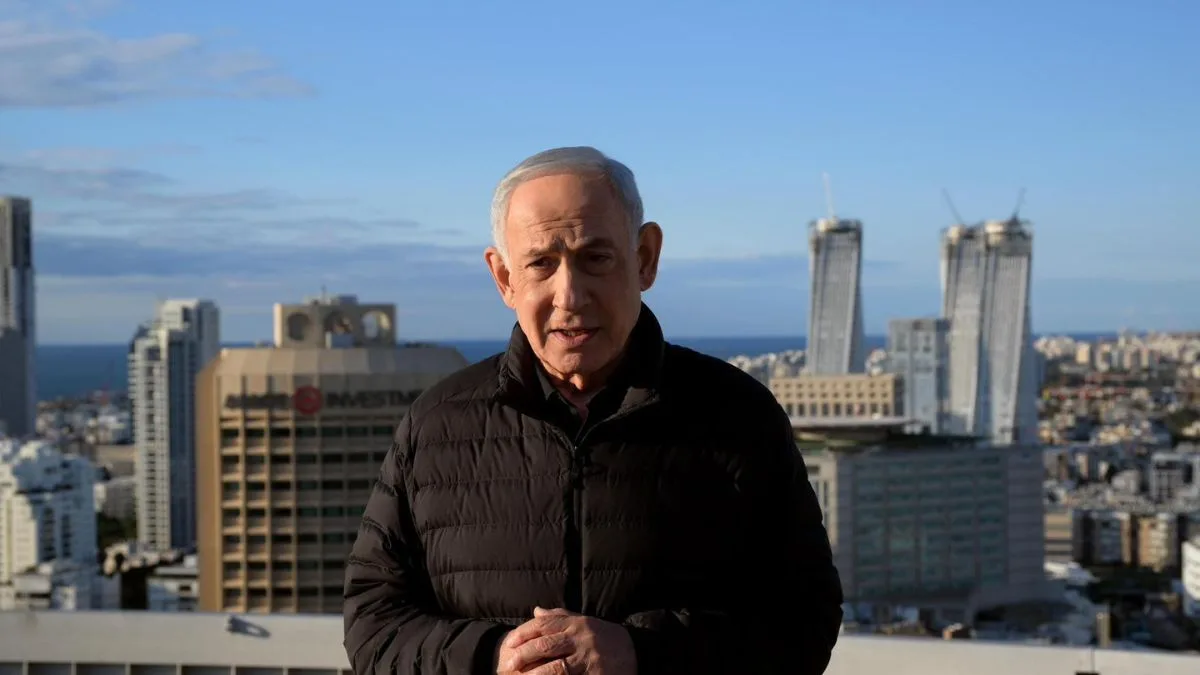
In a significant development in international relations, Israeli Prime Minister Benjamin Netanyahu has emphasized the necessity for the United States to ensure that any deal with Iran includes stringent measures for the removal of enriched nuclear materials and limitations on Tehran's missile capabilities. This statement follows a recent phone call between Netanyahu and former President Donald Trump, where they discussed the potential implications of ongoing US-Iran talks, particularly in the context of regional security in the Middle East.
The relationship between the US and Iran has been fraught with tension for decades, characterized by a series of conflicts, sanctions, and negotiations. The most notable agreement was the Joint Comprehensive Plan of Action (JCPOA) signed in 2015, which aimed to limit Iran's nuclear program in exchange for relief from economic sanctions. However, the US withdrawal from the agreement in 2018 under Trump’s administration significantly escalated tensions, leading Iran to resume its nuclear activities.
During the call with Trump, Netanyahu expressed his concerns regarding the potential ramifications of a renewed agreement between the US and Iran. He asserted that any deal must include the complete dismantlement of Iran's enriched nuclear materials and impose strict curbs on missile development, which has been a point of contention among Israel and its allies. Netanyahu warned that allowing Iran to maintain its nuclear capabilities or advance its missile technology poses a direct threat not only to Israel but also to the stability of the entire region.
Netanyahu highlighted that Iran's ballistic missile program is a critical issue that needs to be addressed in any future negotiations. The development of long-range missiles by Iran has raised alarms in Israel, as these weapons could potentially reach Israeli territory and threaten the safety of its citizens. By insisting on missile curbs, Netanyahu aims to ensure that any agreement does not merely postpone nuclear threats but actively works towards limiting Iran's military capabilities.
The Strait of Hormuz, a vital waterway through which a significant portion of the world’s oil supply passes, remains a focal point of geopolitical tensions. Iran's influence over this strategic passage has raised concerns among Western nations, particularly the US and its allies in the region. As US-Iran talks progress, Netanyahu's emphasis on a comprehensive approach to the negotiations underscores the potential consequences for global energy supply and maritime security.
Israel is not alone in its apprehensions regarding Iran's nuclear ambitions. Many Gulf states share similar concerns, fearing that a less restrictive deal could embolden Iran's aggressive posture in the region. Countries such as Saudi Arabia and the United Arab Emirates have been vocal about their need for assurances that Iran's nuclear program will not lead to a nuclear arms race in the Middle East. The collaboration among these nations could play a crucial role in shaping the US’s negotiating strategies.
As discussions continue, the Biden administration faces the complex task of balancing diplomatic engagement with the need to uphold regional security. The recent call between Netanyahu and Trump serves as a reminder of the influence of domestic politics on foreign policy, particularly as both leaders navigate their respective positions amidst changing political landscapes. The outcome of these negotiations will likely have lasting implications not only for US-Iran relations but also for the broader dynamics of the Middle East.
In summary, Netanyahu's call for stringent measures regarding enriched nuclear materials and missile curbs represents a pivotal moment in the ongoing discourse surrounding US-Iran negotiations. The insistence on these conditions reflects the broader concerns about regional security and the potential repercussions of a nuclear-capable Iran. As the international community watches closely, the next steps taken by the US will be critical in shaping the future of peace and stability in the Middle East.

Loading more news...
You've reached the end of our news feed. Check back later for more updates!