Science
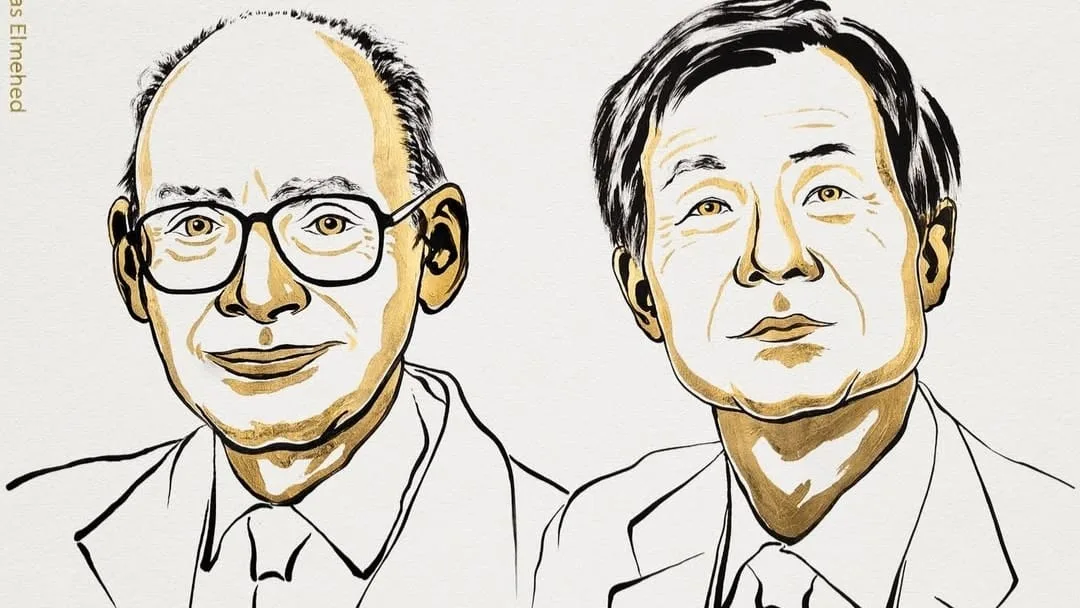
Henri Kagan wins Nobel Prize at 95: Check out his contributions to chemistry and pharmacy
October 9, 2026
2,834 views
In a significant initiative to promote the Urdu language and enhance research capabilities, a workshop was held at the prestigious TU (Technical University) recently. The workshop aimed at providing participants with the tools and knowledge necessary to conduct quality research in Urdu, while also emphasizing the importance of incorporating modern technology into traditional practices. The event attracted a diverse group of students, linguists, and faculty members, all eager to explore new methodologies and enhance their understanding of Urdu research.
During the inaugural address of the workshop, the Vice-Chancellor of TU highlighted the critical role of quality research in today's fast-paced world. He stated, "In an era defined by rapid advancements in technology and globalization, it is imperative for researchers to not only focus on traditional methodologies but also to embrace modern tools that can enhance their work." This statement set the tone for the workshop, emphasizing the need for a balanced approach that respects the rich heritage of the Urdu language while adapting to contemporary research demands.
The Vice-Chancellor further elaborated on the integration of technology in research, mentioning various digital tools and software that can aid in data collection, analysis, and presentation. “By utilizing technology, we can expand the horizons of Urdu research, making it more accessible and relevant to today's audience,” he added. Participants were encouraged to think critically about how they could incorporate these technological advancements into their research projects, thereby enhancing the depth and reach of their findings.
The workshop included a series of interactive sessions, hands-on activities, and discussions led by experts in the field of Urdu literature and linguistics. Participants were divided into groups to work on various aspects of research, including data collection techniques, literature review, and presentation skills. This collaborative approach fostered an environment of learning and innovation, allowing participants to share their ideas and experiences while learning from one another.
One of the standout sessions was a panel discussion featuring renowned scholars who shared their insights on the challenges and opportunities in Urdu research today. They spoke about the importance of maintaining the essence of the Urdu language while adapting to new research paradigms. The scholars emphasized that while technology can enhance research, it is crucial to remain grounded in the linguistic and cultural nuances that define Urdu.
As the workshop came to a close, participants were left with a renewed sense of purpose and direction for their research endeavors. The Vice-Chancellor concluded the event by reiterating the university's commitment to fostering an environment where Urdu research can thrive. “We aim to create a hub for Urdu scholarship that not only preserves our linguistic heritage but also propels it into the future through innovation and technology,” he said, inspiring attendees to take the knowledge gained from the workshop and apply it to their future research.
The Urdu workshop at TU was more than just an academic event; it was a celebration of the Urdu language and a call to action for researchers to embrace change. By integrating modern technology with traditional research practices, participants learned how to enhance their work and contribute to the growing field of Urdu studies. As the university continues to champion quality research, it sets a precedent for educational institutions across the region to follow suit, ensuring that the Urdu language not only survives but thrives in the contemporary academic landscape.
In conclusion, the workshop successfully highlighted the importance of adapting to the changing dynamics of research while staying true to the rich cultural heritage of Urdu. The feedback from participants has been overwhelmingly positive, indicating a strong desire for more such workshops in the future. As TU moves forward, it is poised to become a leader in Urdu research, paving the way for future scholars to explore and innovate within this vital linguistic tradition.


Loading more news...
You've reached the end of our news feed. Check back later for more updates!