Politics
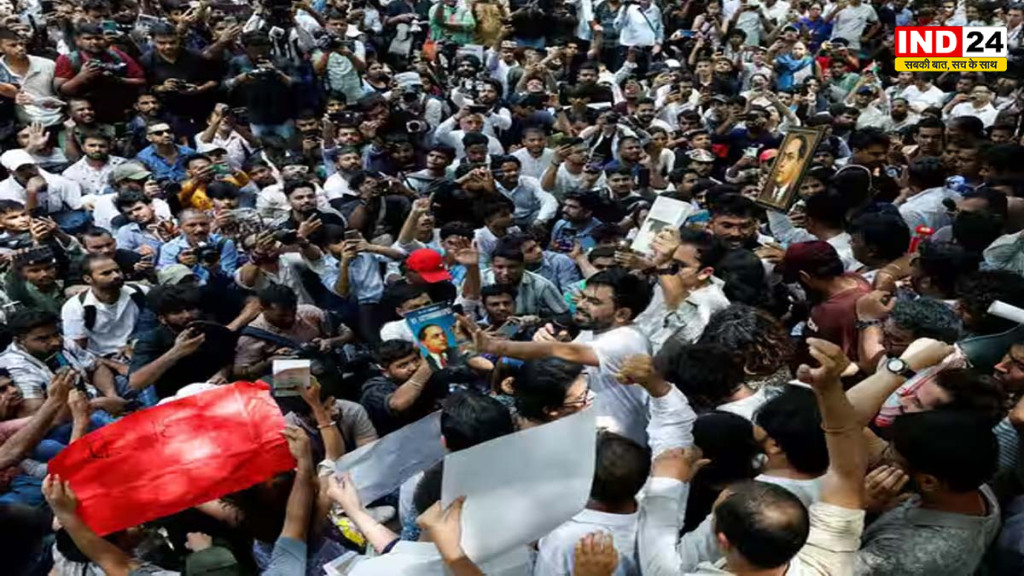
धरना-प्रदर्शनों का नया कारोबार: लोकतंत्र की आड़ में आखिर किसके हित साधे जा रहे हैं?
October 10, 2026
1,612 views

Uttar Pradesh, a state in northern India known for its rich cultural heritage and diverse population, is taking a significant step towards inclusivity by planning to include non-Muslims, Muslim women, and Pasmanda Muslims in its newly formed Sunni Waqf Board. This move is seen as an effort to promote social harmony and ensure that all segments of the Muslim community, including marginalized groups, have a voice in the management of waqf properties.
The Sunni Waqf Board is a governing body responsible for managing properties donated for religious or charitable purposes in the Muslim community. Traditionally, these boards have consisted mainly of individuals from the dominant sects within the Muslim community. However, the new initiative in Uttar Pradesh aims to broaden the representation within the board, allowing for a more equitable distribution of power and resources.
Pasmanda Muslims, often referred to as the "backward" or "marginalized" Muslims, have long faced social and economic challenges. The term 'Pasmanda' translates to 'those who have fallen behind,' and it encapsulates a group that has historically been underrepresented in both socio-economic and political spheres. By including representatives from this community on the Sunni Waqf Board, the government is acknowledging their struggles and aims to empower them.
Another groundbreaking aspect of the new Sunni Waqf Board is the inclusion of Muslim women. Historically, women have been underrepresented in decision-making roles within religious and community organizations. This initiative seeks to challenge that status quo by empowering women to take on leadership roles in the management of waqf properties.
The announcement has sparked a variety of reactions from different segments of society. Many community leaders and activists have lauded the decision as a progressive step towards inclusivity and representation. They believe that this initiative could serve as a model for other states in India grappling with similar issues of representation and community cohesion.
As Uttar Pradesh moves forward with its plan to include non-Muslims, Muslim women, and Pasmanda Muslims in the Sunni Waqf Board, it stands at a crossroads of opportunity and challenge. This initiative has the potential to reshape the landscape of community governance, promote social equity, and strengthen interfaith relations. However, its success will depend on the commitment of all stakeholders to ensure that the voices of marginalized groups are not only heard but also acted upon.


Loading more news...
You've reached the end of our news feed. Check back later for more updates!