
Politics
Bihar: Over 50 held in protest against Mata Sita women’s university
October 10, 2026
1,707 views
Unified BRICS position on West Asia remains elusive; India engaged to find consensus
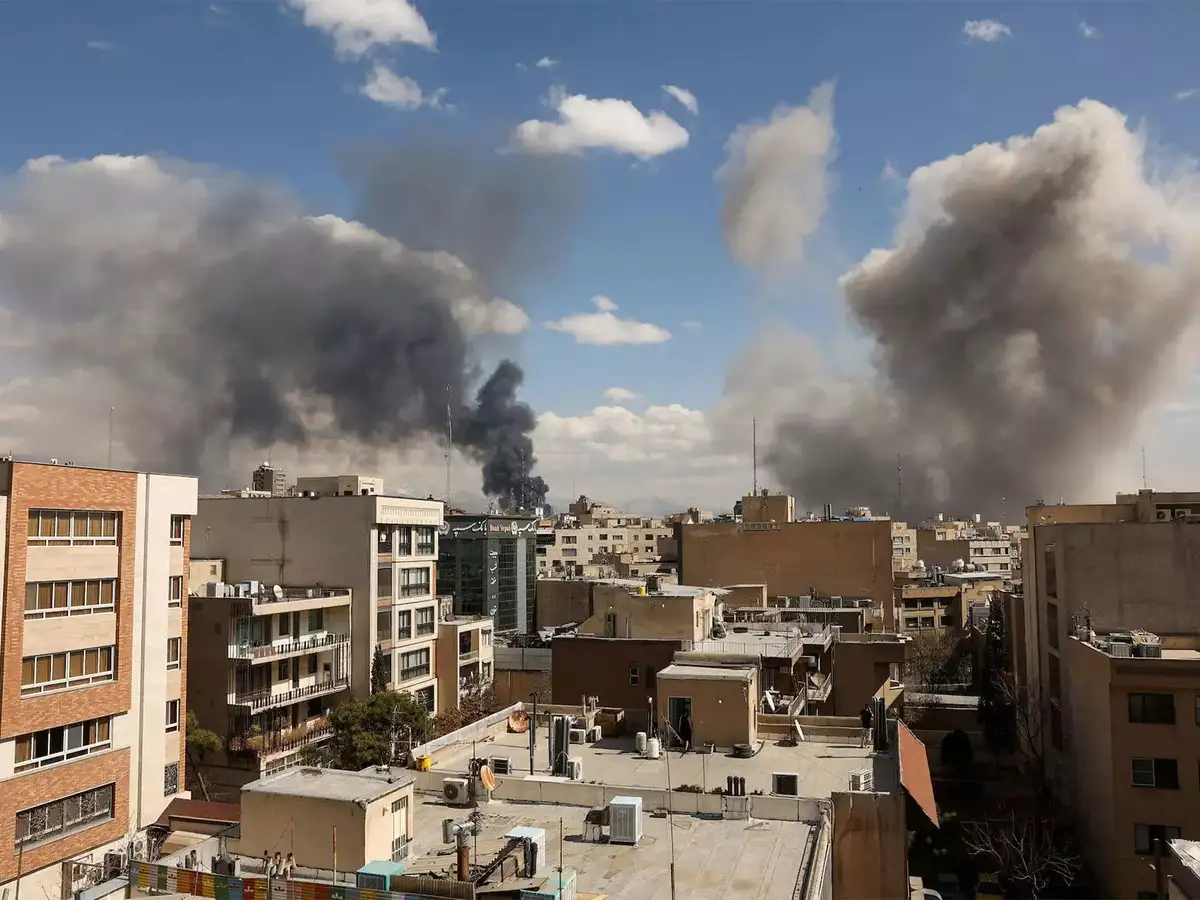
In a recent statement that has sparked significant discussion, Randhir Jaiswal, the Spokesperson for the Ministry of External Affairs (MEA) of India, addressed the challenges facing the BRICS nations in achieving a unified approach amidst ongoing global tensions. Although he refrained from naming specific countries, his remarks indicated that certain members of the BRICS coalition are directly involved in conflicts that hinder the group's overall cohesion and diplomatic efforts.
BRICS, an acronym for Brazil, Russia, India, China, and South Africa, represents a coalition of emerging economies that together account for a significant portion of the world’s population and economic output. The alliance was formed to foster cooperation in various sectors, including trade, investment, and political dialogue. However, the recent geopolitical landscape has introduced complexities that threaten the principles of solidarity and mutual support that BRICS was built upon.
Jaiswal's comments underscore a growing concern within the coalition regarding its members’ involvement in regional disputes. While the spokesperson did not specify which countries were implicated, the mere mention of "direct involvement" raises eyebrows about the internal dynamics of BRICS. Each country within the coalition has its own national interests and foreign policy objectives, which may sometimes conflict with one another, leading to a fragmented approach in addressing global issues.
The internal conflicts among BRICS members present a significant challenge in formulating a cohesive foreign policy. With divergent interests and alliances, the grouping struggles to present a united front on critical global issues such as climate change, economic stability, and security. Jaiswal’s remarks highlight the urgent need for dialogue and negotiation among BRICS member states to mitigate these conflicts and restore a sense of unity.
Recent events have further complicated the situation. For instance, tensions between Russia and Western nations, particularly due to the ongoing situation in Ukraine, have created a rift within BRICS. Some member countries have aligned themselves with Western powers, while others maintain steadfast support for Russia. This discord has led to a lack of consensus on various international platforms, diminishing BRICS’s influence in global politics.
To overcome these challenges, BRICS must prioritize open communication and understanding among its members. Establishing a platform for regular consultations can help address grievances and foster a spirit of cooperation. Additionally, focusing on shared goals—such as economic growth and sustainable development—can provide a common ground for collaboration despite individual differences.
Effective leadership is crucial for navigating the complexities of BRICS relations. The leadership of member countries must work together to build trust and facilitate dialogue. For instance, the upcoming BRICS summit presents an opportunity for leaders to address these internal issues head-on, reaffirm their commitment to the group's foundational principles, and develop strategies to enhance cooperation.
As the BRICS grouping grapples with the implications of its members’ conflicting interests, Randhir Jaiswal’s comments serve as a poignant reminder of the importance of unity in addressing global challenges. The coalition must reflect on its objectives and the mechanisms that can foster collaboration among its diverse members. Only through concerted efforts can BRICS hope to navigate the turbulent waters of international relations and emerge as a formidable force in the global arena.


Loading more news...
You've reached the end of our news feed. Check back later for more updates!