
Business
Invetech & MeMed win 2026 Good Design Award Gold for MeMed Key™
October 9, 2026
2,539 views
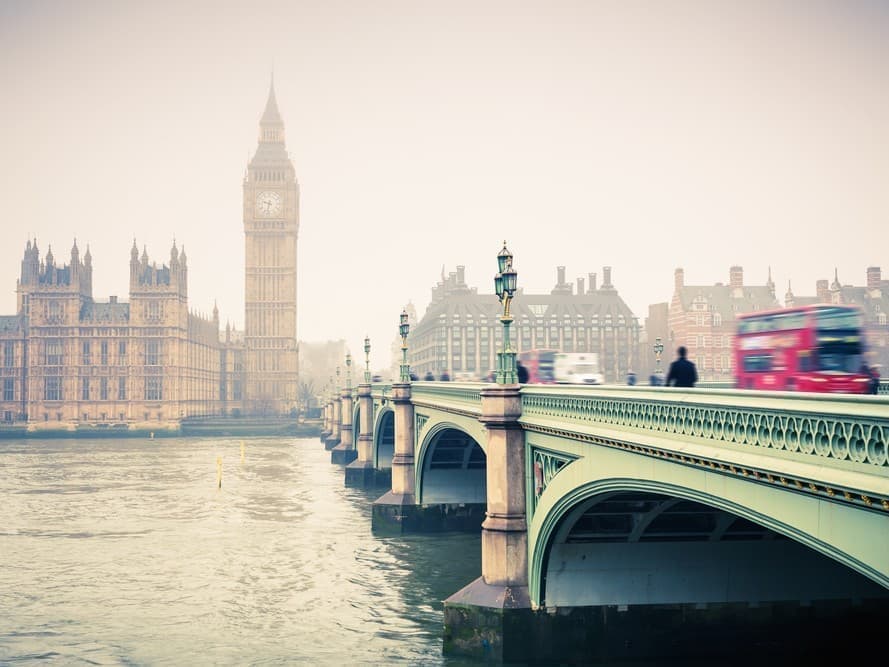
British voters are expressing increasing frustration with the current economic climate, calling for lower taxes and reduced energy costs as a means to stimulate growth. A recent poll conducted by Freshwater Strategy for the Institute of Economic Affairs (IEA), a prominent free market think tank, has revealed that a significant majority of the electorate perceives the UK economy as being in a poor state. This sentiment is driving the public's demand for more proactive measures from the government, particularly from the Labour Party, led by Rachel Reeves.
The polling data indicates a clear preference among voters for the Labour government to prioritize economic growth over other political agendas. In the wake of rising living costs and inflationary pressures, many citizens believe that the government's current focus is insufficient. The results of the poll show that a substantial number of respondents feel that the government's policies are not adequately addressing the pressing economic challenges that families and businesses are facing.
One of the primary concerns highlighted by the voters is the burden of taxation. Many respondents believe that lower taxes would not only alleviate financial strain on households but also encourage spending and investment, thereby bolstering the economy. Similarly, with energy prices soaring due to various global factors, voters are calling for immediate action to reduce energy bills. The high costs associated with energy are further exacerbating the cost of living crisis, leading to calls for reforms that would help stabilize prices.
In light of these findings, Rachel Reeves and the Labour leadership may feel pressured to respond effectively to the electorate's demands. The Labour Party's core mission is to foster economic growth, and this polling data aligns with their objectives. However, the party faces the challenge of translating public sentiment into actionable policies that can be implemented in a timely manner. To regain public confidence, Reeves may need to outline a clear roadmap that details how the government plans to tackle these economic issues, particularly in relation to taxes and energy costs.
Experts argue that the government's role in shaping economic policy is crucial for recovery. By focusing on business-friendly policies, such as tax reliefs and incentives for energy efficiency, the government can create an environment conducive to growth. Additionally, addressing energy costs through subsidies or regulatory reforms could provide immediate relief to consumers and businesses alike. As the public continues to voice their concerns, it is imperative for policymakers to engage in open dialogues with constituents to understand their needs and expectations.
As economic concerns mount, British voters are unambiguously calling for lower taxes and reduced energy bills. The findings from the recent poll underscore the urgency for the Labour government to adapt its strategies to meet the expectations of the electorate. With a focus on economic growth and a commitment to addressing the financial challenges faced by everyday citizens, Rachel Reeves has an opportunity to not only fulfill the party's mission but also to unite the country in a common goal of recovery and prosperity.


Loading more news...
You've reached the end of our news feed. Check back later for more updates!