
Business
Invetech & MeMed win 2026 Good Design Award Gold for MeMed Key™
October 9, 2026
2,539 views
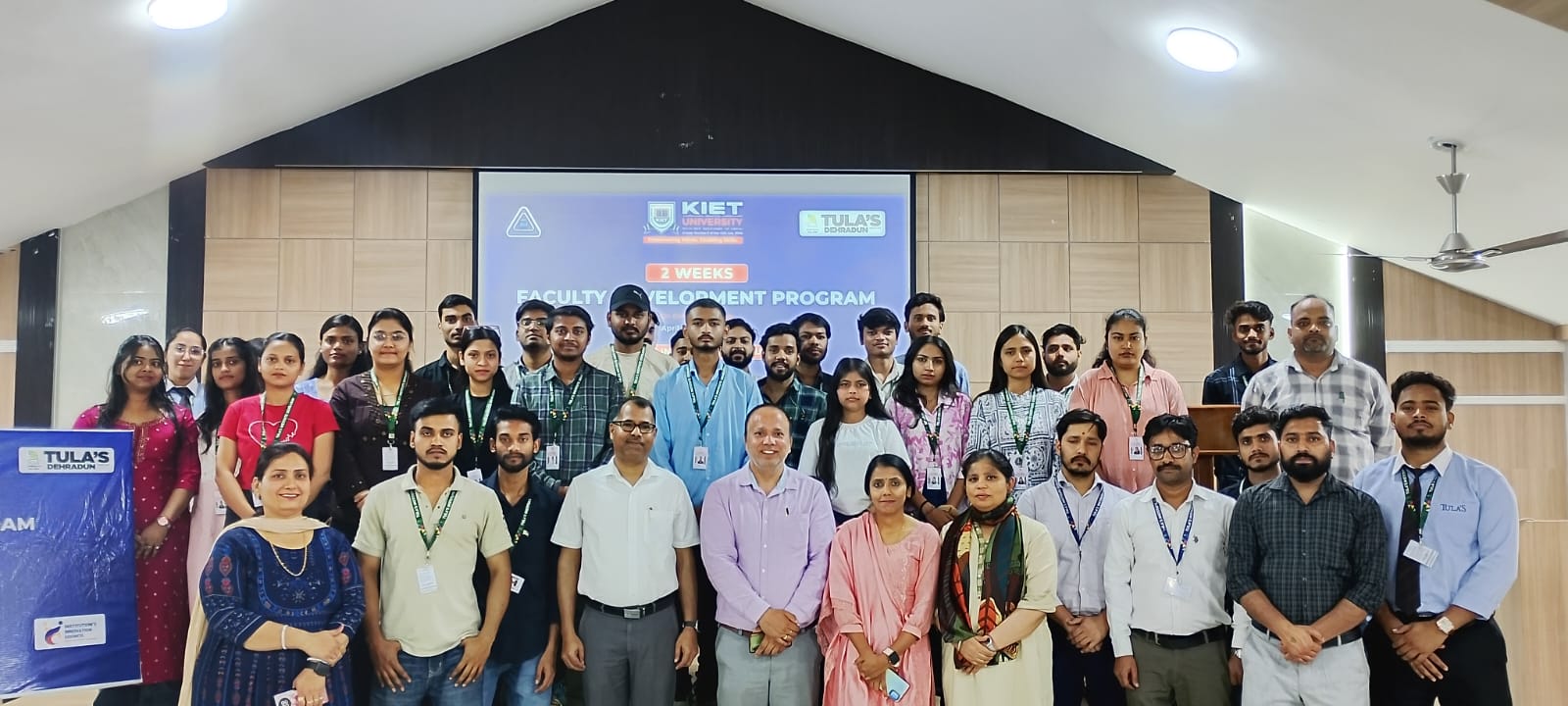
Tula’s Institute, situated in the scenic city of Dehradun, has recently wrapped up a comprehensive 15-day Faculty Development Program (FDP) focused on the essential theme of Entrepreneurship. This initiative was made possible through a collaborative effort with TBI-KIET and received sponsorship from the Technology Translation and Innovation (TTI) Division of the Department of Science and Technology, Government of India. The program took place on the picturesque campus of Tula’s Institute, fostering an environment that encourages innovation and practical learning.
The primary objective of this FDP was to equip faculty members with the necessary skills and knowledge to effectively teach and mentor students in the field of entrepreneurship. With the ever-evolving landscape of technology and business, it is crucial for educators to stay updated with the latest trends and methodologies. The program aimed to enhance faculty understanding of entrepreneurial principles, innovative thinking, and practical application in real-world scenarios.
The 15-day program was meticulously structured to cover a wide range of topics related to entrepreneurship. Each day featured interactive sessions, workshops, and guest lectures from esteemed industry experts and successful entrepreneurs. Participants engaged in hands-on activities that encouraged them to think critically and creatively. The curriculum included modules on business model development, startup financing, market research, and intellectual property rights, among others. Additionally, case studies of successful startups were analyzed to provide practical insights into the challenges and triumphs faced by entrepreneurs.
The outcomes of the FDP extend beyond just the faculty members involved. By enhancing the teaching capabilities of educators, students will ultimately benefit from a richer learning environment. Faculty members are now better prepared to guide students through the entrepreneurial process, instilling a sense of innovation and creativity in the classroom. The program also encouraged faculty to foster an entrepreneurial mindset among students, promoting self-employment and a proactive approach to career development.
The collaboration with TBI-KIET has been instrumental in the success of this program. TBI-KIET, or the Technology Business Incubator at Krishna Institute of Engineering and Technology, has a proven track record of supporting startups and fostering innovation. This partnership provided the participants with access to a wealth of resources, including mentorship, networking opportunities, and insights into the entrepreneurial ecosystem. Such collaborations are vital in bridging the gap between academia and industry, ensuring that faculty members are well-versed in the realities of entrepreneurship.
The sponsorship from the Technology Translation and Innovation (TTI) Division underscores the Government of India's commitment to promoting entrepreneurship and innovation in educational institutions. By investing in faculty development, the government aims to create a robust ecosystem that nurtures future entrepreneurs. This initiative aligns with national priorities to boost economic growth through innovation and self-employment.
Following the success of this FDP, Tula’s Institute plans to launch more programs aimed at enhancing faculty expertise in various fields. The institute recognizes the importance of continuous learning and adaptation in today’s fast-paced world. Future initiatives may include specialized workshops, online courses, and collaborative projects with industry leaders to further strengthen the skill sets of educators.
The 15-day Faculty Development Program on Entrepreneurship at Tula’s Institute marks a significant step toward empowering educators and fostering an entrepreneurial spirit among students. By investing in faculty development, the institute not only enhances the quality of education but also contributes to the broader goal of creating a dynamic and innovative workforce. As the landscape of education continues to evolve, programs like these are essential in preparing both educators and students for the challenges and opportunities of the future.
In conclusion, Tula’s Institute is poised to play a pivotal role in shaping the next generation of entrepreneurs, ensuring they are equipped with the knowledge and skills necessary to thrive in an increasingly competitive environment.


Loading more news...
You've reached the end of our news feed. Check back later for more updates!