
Politics
Christa Pike’s ‘Bizarre’ HEAVEN Discussion Before Execution Revealed By Closest Friend | WATCH
October 11, 2026
3,435 views
Trump calls for allies to help secure Strait of Hormuz as Iran vows to step up retaliation
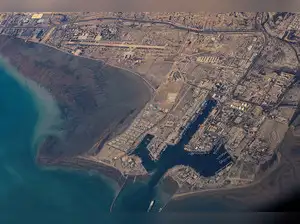
In a rapidly evolving geopolitical landscape, Iran has issued stern warnings regarding potential regional escalation in response to recent U.S. airstrikes. These developments have intensified fears of conflict in the Middle East, particularly around the crucial shipping lanes of the Strait of Hormuz. As President Trump calls upon allies to mobilize naval forces to secure this vital waterway, both Tehran and Washington seem increasingly entrenched in their positions, casting doubt on the prospects for a diplomatic resolution. The ongoing tensions have significant implications for global oil supply and regional stability.
The backdrop of these escalating tensions can be traced back to a series of U.S. airstrikes targeting Iranian interests and allied groups in the region. These military actions, justified by the U.S. as necessary for national security, have been met with vehement condemnation from Iran. Tehran has threatened to retaliate against U.S. forces and allies, warning that further strikes will lead to "unpredictable consequences." The Iranian leadership has made it clear that they will not accept a ceasefire until all U.S. and Israeli military actions in the region cease, which they view as acts of aggression.
In the face of these threats, President Trump has taken a proactive stance, urging U.S. allies to deploy warships to the Strait of Hormuz, a critical chokepoint for global oil shipments. This call for naval support underscores the strategic significance of the Strait, through which approximately 20% of the world's oil passes. By reinforcing military presence in the area, the U.S. aims to deter Iranian aggression and ensure the safe passage of vessels.
The ongoing conflict between the U.S. and Iran has already begun to disrupt oil supply chains, leading to fluctuations in global oil prices. With Iran's threats to block the Strait of Hormuz in response to U.S. actions, the stakes are high for global economies that rely heavily on this critical shipping lane. Any disruption in oil flow could lead to significant price hikes, affecting everything from transportation costs to consumer goods.
With both Iran and the U.S. entrenched in their positions, the possibility of a diplomatic resolution seems increasingly remote. Efforts to engage in dialogue have been stymied by mutual distrust and escalating hostilities. The Iranian leadership has made it clear that they view U.S. actions as violations of their sovereignty and are unwilling to negotiate under duress.
The tensions between Iran and the U.S. are not only a bilateral issue but also have profound implications for regional stability in the Middle East. Allies of the U.S., such as Saudi Arabia and Israel, are closely watching the developments, as any escalation could draw them into the conflict. Conversely, Iran's regional allies, including Hezbollah and various militia groups in Iraq and Syria, may also become involved, further complicating the situation.
As tensions escalate between Iran and the United States, the urgent need for restraint and diplomacy has never been clearer. The potential consequences of a military conflict are dire, not only for the nations directly involved but for global peace and security. It is imperative that both sides recognize the value of dialogue and work towards a resolution that avoids further bloodshed and instability.


Loading more news...
You've reached the end of our news feed. Check back later for more updates!