
Business
Invetech & MeMed win 2026 Good Design Award Gold for MeMed Key™
October 9, 2026
2,539 views
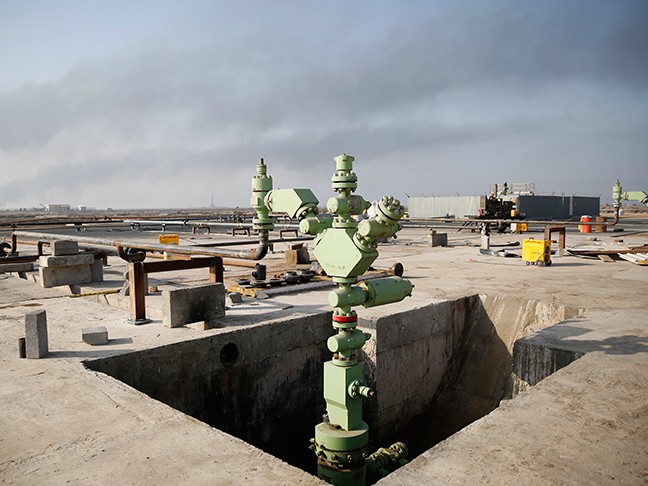
Recent developments in US-Iran relations, particularly the ongoing negotiations and a temporary 60-day sanctions waiver, have led to a renewed discussion about the potential return of Iranian oil to global markets. While traders are optimistic about the possibility of increased supply, many remain cautious, grappling with uncertainties surrounding export levels and the broader implications for the oil market.
The diplomatic discussions between the United States and Iran have been a rollercoaster ride, influenced by geopolitical tensions, economic sanctions, and nuclear negotiations. The recent sanctions waiver has sparked hope among traders that Iran might be able to significantly boost its oil exports, which have been severely restricted over the past several years due to international sanctions. However, traders are questioning the sustainability of this optimism and the actual volume of oil that can realistically return to the market.
Following the announcement of the sanctions waiver, oil prices initially experienced a slight uptick as traders priced in the potential increase in supply. However, this optimism was tempered by underlying concerns about the actual ability of Iran to ramp up production and exports. Analysts note that while the sanctions relief may create an opportunity for Iranian oil to flow back into the market, there are significant logistical and operational challenges that must be overcome.
The potential return of Iranian oil to the market comes at a time when global oil demand is experiencing fluctuations due to various factors, including economic conditions, weather patterns, and geopolitical tensions. The ongoing discussions surrounding Iranian oil exports are further complicated by external factors such as the looming threat of a 'Super' El Niño event.
This meteorological phenomenon, characterized by significantly elevated sea temperatures in the Pacific Ocean, is expected to have far-reaching effects on global agricultural production and commodity prices. As reported, current equatorial temperatures are 1.7C above the 30-year average, and this summer is projected to witness the largest temperature deviation from historical averages since 1981. Such climatic changes can lead to unpredictable weather patterns, impacting oil production and transportation logistics, as well as overall commodity markets.
As traders assess the situation, the future outlook for Iranian oil exports remains uncertain. The ability of Iran to increase production will depend not only on the outcome of US-Iran negotiations but also on global oil demand, geopolitical stability, and environmental factors influenced by climate change.
In the short term, traders are likely to remain cautious, closely monitoring any developments in US-Iran relations and the broader geopolitical environment. The potential for increased Iranian oil exports could provide some relief to tight global supply conditions, but the reality of the situation may be more complex than initially anticipated.
In conclusion, while the potential return of Iranian oil to the market is generating cautious optimism among traders, a multitude of factors will influence the actual outcome. The ongoing US-Iran negotiations, the challenges of ramping up production, and the unpredictable impact of climatic events like Super El Niño all contribute to a complex and uncertain trading environment. As the market evolves, traders will need to remain vigilant, continuously adapting their strategies to navigate the ever-changing landscape of global oil supply and demand.


Loading more news...
You've reached the end of our news feed. Check back later for more updates!